Ever wondered why your brain does the wacky things it does? Like, why you can remember the lyrics to a song from 10 years ago but not what you had for dinner last night? Or how some folks can do mind-blowing math in their heads faster than you can say “calculator”? Welcome to the wild world of the human mind, a place more mysterious than your grandma’s attic and twice as interesting. Let’s take a fun stroll through some of the brain’s most fascinating puzzles, no PhD required!
1 The Human Calculators and Musical Geniuses: Savant Syndrome

Imagine being able to paint like Picasso, play piano like Beethoven, or crunch numbers like a walking, talking supercomputer. That’s a day in the life of someone with savant syndrome. These incredible folks have abilities that could make superheroes jealous, often in music, art, math, or memory. It’s like their brains are wired with a special talent app that’s on 24/7. Scientists are still scratching their heads trying to figure out how it all works, but one thing’s for sure: the human brain has some pretty epic hidden talents.
2 “I’ve Seen This Before!”: The Mystery of Déjà Vu

Ever had that spooky feeling that you’ve lived through a moment before? That’s déjà vu, French for “already seen,” and it’s as mysterious as it is common. It’s like your brain is playing a prank on you, making you think you’re psychic for a second. Scientists have a few guesses about why it happens, like maybe it’s a tiny glitch in how we process memories, but nobody knows for sure. It’s one of those brain teasers that keeps us guessing and makes life a little more interesting.
3 The Nighttime Brain Adventures: Dreams
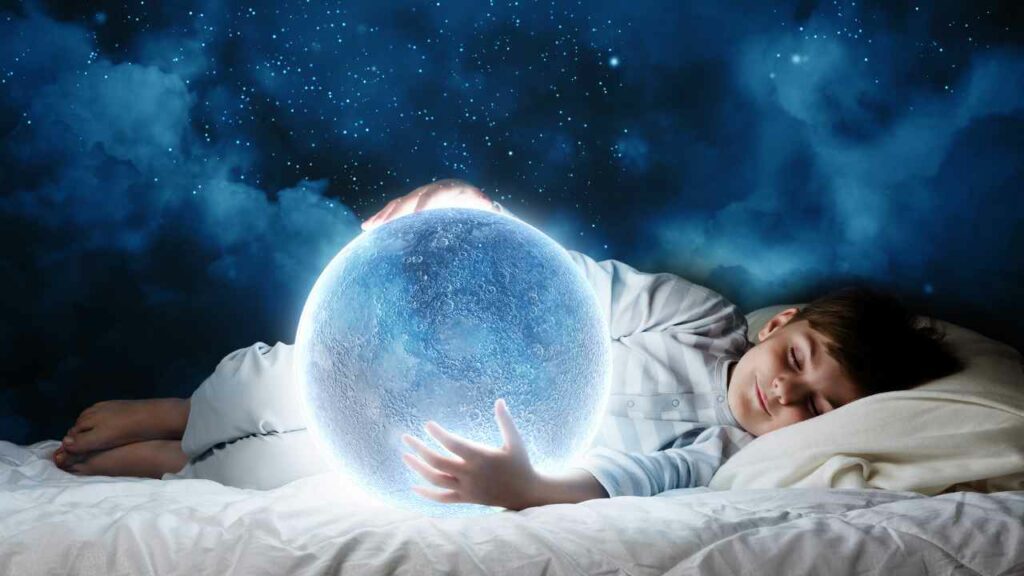
Dreams are the brain’s way of going on a wild adventure every night, no passport needed. One minute you’re flying over mountains, and the next, you’re giving a speech in your pajamas. Why do we dream? Well, it could be your brain’s way of sorting through the day’s memories, practicing for future challenges, or just having a bit of fun. Despite all the studies, dreams remain one of the mind’s most captivating mysteries, proving our brains are the ultimate storytellers.
4 The Emotional Rollercoaster: Why We Feel Feelings

Ever wonder why you get that warm, fuzzy feeling when you see a puppy or why onions make you cry (besides the obvious reason)? Emotions are the brain’s way of telling you how to react to the world, and they can be a real rollercoaster. Scientists think feelings are rooted in our survival instincts, like fear telling you to run away from danger (or that spider in your bathroom). But there’s still so much we don’t understand about why we feel the way we do, making emotions one of the brain’s most intriguing puzzles.
5 The Power of the Placebo: Mind Over Matter

Ever taken a “magic pill” that turned out to be sugar but somehow still made you feel better? That’s the placebo effect, and it’s proof that our minds have some serious mojo. Just believing that you’re getting treatment can actually trigger your brain to kickstart the healing process. It’s like a mental cheat code for getting better, and scientists are still trying to figure out how it works. The placebo effect is a dazzling reminder of the mind’s power to influence the body.
From savant superpowers to the enigmas of emotion, the human brain is a treasure chest of mysteries waiting to be unlocked. It’s what makes us laugh, cry, dream, and wonder. So next time you experience a bit of déjà vu or marvel at someone’s incredible talent, remember: it’s all thanks to the amazing, perplexing, and utterly fascinating organ between your ears. Here’s to the mysteries of the mind, keeping us curious and reminding us that there’s always more to learn about the incredible journey of being human.