Tag: Mind

  • The Art of Forgetting: Why Your Brain Ditches Some Memories Over Others

    The Art of Forgetting: Why Your Brain Ditches Some Memories Over Others

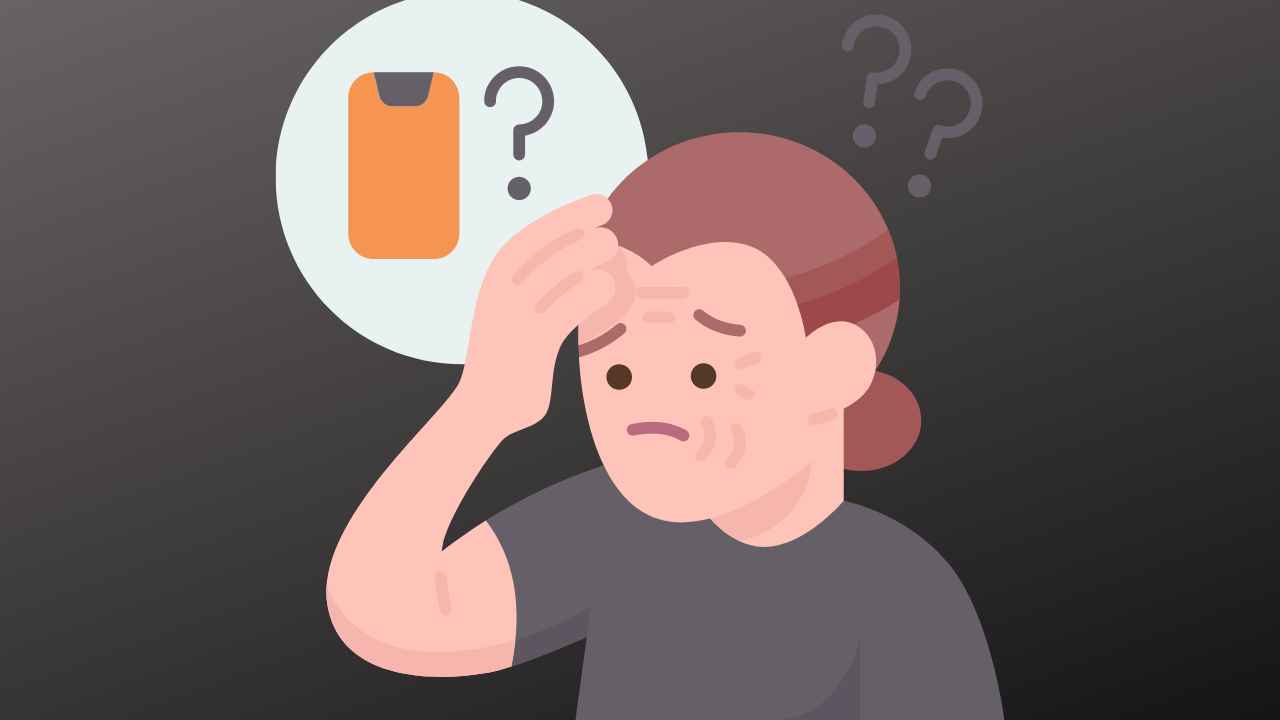
    Ever walked into a room and forgot why you’re there? Or struggled to remember where you left your keys, only to find them in the fridge? Welcome to the quirky world of forgetting, a place where your brain seems to have its own mysterious agenda. Let’s dive into why our brains decide to keep some memories and let others slip away.

    The Brain’s Storage Wars
    Brain's Storage Wars

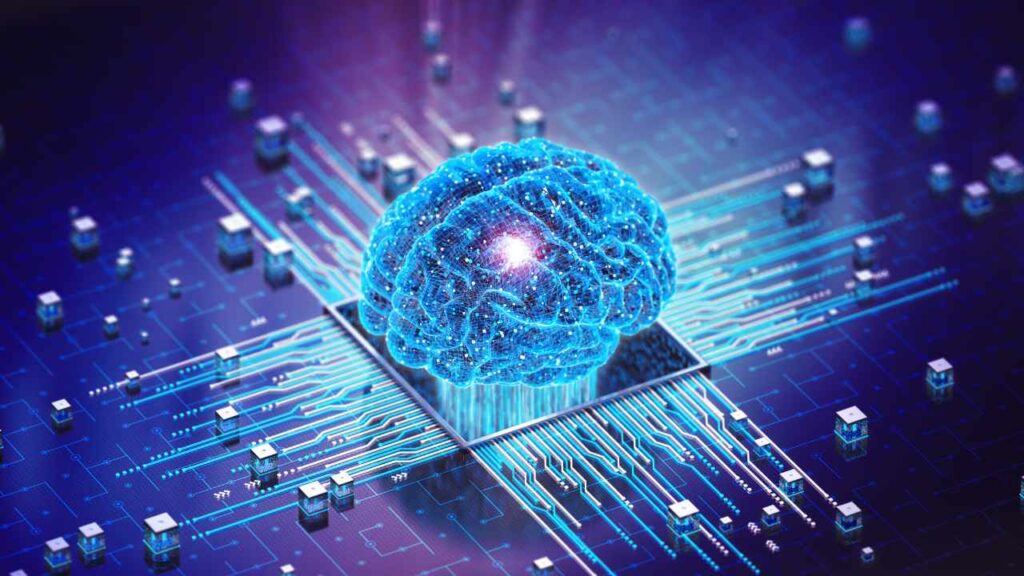
    Imagine your brain as a vast, bustling city, with memories stored in various buildings. Some memories get a penthouse suite with a view (like your first kiss), while others end up in a forgotten storage unit (like what you had for lunch three Tuesdays ago). Your brain is constantly organizing and reorganizing, deciding which memories get to stay in the luxury high-rise and which get the boot.

    The Forget to Remember Paradox

    Forgetting isn’t a flaw; it’s actually a feature. If you remembered every single detail of every moment, your brain would be like a computer with too many tabs open—slow and not very efficient. Forgetting helps your brain prioritize what’s important and keeps it running smoothly. It’s like your brain’s way of decluttering, Marie Kondo style.

    Emotional Baggage Check

    Emotional Baggage Check

    Ever noticed how some memories stick like glue, especially the emotional ones? That’s because your brain gives VIP status to memories charged with feelings, whether they’re joyous, traumatic, or just plain awkward. These memories shape who we are, guiding us in future situations. So, while you might forget where you put your glasses, you’ll remember how you felt losing a loved one or the joy of a friend’s laughter.

    The Repetition Connection

    Repetition is your brain’s way of saying, “Hey, this is important!” The more you repeat something, the more likely it is to move from the storage unit to the penthouse. That’s why you can remember the lyrics to your favorite song from high school but might struggle to recall what you read in a book last week. Repetition tells your brain, “Keep this one; it’s a keeper.”

    The Mystery of Misplacement

    Mystery of Misplacement

    So, why do we forget where we put things or why we walked into a room? Often, it’s because our brains are on autopilot, not fully paying attention to the mundane details of daily life. It’s not that the memory isn’t there; it’s just that your brain didn’t think it was important enough to file away carefully. It’s like tossing your keys into a random drawer instead of their usual spot.

    Embracing Forgetfulness

    Forgetting isn’t a sign that something’s wrong; it’s a sign that your brain is doing its job, keeping you focused on what matters and ready for what’s next. So next time you forget something small, give yourself a break. It’s just your brain’s way of making room for the memories that truly shape your story.


  • Mind Tricks and Optical Illusions: Why Your Eyes Deceive You

    Mind Tricks and Optical Illusions: Why Your Eyes Deceive You

    Ever seen one of those pictures where it looks like the lines are bending, but they’re actually straight? Or maybe you’ve spotted a face in the clouds? Welcome to the funhouse world of optical illusions and mind tricks, where what you see isn’t always what you get. Let’s explore why your peepers play these tricks on you and what it says about how we all see the world.

    The Brain’s Art Gallery

    First off, your eyes are like the front door to your brain’s personal art gallery. They take in the sights, but it’s your brain that’s the curator, deciding what everything means. Sometimes, though, your brain jumps to conclusions or fills in gaps, creating a picture that’s a bit more Picasso than photograph.

    The Magic of Misdirection

    Magic of Misdirection

    Optical illusions are all about misdirection, like a magician pulling a rabbit out of a hat. Your brain tries to predict what it’s seeing based on past experiences, but sometimes it gets ahead of itself. That’s when straight lines look wavy, or static images seem to move. It’s your brain’s way of saying, “Oops, my bad!”

    Faces in the Clouds

    Faces in the Clouds

    Humans are social creatures, so it’s no surprise our brains are wired to see faces everywhere, even in places they don’t belong. This trick, called pareidolia, is why electrical sockets look surprised and cars seem to have personalities. It’s your brain’s way of making the world a bit more familiar and maybe a bit more friendly.

    The Color Conundrum

    Color Conundrum

    Ever argued with a friend about the color of a dress or shoe online? That’s because your brain interprets colors based on context and lighting. What looks blue in one light might look green in another. It’s like your brain has its own Instagram filter, constantly adjusting the scene to fit what it thinks it should look like.

    Why Do These Tricks Matter?

    So, why does our brain bother with all these tricks and illusions? It’s all part of making sense of the world in the fastest, most efficient way possible. By taking shortcuts and making assumptions, your brain can quickly interpret what you see, even if it means getting duped by a cleverly drawn illusion now and then.

    Embrace the Illusion

    Next time you’re fooled by an optical illusion, give your brain a little nod for trying its best. These mind tricks aren’t just cool party tricks; they’re a window into how we process the world around us. They remind us that reality is a bit more flexible than we might think and that seeing is not always believing.