Author: Hyptor

  • Mind Tricks and Optical Illusions: Why Your Eyes Deceive You

    Mind Tricks and Optical Illusions: Why Your Eyes Deceive You

    Ever seen one of those pictures where it looks like the lines are bending, but they’re actually straight? Or maybe you’ve spotted a face in the clouds? Welcome to the funhouse world of optical illusions and mind tricks, where what you see isn’t always what you get. Let’s explore why your peepers play these tricks on you and what it says about how we all see the world.

    The Brain’s Art Gallery

    First off, your eyes are like the front door to your brain’s personal art gallery. They take in the sights, but it’s your brain that’s the curator, deciding what everything means. Sometimes, though, your brain jumps to conclusions or fills in gaps, creating a picture that’s a bit more Picasso than photograph.

    The Magic of Misdirection

    Magic of Misdirection

    Optical illusions are all about misdirection, like a magician pulling a rabbit out of a hat. Your brain tries to predict what it’s seeing based on past experiences, but sometimes it gets ahead of itself. That’s when straight lines look wavy, or static images seem to move. It’s your brain’s way of saying, “Oops, my bad!”

    Faces in the Clouds

    Faces in the Clouds

    Humans are social creatures, so it’s no surprise our brains are wired to see faces everywhere, even in places they don’t belong. This trick, called pareidolia, is why electrical sockets look surprised and cars seem to have personalities. It’s your brain’s way of making the world a bit more familiar and maybe a bit more friendly.

    The Color Conundrum
    Color Conundrum

    Ever argued with a friend about the color of a dress or shoe online? That’s because your brain interprets colors based on context and lighting. What looks blue in one light might look green in another. It’s like your brain has its own Instagram filter, constantly adjusting the scene to fit what it thinks it should look like.

    Why Do These Tricks Matter?

    So, why does our brain bother with all these tricks and illusions? It’s all part of making sense of the world in the fastest, most efficient way possible. By taking shortcuts and making assumptions, your brain can quickly interpret what you see, even if it means getting duped by a cleverly drawn illusion now and then.

    Embrace the Illusion

    Next time you’re fooled by an optical illusion, give your brain a little nod for trying its best. These mind tricks aren’t just cool party tricks; they’re a window into how we process the world around us. They remind us that reality is a bit more flexible than we might think and that seeing is not always believing.


  • The Secret Life of Daydreams: What Your Mind Wanders to and Why?

    The Secret Life of Daydreams: What Your Mind Wanders to and Why?

    Ever caught yourself staring out the window, lost in thought, only to snap back and realize you’ve been on a mental vacation to the beaches of Hawaii or reliving your high school prom night? Welcome to the secret life of daydreams, where your brain goes on adventures without ever asking your permission. Let’s dive into why our minds wander and what those daydreams might be telling us.

    The Great Escape

    First up, daydreaming is your brain’s way of taking a little break. Just like you need to stretch your legs after sitting for too long, your brain needs a breather from whatever you’re doing. Whether it’s crunching numbers at work or figuring out the logistics of family dinner, your mind occasionally hits the “pause” button and flips on the daydream channel.
    The Creative Spark

    Creative Spark

    But it’s not just about zoning out. Daydreaming can be a powerhouse of creativity. Ever noticed how some of your best ideas come to you when you’re not trying? That’s your brain connecting dots and coming up with solutions while it’s off wandering. It’s like having a creative consultant on call 24/7, ready to jump in with fresh ideas when you least expect it.

    Emotional Rehearsal

    Daydreams are also your brain’s way of playing out scenarios you’re hoping for or even dreading. It’s like a dress rehearsal for life. By imagining how a situation might unfold, you’re giving yourself a chance to process emotions and prepare for different outcomes. So, when you daydream about nailing that job interview, your brain is actually helping you build confidence for the real deal.
    The Nostalgia Trip

    Nostalgia Trip

    Sometimes, daydreams are your mind’s way of taking a stroll down memory lane. It’s like flipping through an emotional photo album, revisiting moments that made you laugh, cry, or cringe. These nostalgia trips can be a cozy blanket for the soul, reminding you of where you’ve been and what you’ve experienced.

    Why So Random?

    Random

    Ever wonder why daydreams can be so random? One minute you’re a superhero saving the world, and the next, you’re back in high school trying to remember your locker combination. That’s because daydreaming is the brain’s ultimate free-for-all, where thoughts and memories bounce around like ping-pong balls. It’s your mind’s way of letting loose and enjoying a bit of chaos in the order of daily life.

    Embrace the Wander

    So, next time you catch yourself daydreaming, don’t rush to snap out of it. Give yourself a moment to explore where your mind wants to go. Whether it’s solving a problem, sparking creativity, or just giving you a mental break, daydreams are a secret window into your brain’s inner workings. Who knows? You might just find the answer you’ve been looking for on one of those mental excursions.


  • Laugh Out Loud: The Science Behind What Tickles Your Funny Bone

    Laugh Out Loud: The Science Behind What Tickles Your Funny Bone

    Ever wonder why some jokes make you laugh until your sides hurt, while others barely get a chuckle? Or why tickling can send you into a fit of giggles? Welcome to the hilarious world of humor and the science behind what tickles your funny bone. Let’s crack the code on laughter and find out why it’s such a universal sign of joy.

    The Laughter Formula

    Laughter Formula

    Believe it or not, scientists have been scratching their heads over what makes things funny for ages. Humor often comes down to a surprising twist or seeing something from a new perspective. It’s like your brain expects one thing, but then the punchline flips the script, and your natural reaction is to laugh. It’s the brain’s way of saying, “You got me there!”

    The Social Glue of Giggles

    Laughter isn’t just about jokes; it’s a powerful tool for bonding. Ever noticed how laughter is contagious? That’s because it’s part of how humans connect. Sharing a laugh creates a sense of belonging and strengthens relationships. It’s like your brain’s way of giving a thumbs up to friendship and social cohesion.

    The Tickling Mystery

    Tickling Mystery

    Now, onto the ticklish elephant in the room: why does tickling make us laugh? Scientists think it’s a defense mechanism from our caveman days, a way to teach young humans to protect vulnerable spots. But it’s also about the element of surprise and the joy of human touch. Just remember, not everyone’s a fan of being tickled, so tickle at your own risk!

    Laughter as Medicine

    You’ve probably heard that laughter is the best medicine, and there’s some truth to that. Laughing releases feel-good chemicals in the brain, like endorphins, which can relieve stress and even ease pain. It’s like your body’s natural happy pill, proving that a good chuckle can be just what the doctor ordered.

    Why Humor Varies

    Humor Varies

    What’s hilarious to one person might be a total dud to another, and that’s because humor is highly subjective. Cultural background, personal experiences, and even mood can influence what we find funny. It’s a reminder that humor is as diverse as humanity itself, a reflection of our varied tastes and stories.

    Embrace the Laughter

    So, the next time you find yourself laughing at a corny joke or a silly sitcom, remember that laughter is a complex human experience, rooted in biology, psychology, and social connection. It’s a universal language that transcends borders, bringing joy and unity. So go ahead, laugh out loud, share a joke, and spread the joy—your brain and body will thank you for it.

  • Why We Love Scary Movies: The Thrill of Fear in the Safety of Your Sofa

    Why We Love Scary Movies: The Thrill of Fear in the Safety of Your Sofa

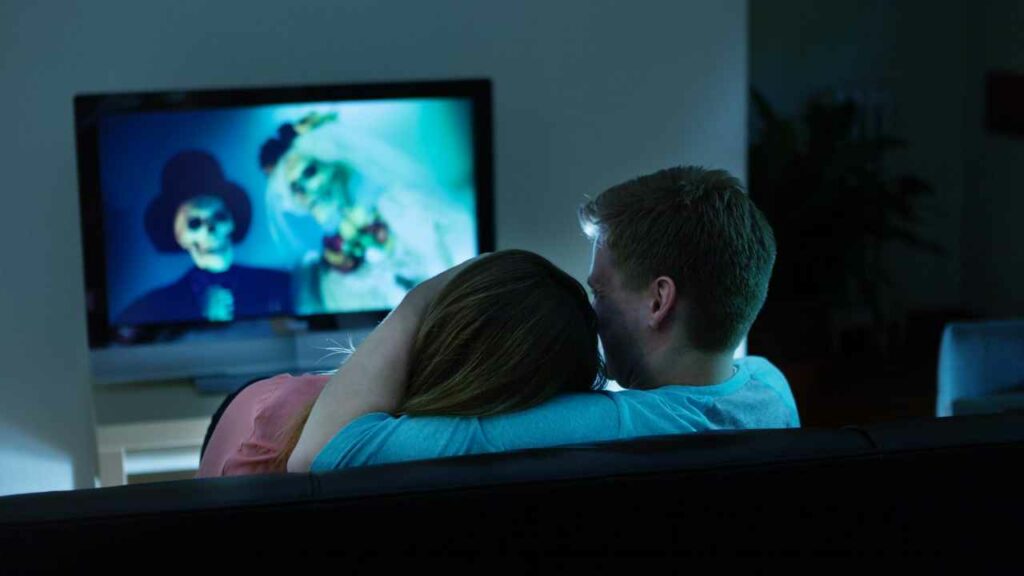
    Ever screamed at a jump scare in a horror movie, then laughed about it seconds later? Or watched through your fingers, telling yourself, “It’s just a movie,” but still feeling your heart race? Welcome to the paradoxical pleasure of scary movies, where we willingly dive into fear from the comfort of our own homes. Let’s explore why we love to get scared by films and what it says about us.

    The Safe Scare

    Safe Scare

    At the heart of our love for scary movies is the thrill of experiencing fear in a controlled environment. It’s like riding a roller coaster; you get the adrenaline rush, the heart-pounding excitement, but deep down, you know you’re safe. Watching a horror film allows us to confront our fears head-on, without any real-world consequences. It’s fear with a safety net.

    The Emotional Roller Coaster

    Emotional Roller Coaster

    Scary movies take us on an emotional roller coaster, and surprisingly, our brains love it. The rush of adrenaline, the spike in cortisol, and the eventual relief when the tension breaks—it’s a biochemical cocktail that can be oddly satisfying. Plus, when we come out the other side unscathed, we get a little confidence boost. It’s like our brain saying, “See? You can handle more than you think.”

    The Bonding Effect

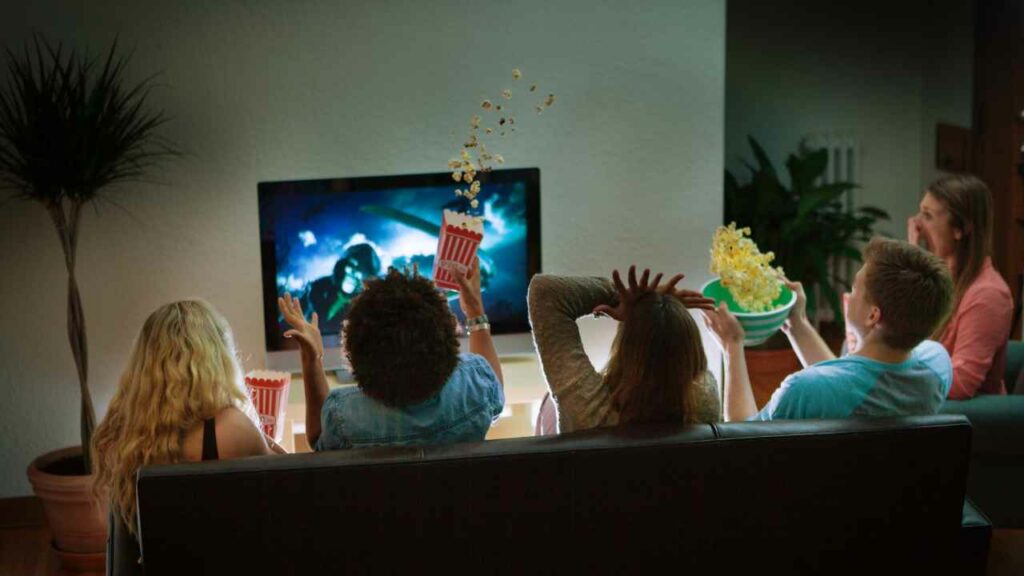
    Believe it or not, horror movies can be a bonding experience. Sharing a scary experience with friends or loved ones creates a sense of camaraderie. It’s the “we’re in this together” vibe, where every jump, scream, and gasp brings you closer. The shared vulnerability and mutual support (even if it’s just holding hands during a particularly creepy scene) strengthen social connections.

    The Fascination with the Dark Side

    Dark Side

    Humans have a natural curiosity about the unknown and the forbidden. Scary movies tap into this curiosity, allowing us to explore the darker aspects of life—death, evil, the supernatural—from a safe distance. It’s a way to satisfy our curiosity about the macabre without actually putting ourselves in danger. Plus, it’s a safe space to explore complex emotions and the concept of morality.

    Catharsis and Relief

    Watching scary movies can also be a form of catharsis, allowing us to release pent-up emotions. The tension builds up, the climax hits, and then there’s relief. This emotional release can be therapeutic, helping us to process our fears and anxieties in a symbolic way. It’s like hitting the reset button on our emotional state, leaving us feeling refreshed and relieved.

    Embrace the Fright

    Embrace the Fright

    So, the next time you’re debating whether to watch that horror flick that’s been on your list, remember that there’s more to it than just scares. It’s an opportunity to explore the depths of fear in a safe setting, to bond with others, satisfy your curiosity, and experience a unique form of emotional release. Grab your popcorn, dim the lights, and let yourself enjoy the thrill of fear from the safety of your sofa.

  • The Emotional Gymnastics of Music: Why Songs Make Us Feel

    The Emotional Gymnastics of Music: Why Songs Make Us Feel

    Ever had a song transport you back in time, evoke a long-forgotten memory, or just make you want to dance like nobody’s watching? Music has this magical ability to stir our deepest emotions, making us feel everything from joy to sorrow, often within the span of a single melody. Let’s tune into the emotional gymnastics of music and discover why songs have such a powerful impact on our feelings.

    The Universal Language of Emotion

    Language of Emotion

    Music is often called the universal language, and for good reason. It doesn’t matter where you’re from or what language you speak; a beautiful melody or a heart-wrenching chord can evoke similar feelings in people across the globe. It’s like music has its own emotional vocabulary, speaking directly to our hearts and souls.

    The Brain’s Playlist

    Brain's Playlist

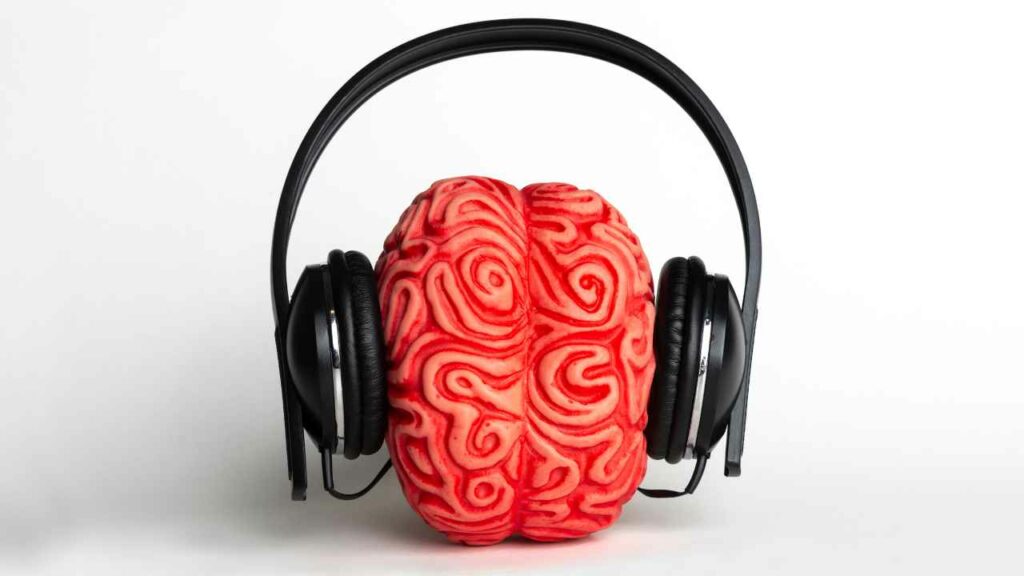
    When we listen to music, our brains light up like a Christmas tree. Different parts of the brain process rhythm, melody, and lyrics, but it’s the limbic system—our emotional center—that really gets the party started. Music can trigger the release of dopamine, the feel-good chemical, which is why your favorite tunes can lift your mood or give you chills.

    The Soundtrack of Our Lives

    Soundtrack of Our Lives

    Music is intertwined with our personal stories. Certain songs can serve as milestones, marking important moments in our lives. That’s why hearing a specific track can take you back to your first love, a memorable summer, or a bittersweet goodbye. It’s as if music holds the key to a treasure chest of memories, each note a reminder of times gone by.

    The Rhythm of Connection

    Music also has the power to connect us to others. Whether it’s a concert where everyone’s singing along or a shared playlist among friends, music creates a sense of community and belonging. It’s a way to express our shared human experience, transcending words and touching our souls in a way that nothing else can.

    The Therapeutic Chords

    Therapeutic Chords

    Beyond its emotional appeal, music has therapeutic benefits. Music therapy is used to help manage stress, enhance cognitive function, and improve emotional well-being. Whether it’s the calming effect of classical music or the uplifting vibes of a pop anthem, music has a profound ability to heal and soothe our minds.

    Tuning Into Our Emotions

    Music invites us to tune into our emotions, to feel deeply and freely. It encourages us to dance out our joy, cry out our sorrow, and sing out our love. In a world that often demands we keep our emotions in check, music offers a safe space to let go and be moved.

    The Infinite Playlist

    The emotional gymnastics of music remind us of the richness of our inner lives. Each song, each melody, each beat is an invitation to explore the depths of our emotions and the connections we share with others. So, the next time you press play, let yourself be carried away by the music, and remember the incredible power it has to move us, to connect us, and to heal us.

  • The Magic of First Impressions: How Your Brain Judges a Book by Its Cover

    The Magic of First Impressions: How Your Brain Judges a Book by Its Cover

    Ever met someone and instantly liked or disliked them, but couldn’t quite put your finger on why? Or decided you’re going to love or hate a movie within the first few minutes? That’s the magic (and mystery) of first impressions, where your brain makes lightning-fast judgments based on… well, sometimes it feels like thin air. Let’s unpack the suitcase of first impressions and see what outfits our brains are picking out at first glance.

    The Speedy Brain

    Speedy Brain

    First off, our brains are like supercomputers when it comes to making first impressions. We’re talking milliseconds here. It’s all part of our survival wiring; back in the day, it was crucial to quickly decide if that stranger coming towards you was friend or foe. Today, while we’re not usually assessing physical threats, our brains still use this rapid-fire judgment system to navigate social situations.

    The Look Book

    A lot of our first impression is based on visual cues—how someone looks, what they’re wearing, their body language, and even their facial expressions. It’s like our brain is flipping through a look book and making snap decisions based on the style it sees. This isn’t just superficial judgment; it’s our brain trying to read the situation and the person as efficiently as possible.

    The Emotional Echo

    Emotional Echo

    First impressions aren’t just about what we see; they’re also about what we feel. Ever had a “gut feeling” about someone? That’s your brain picking up on emotional cues and vibes. It’s like walking into a room and sensing the mood without anyone saying a word. Our brains are constantly scanning for emotional frequencies, tuning into how someone makes us feel right off the bat.

    The Stereotype Shortcut

    Here’s where it gets a bit tricky. Our brains love shortcuts, and stereotypes are one of the go-to methods for quick judgments. While this can sometimes lead us astray, making us judge a book by its cover in the not-so-great sense, it’s also a reminder of how our brains try to make sense of the world. The key is to be aware of these shortcuts and willing to update our impressions with new information.

    Updating the First Draft

    Luckily, first impressions aren’t set in stone. Think of them as the brain’s first draft. As we get more information, our brains are constantly revising and updating that initial judgment. It’s like meeting someone you didn’t click with at first, but then you find out you both love the same obscure band, and suddenly, they’re not so bad.

    The Power of Awareness

    Being aware of how quickly we make first impressions and what influences them can help us navigate our social world more thoughtfully. It encourages us to give people a second chance, to look beyond the surface, and to question our gut feelings with a healthy dose of curiosity and openness.

  • The Curious Case of Cravings: Why Your Brain Dreams of Chocolate

    The Curious Case of Cravings: Why Your Brain Dreams of Chocolate

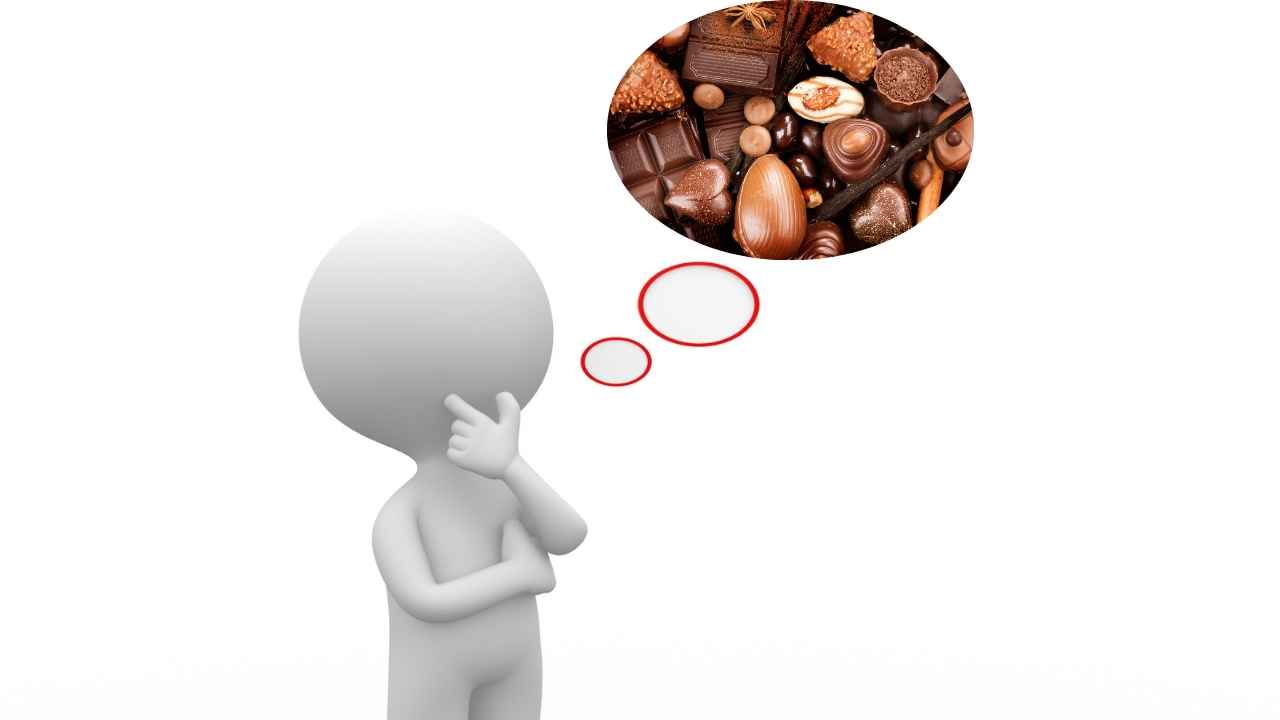
    Have you ever found yourself daydreaming about a gooey chocolate bar or a slice of pizza, seemingly out of nowhere? Cravings are our brain’s way of telling us it wants a food hit, and often, it’s not just about hunger. Let’s unwrap the mystery behind cravings and discover why our brains sometimes seem obsessed with certain foods.

    The Brain’s Snack Time

    Brain's Snack Time

    At the heart of cravings is our brain’s reward system. When we eat something delicious, our brain releases dopamine, a feel-good neurotransmitter that makes us feel happy and satisfied. It’s like our brain’s way of giving us a high-five for eating something it enjoys. Over time, our brains remember which foods triggered this happy dance and prompt us to seek them out again.

    The Emotional Appetite

    Emotional Appetite

    Cravings aren’t always about physical hunger; often, they’re tied to our emotions. Feeling stressed, sad, or even bored can send us on a quest for comfort foods. These foods, often high in sugar, fat, or both, provide a temporary emotional lift. It’s like our brain’s attempt at self-soothing, reaching for a chocolate bar instead of a hug.

    The Memory Lane Menu

    Memory Lane Menu

    Our cravings can also be nostalgic, linked to positive memories or feelings from the past. Maybe your craving for apple pie takes you back to your grandmother’s kitchen, or that craving for a specific brand of soda reminds you of fun times with friends. It’s like our brain’s way of time traveling through taste, revisiting moments of joy and comfort.

    The Nutritional Nudge

    Nutritional Nudge

    Sometimes, our body craves certain foods because it’s seeking specific nutrients. Iron deficiency might have you dreaming of steak, while a lack of potassium could make bananas suddenly appealing. It’s like our body’s way of sending out an SOS, guiding us toward foods that can replenish what we’re missing.

    The Sensory Spotlight

    Sensory Spotlight

    Cravings can also be triggered by our senses. Seeing a commercial for ice cream, smelling fresh bread, or even just talking about food can light up our brain’s desire for those foods. It’s like our senses are in cahoots with our cravings, constantly reminding our brain of all the delicious possibilities out there.

    Managing the Munchies

    Managing the Munchies

    Understanding why we crave certain foods can help us manage these cravings more effectively. Sometimes, it’s about finding healthier alternatives that satisfy the craving without derailing our diet. Other times, it’s about addressing the emotional or situational triggers that spark the craving in the first place.

    Embracing Our Cravings

    Embracing Our Cravings

    Cravings are a natural part of being human, a reminder of the joy and comfort food can bring into our lives. While it’s important to manage cravings in a way that supports our health, it’s also okay to indulge in our favorite treats from time to time. It’s about finding balance, listening to our bodies, and enjoying the delicious diversity of foods that light up our brains and our taste buds.

  • Why We Procrastinate: The Brain’s Battle Between Now and Later

    Why We Procrastinate: The Brain’s Battle Between Now and Later

    Ever found yourself cleaning the house from top to bottom, even though you have a looming deadline? Or scrolling through social media instead of starting on that important project? Welcome to the world of procrastination, where the battle between doing what we should now and what we’d rather do later plays out in our minds. Let’s delve into why we procrastinate and uncover the cognitive tussle that leads us to put off tasks, despite knowing better.

    The Lure of Instant Gratification

    At the heart of procrastination is the human preference for instant gratification—our brain’s desire for immediate rewards over future benefits. When faced with a task, our brain evaluates the immediate pleasure of avoiding the task against the future reward of completing it. More often than not, the immediate pleasure wins out, leading us to procrastinate.

    The Pain of Starting

    Starting a task

    Starting a task is often the hardest part. Our brain anticipates the effort and potential discomfort involved in tackling something challenging, triggering a resistance to begin. This resistance is a protective mechanism, steering us away from perceived discomfort. However, once we manage to start, this resistance usually diminishes, and we wonder why we avoided the task in the first place.

    The Misjudgment of Time

    Misjudgment of Time

    Procrastination is also linked to our brain’s tricky relationship with time. We tend to underestimate how long tasks will take and overestimate the amount of time we have. This time misjudgment leads us to believe we can afford to delay tasks, only to find ourselves under pressure as deadlines approach.

    The Paralysis of Perfectionism

    For some, procrastination is rooted in perfectionism. The fear of not being able to complete a task perfectly can be paralyzing, leading to avoidance. Our brain, in its quest to avoid failure or criticism, convinces us it’s better not to start at all. This perfectionism-procrastination loop can be particularly challenging to break.

    Strategies to Overcome Procrastination

    Overcome Procrastination

    Understanding why we procrastinate is the first step in overcoming it. Strategies to combat procrastination include breaking tasks into smaller, manageable steps, focusing on the action rather than the outcome, and creating a structured schedule with deadlines. Additionally, practicing self-compassion and recognizing that perfection is unattainable can help reduce the fear of starting.

    Embracing the Now

    Ultimately, overcoming procrastination is about embracing the present moment and recognizing the power we have to make choices that align with our long-term goals and values. By understanding the cognitive battles that lead to procrastination, we can develop strategies to engage more productively with our tasks and responsibilities, leading to a more fulfilling and less stressful life.

  • The Science of Superstitions: Why Crossing Fingers Feels Lucky

    The Science of Superstitions: Why Crossing Fingers Feels Lucky

    Have you ever wondered why crossing your fingers for good luck feels reassuring, or why knocking on wood is supposed to ward off bad luck? Superstitions, those quirky beliefs and rituals that promise to influence luck or future events, are found in cultures all around the world. But what’s behind these peculiar practices, and why do our brains cling to them even when we know better? Let’s explore the science of superstitions and uncover the psychological underpinnings of these fascinating behaviors.

    The Comfort of Control

    Comfort of Control

    At the heart of many superstitions is the human desire for control. Life is unpredictable, and that uncertainty can be unsettling. Superstitions offer a sense of control, however illusory, over the uncontrollable. When we cross our fingers or avoid walking under a ladder, we’re engaging in a small ritual that feels like it might sway the odds in our favor. It’s our brain’s way of coping with uncertainty and trying to secure a desired outcome.

    Pattern Recognition Run Amok

    Humans are pattern-seeking creatures; it’s how we’ve survived and thrived. We’re wired to look for cause and effect, even when none exists. This tendency can lead to superstitions when we mistakenly link an unrelated action (like wearing a lucky shirt) with a positive outcome (winning a game). Once that connection is made, our brain reinforces the belief every time the action is followed by the desired result, even if it’s just coincidence.

    The Power of Positive Thinking

    Positive Thinking

    Superstitions can also serve as a form of positive thinking or self-fulfilling prophecy. Believing that a certain ritual or object brings good luck can boost confidence and reduce anxiety, which in turn can improve performance. It’s like a placebo effect for luck. If a basketball player believes that wearing their lucky socks will help them play better, that belief might just make them more focused and confident on the court.

    Social and Cultural Bonds

    Many superstitions are shared cultural practices, passed down through generations. They can reinforce social bonds and create a sense of community and belonging. Participating in common superstitions can be a way to connect with others, honor tradition, and feel part of something larger than oneself. It’s a way of weaving the fabric of society tighter through shared beliefs and rituals.

    Breaking the Superstitious Spell

    Superstitious Spell

    While superstitions can offer comfort and even boost confidence, they can also become limiting or irrational fears. Recognizing the psychological roots of superstitions can help us understand why we’re drawn to them and when it might be time to let them go. It’s about finding a balance between enjoying these quirky rituals as part of our cultural and personal identity and not letting them dictate our actions or decisions.

    Embracing the Mystery

    Ultimately, superstitions are a testament to the human imagination and our quest to find meaning in the world around us. They remind us that, despite all our knowledge and technology, there’s still a place for mystery and wonder in our lives. Whether or not we believe in the power of crossing fingers or knocking on wood, these practices highlight the creative, hopeful, and endlessly curious nature of the human mind.

  • Mirror, Mirror in the Brain: The Mystery of Seeing Yourself in Others

    Mirror, Mirror in the Brain: The Mystery of Seeing Yourself in Others

    Have you ever caught yourself mimicking the gestures of a friend during a conversation, or felt an instant pang of sadness when seeing someone else in distress? This phenomenon, where we see a reflection of ourselves in others, is rooted in a fascinating feature of the brain known as mirror neurons. Let’s delve into the science behind empathy, imitation, and how we understand others’ emotions, shedding light on the mystery of seeing ourselves in the people around us.

    The Discovery of Mirror Neurons

    Mirror neurons

    Mirror neurons were first discovered in the 1990s by neuroscientists observing the brains of monkeys. They noticed that certain neurons fired both when the monkey performed an action and when it observed the same action performed by someone else. This groundbreaking discovery suggested that these neurons “mirror” the behavior of others, playing a crucial role in our ability to understand and empathize with those around us.

    The Role of Mirror Neurons in Humans

    role of Mirror neuron

    In humans, mirror neurons contribute to our capacity for empathy, enabling us to feel what others feel and understand their intentions and emotions. When we see someone smile, frown, or express fear, our mirror neurons activate, creating an internal echo of that emotion. This mirroring mechanism is why we might wince when we see someone get hurt or feel joyful at another’s happiness.

    Imitation: The First Form of Learning

    Imitation is not just a form of flattery; it’s a fundamental way we learn and navigate the social world. From infancy, we mimic the facial expressions, gestures, and speech patterns of those around us, a process underpinned by mirror neurons. This mimicry helps us bond with caregivers, learn social norms, and develop language and social skills. It’s as if our brains are programmed to copy and paste information from the environment to aid in our development.

    Empathy: Feeling with Others

    Empathy: Feeling with Others

    Empathy, the ability to understand and share the feelings of another, is deeply tied to the function of mirror neurons. These neurons allow us to not just recognize emotions in others but to internally simulate those emotions, bridging the gap between personal experience and shared understanding. This empathic resonance is what makes us human, fostering social bonds and cooperative behavior.

    The Dark Side of Mirroring

    While mirror neurons facilitate connection and understanding, they can also lead to emotional contagion, where we unconsciously catch the emotions of those around us, for better or worse. This phenomenon highlights the importance of emotional boundaries and the ability to distinguish between our own feelings and those mirrored from others.

    Cultivating Compassion and Understanding

    Understanding the role of mirror neurons in empathy and imitation offers valuable insights into human behavior and relationships. By recognizing the neural basis of our connection to others, we can cultivate compassion, improve our communication skills, and deepen our relationships. It’s a reminder that, at our core, we are wired to connect, understand, and care for one another.