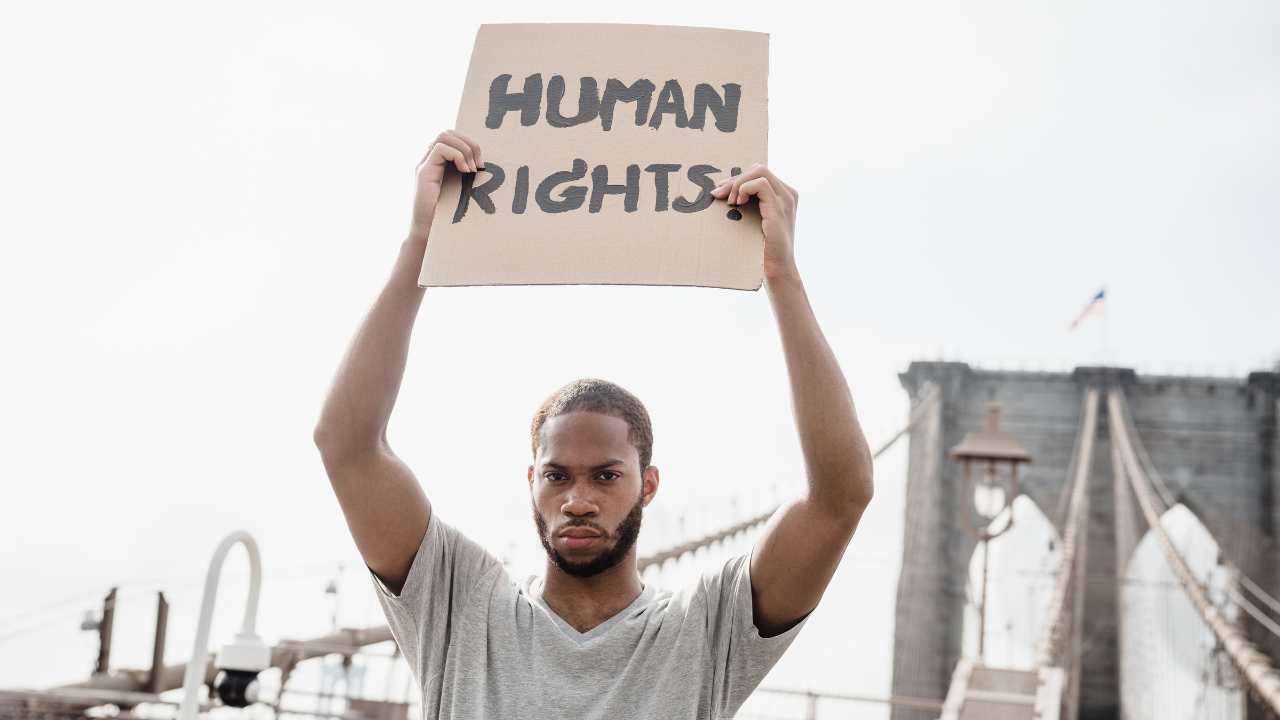
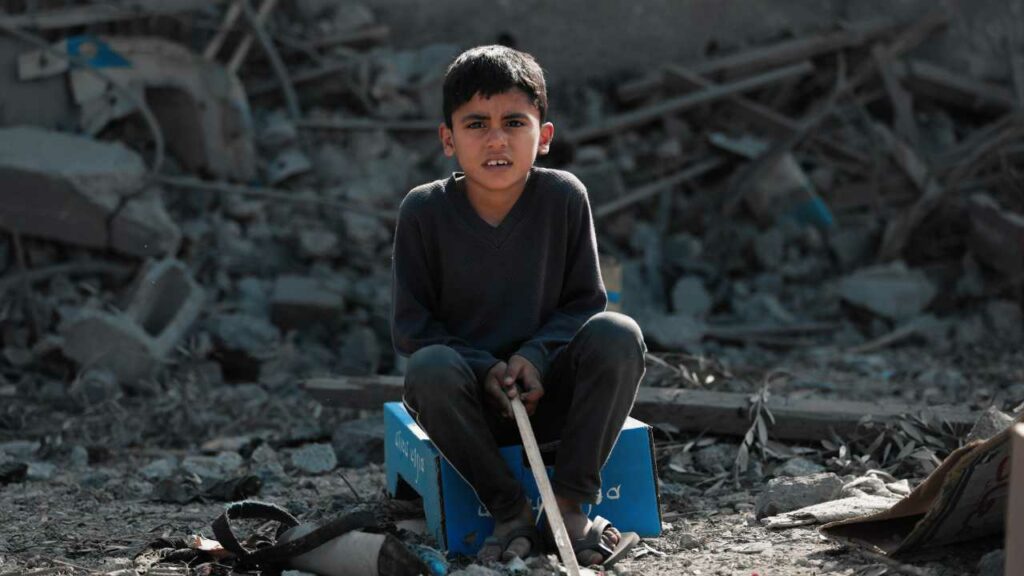
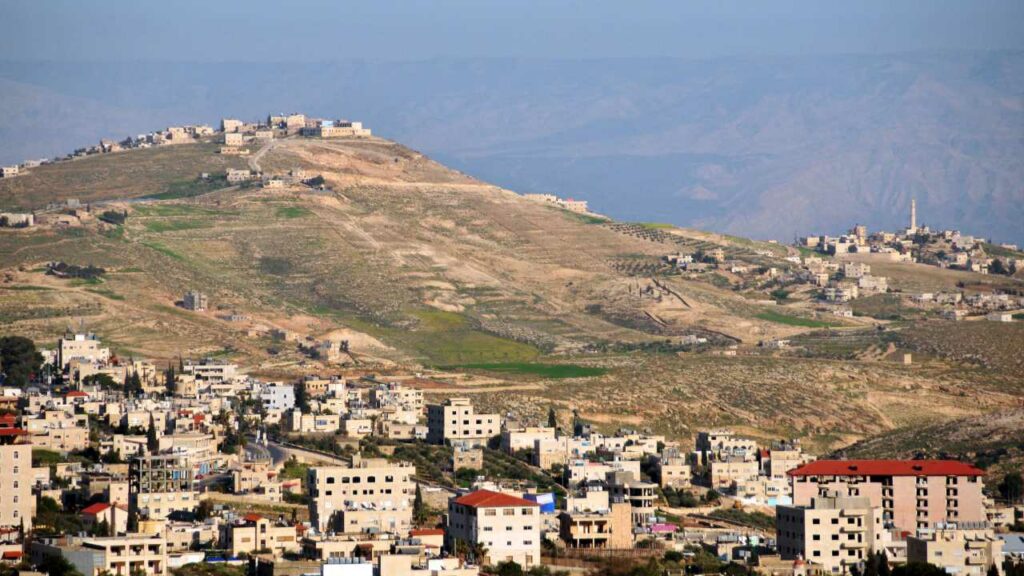
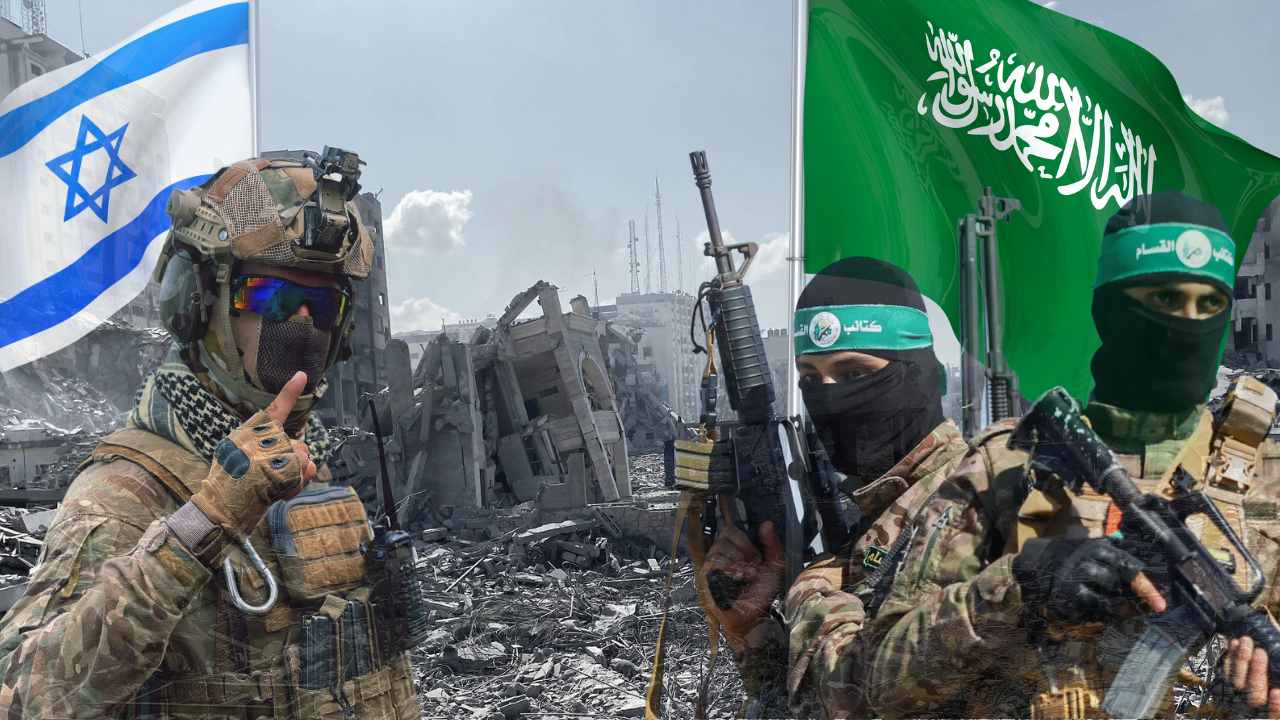
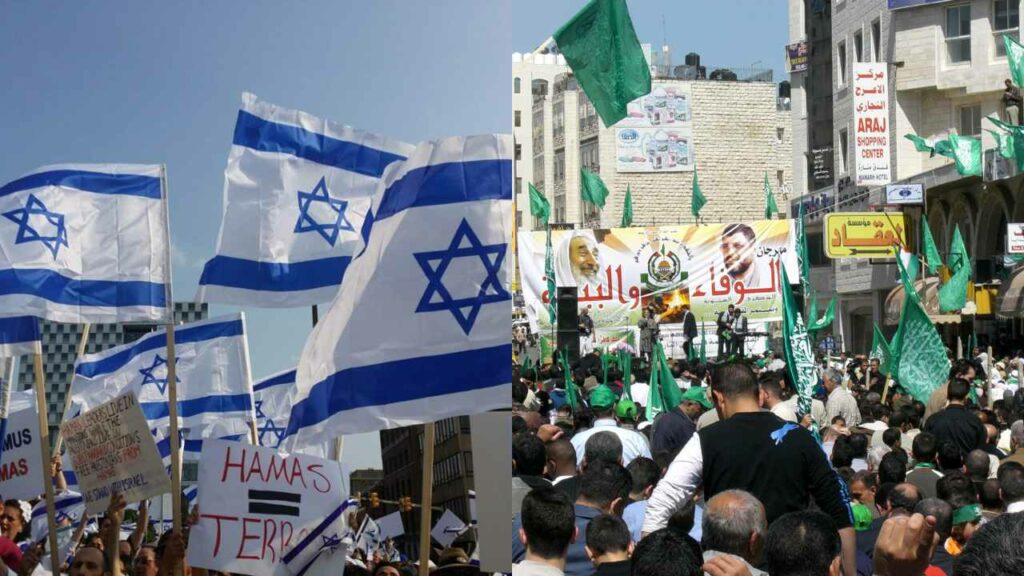
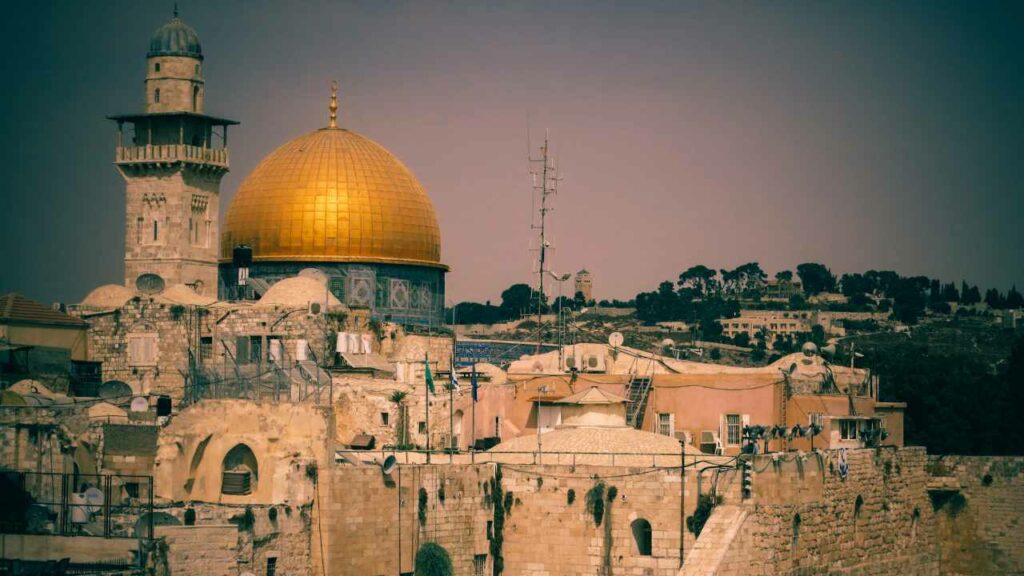
Israel has been accused of various human rights violations over the years. Here’s a list of some significant allegations:
1Unlawful Killings and Forced Displacement
These acts have been a major point of contention, especially in the occupied territories.
2Abusive Detention
Israel has faced criticism for its detention practices, including those of Palestinians.
3Violations of Laws of War and Apparent War Crimes
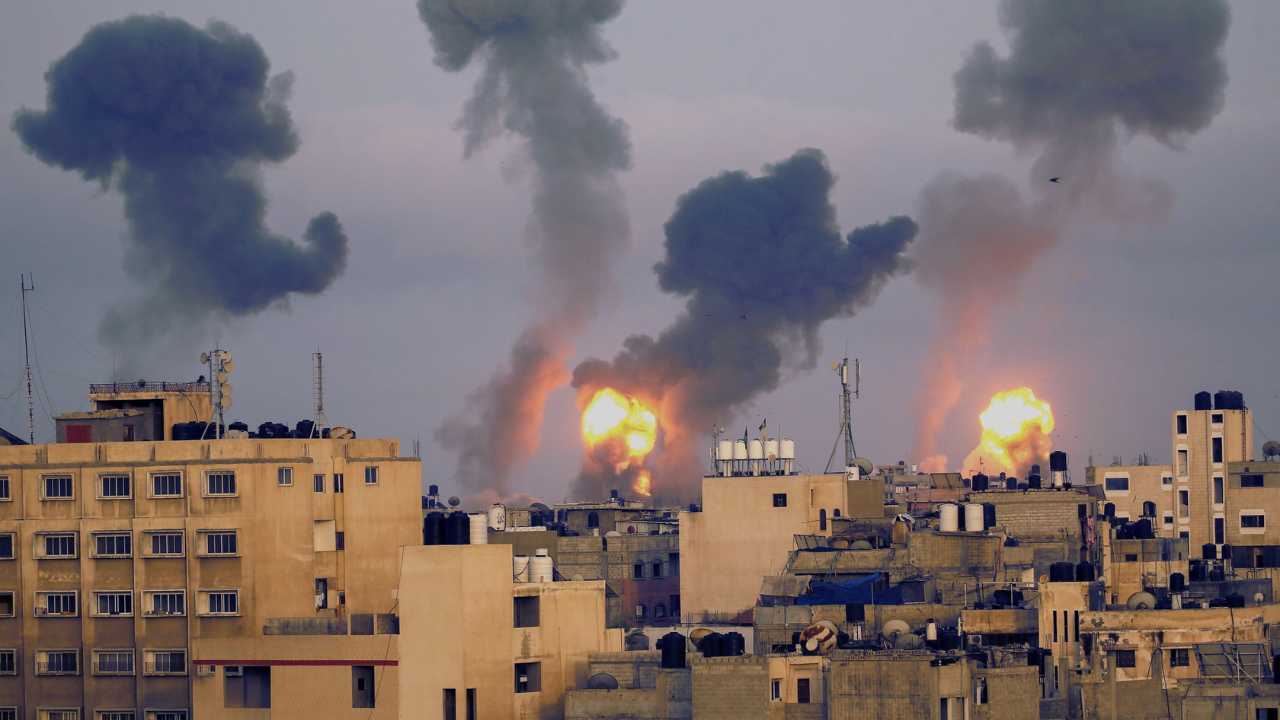
This includes Israeli strikes that killed civilians and destroyed civilian infrastructure during hostilities.
4Institutional Discrimination
This includes discrimination against Arab citizens of Israel, Ethiopian Israelis, women, refugees, and irregular migrants.
5Acts Constituting Apartheid
Israeli officials have been accused of engaging in acts such as massive seizures of land, unlawful killings, serious injuries, forcible transfers, and arbitrary restrictions on movement, which may amount to the crime against humanity of apartheid.
6Israeli West Bank Barrier
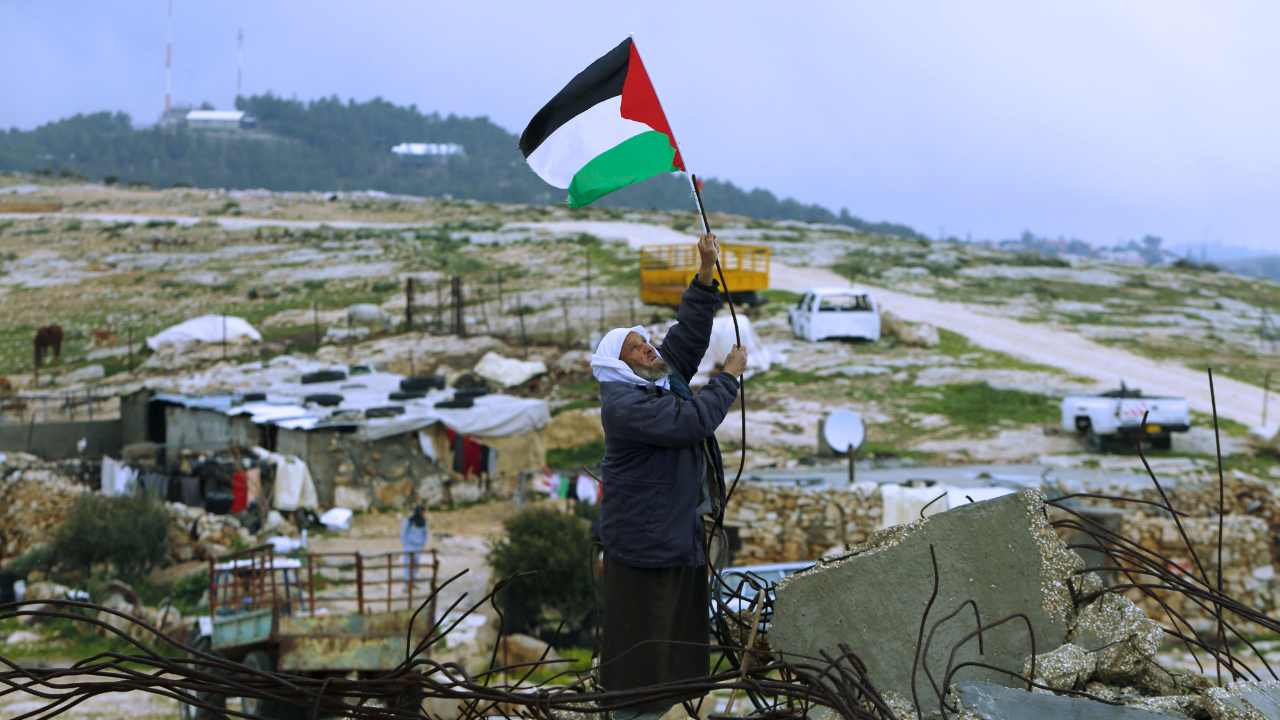
The construction of this barrier, which cuts into the West Bank, has been a center of controversy due to its impact on the lives of Palestinians.
7Use of Excessive Force and Reckless Shooting
Amnesty International has accused the IDF of war crimes, including unlawful killings, destruction of property, obstruction of medical assistance, torture, and the use of Palestinians as human shields.
8Use of Palestinian Children as Human Shields
The UN Committee on the Rights of the Child found that Israeli forces used Palestinian children as human shields in several cases between 2010 and 2013.
9‘Neighbor Procedure’ or ‘Early Warning Procedure’
The IDF’s practice of encouraging Palestinians to convince wanted individuals to surrender was criticized as using human shields.
10Using Civilians as Human Shields in Military Operations
Reports indicate that Israeli soldiers used civilians, including children, as human shields during military operations, tying them to vehicles or using homes as bases while keeping families inside.
These violations, often documented by international human rights organizations like Human Rights Watch, Amnesty International, and United Nations committees, have sparked international debate and condemnation. The complex and ongoing nature of the Israeli-Palestinian conflict makes the assessment and analysis of these allegations challenging, often intertwining with political, historical, and socio-economic factors
In recent times, Israel has been accused of violating various international laws through its actions in the Middle East. These allegations have come from multiple sources, including other states and international organizations. Below is a list of specific laws that have been referenced in relation to Israel’s actions, along with the context in which these laws have been cited.
Violations of Sovereignty and International Law in Syria
Law Referenced:
The principle of state sovereignty and non-intervention under international law.
Context:
Russia has accused Israel of violating Syrian sovereignty and international law through airstrikes conducted on Syrian territory. Source (Reuters, October 12, 2023)
Bombardment of Gaza
Law Referenced:
International humanitarian law, particularly the laws relating to the conduct of hostilities.
Context:
There have been claims that Israel’s bombardment of Gaza runs counter to international law, which sets forth the conditions under which a state can respond to terrorism and the norms of international conduct during armed conflict. Source (Reuters, October 28, 2023)
War Crimes Laws and the Israel-Palestinian Conflict
Law Referenced:
The Law of Armed Conflict or International Humanitarian Law, which includes the Geneva Conventions.
Context:
An explainer on what war crimes laws apply to the Israel-Palestinian conflict has been provided, detailing the acts that could constitute violations of war crimes law, including targeting civilians and disproportionate use of force. Source (Reuters, November 2, 2023)
Targeting Civilians in Gaza
Law Referenced:
International humanitarian law, including the principles of distinction and proportionality.
Context:
Arab countries have condemned what they describe as “flagrant violations” of international law by Israel, specifically targeting civilians in Gaza.
Arms Sales and Alleged Violations
Law Referenced:
Various international laws and treaties governing arms sales and the use of those arms in conflict.
Context:
A Palestinian NGO has urged the UK to stop arms sales to Israel, alleging that Israel has violated international law with its actions in Gaza.
In recent weeks, the Israel-Hamas conflict has dominated headlines, capturing the attention of the international community. But for those seeking a deeper understanding, the complexities and long-standing tensions fueling this conflict may seem daunting.
In this article, we aim to shed light on the Israel-Hamas conflict, providing a comprehensive explanation of its origins, key players, and current state of affairs. Without taking sides, we will present a balanced overview of the factors fueling this ongoing dispute.
Historical Background of the Conflict
The Israel-Hamas conflict is deeply rooted in the historical context of the Israeli-Palestinian conflict. The origins of this dispute can be traced back to the early 20th century when Zionist Jews sought to establish a homeland in Palestine. The establishment of the state of Israel in 1948 further fueled tensions between Jewish settlers and Arab Palestinians, leading to a series of wars and conflicts.
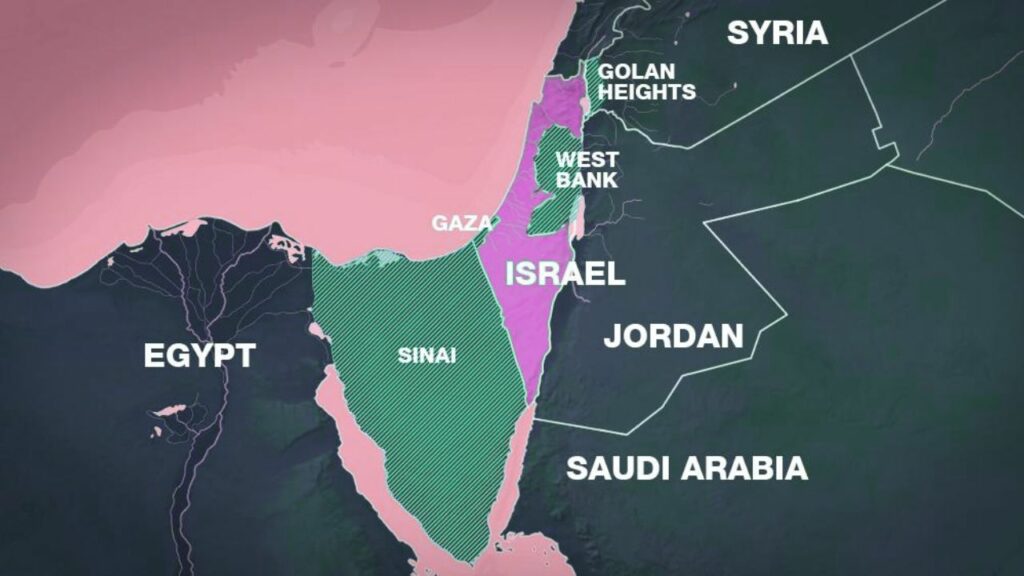
One of the key turning points in the conflict was the Six-Day War in 1967, during which Israel gained control over the West Bank, Gaza Strip, and East Jerusalem. This occupation intensified the grievances of Palestinians, leading to the rise of various resistance movements, including Hamas.
Key Players in the Conflict – Israel and Hamas
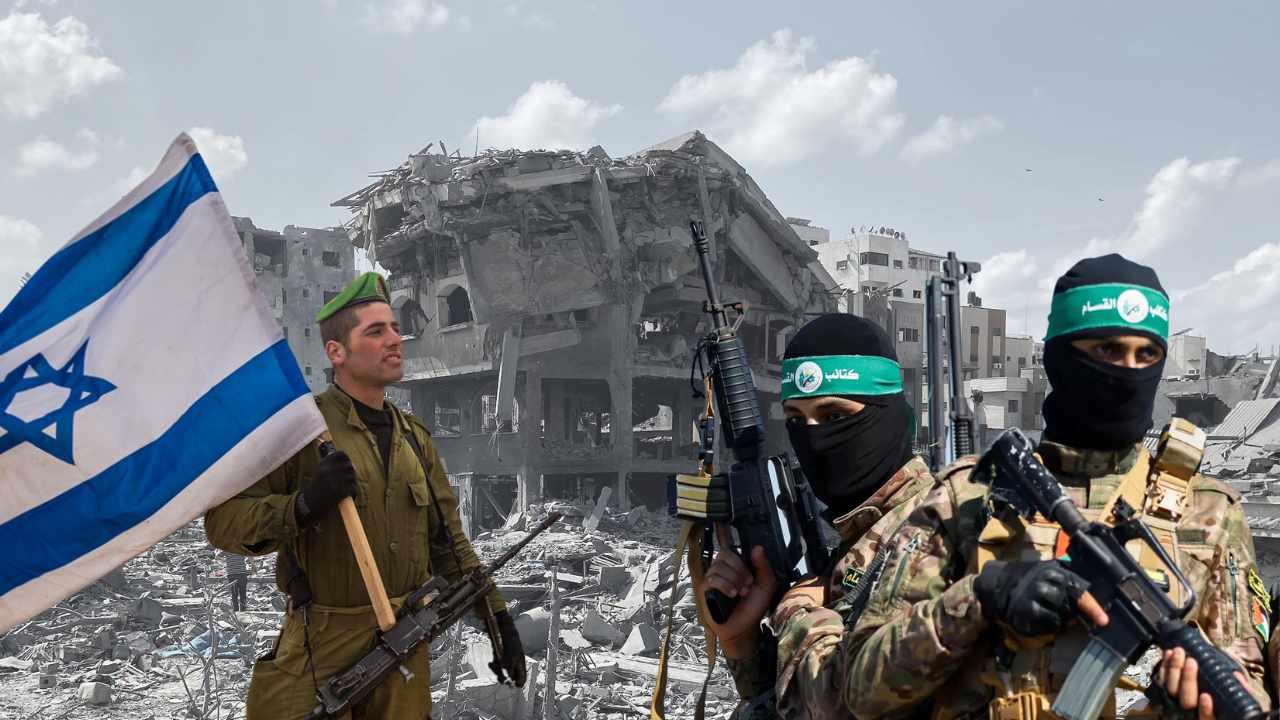
The Israel-Hamas conflict is primarily between two main actors – Israel and Hamas. Israel is a democratic state with a strong military and a close alliance with the United States. It sees itself as a haven for Jews worldwide and is committed to protecting its citizens from terrorist attacks.
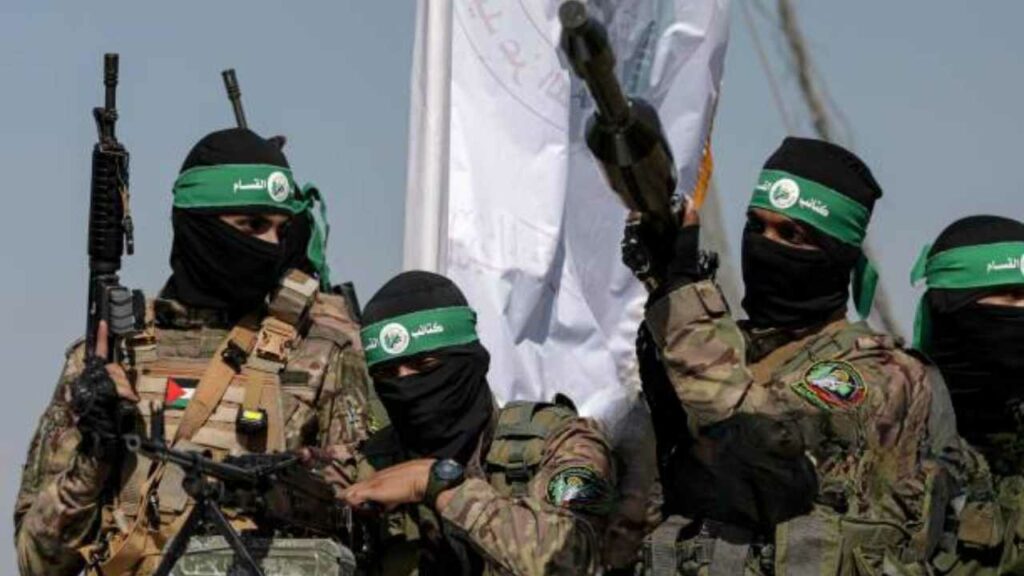
Hamas, on the other hand, is a Palestinian Islamist group that emerged in the late 1980s. It is considered a terrorist organization by many countries, including the United States and the European Union. Hamas is dedicated to the liberation of Palestine and the establishment of an Islamic state, and it has gained significant support among Palestinians through its social programs and resistance against Israeli occupation.
Causes of the Conflict
The Israel-Hamas conflict is fueled by a multitude of causes, including territorial disputes, the status of Jerusalem, the right of return for Palestinian refugees, and the ongoing Israeli occupation of Palestinian territories. These issues have led to a cycle of violence, with both sides engaging in acts of aggression and retaliation.
One of the main causes of the conflict is the Israeli settlement expansion in the West Bank. Israel’s continued construction of settlements in the occupied territories is considered illegal under international law and has been a major point of contention in peace negotiations.
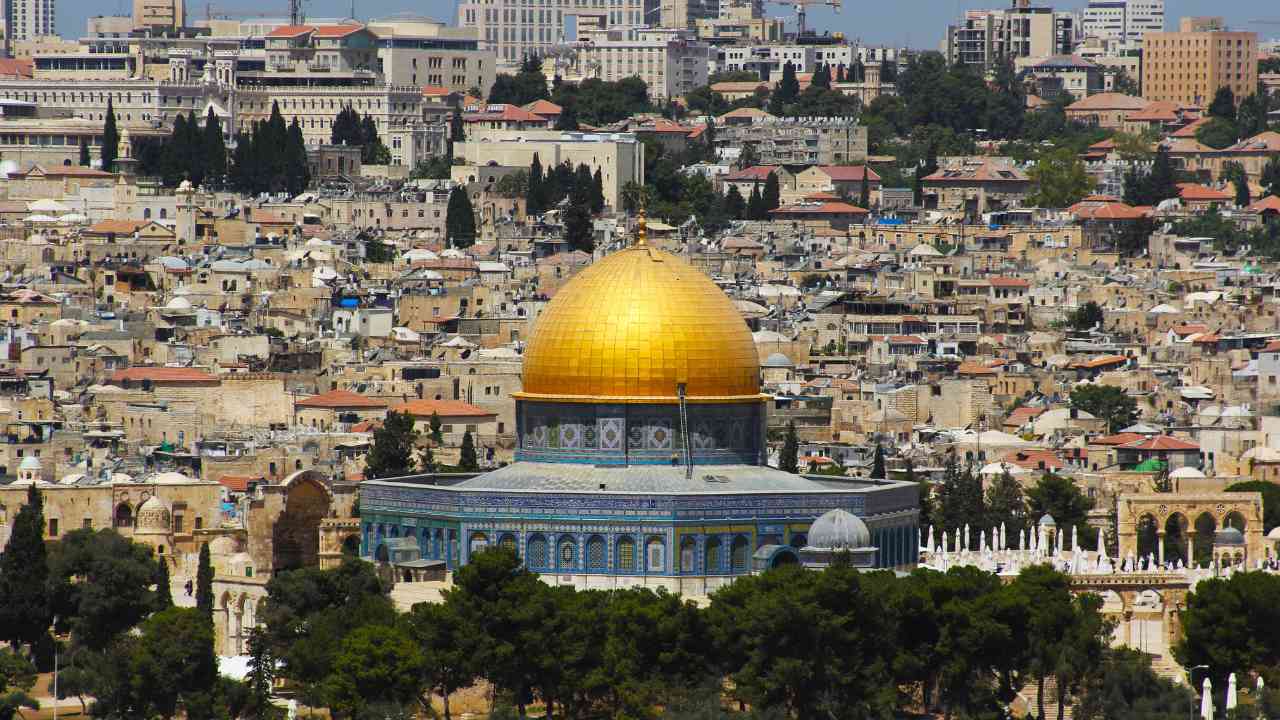
Additionally, the status of Jerusalem is a highly contentious issue. Both Israel and Palestine claim Jerusalem as their capital, and the city’s religious and cultural significance adds another layer of complexity to the conflict.
Timeline of Major Events
Over the years, the Israel-Hamas conflict has witnessed numerous significant events that have shaped its course. From the Oslo Accords in the 1990s to the Gaza disengagement in 2005 and the subsequent Hamas takeover, the conflict has been marked by moments of hope and despair.
The outbreak of violent clashes and wars, such as the Second Intifada in 2000 and the Gaza War in 2014, have further deepened the animosity between Israel and Hamas. The timeline of these events provides critical insights into the dynamics of the conflict and the challenges faced by peace efforts.
International Response and Mediation Efforts
The international community has been actively involved in attempting to resolve the Israel-Hamas conflict. Various peace plans and initiatives, such as the Camp David Summit and the Oslo Accords, have been proposed over the years. However, achieving a lasting peace agreement has proven to be a daunting task.
Efforts by regional and international actors, including the United Nations, the United States, and neighboring Arab states, have aimed to facilitate dialogue and negotiation between Israel and Hamas. These mediation efforts have often been met with obstacles and setbacks, highlighting the complexity of the conflict.
Humanitarian Impact of the Conflict
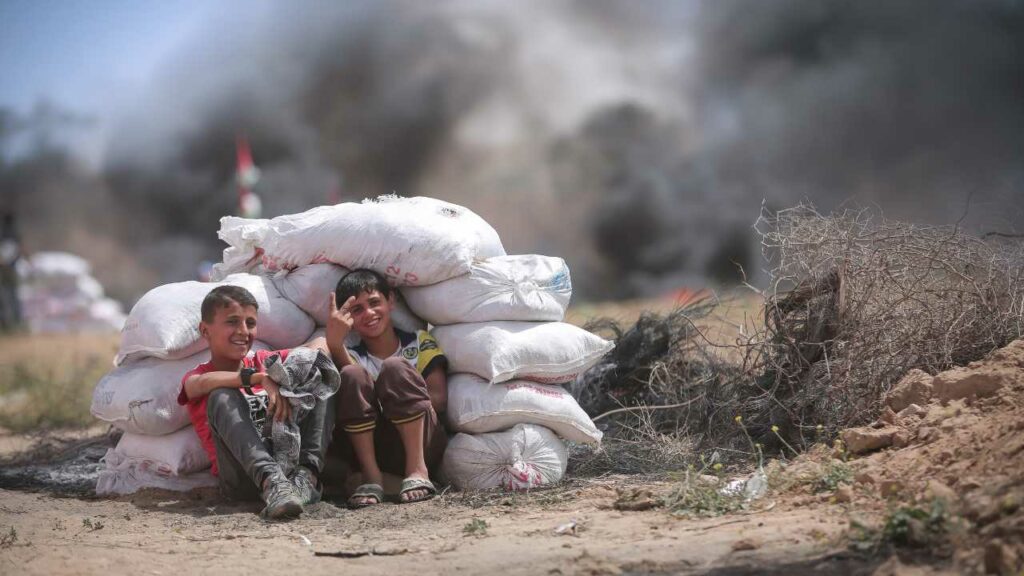
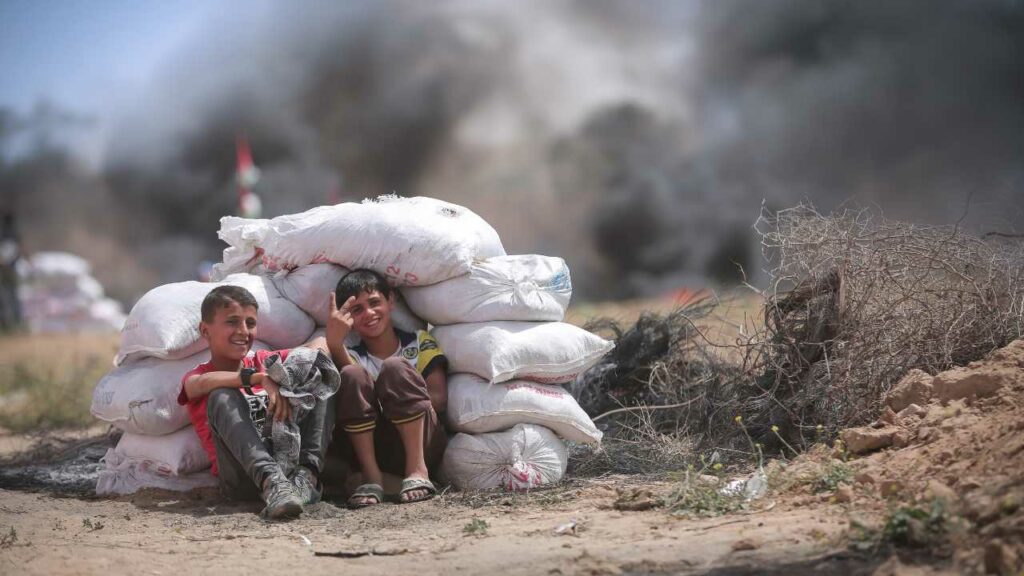
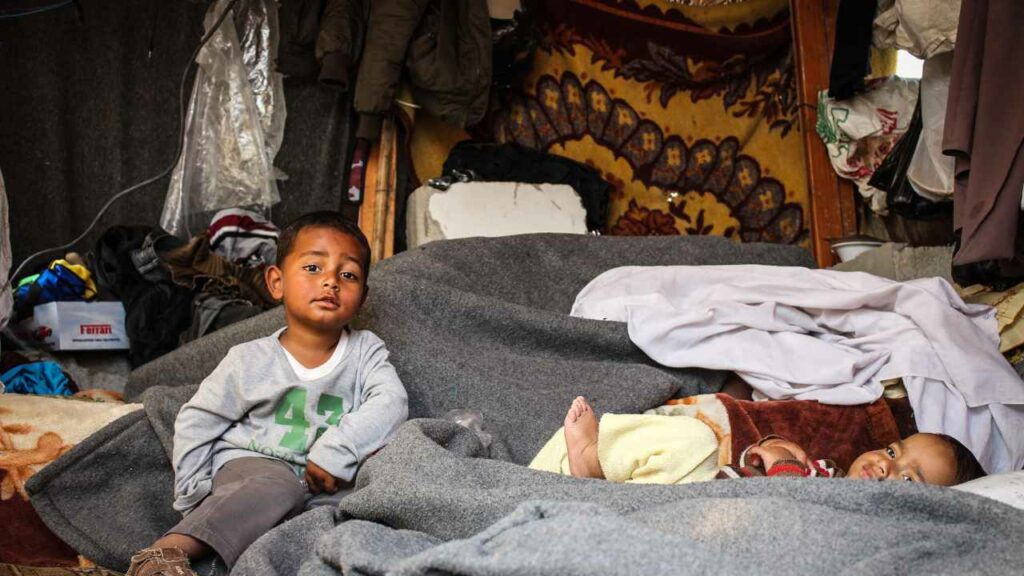
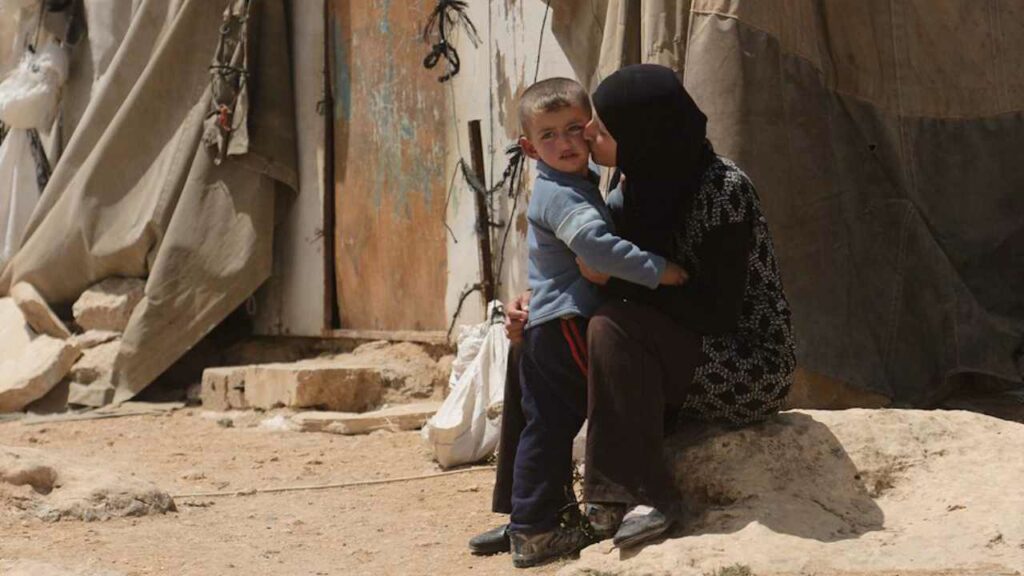
The Israel-Hamas conflict has had a devastating humanitarian impact on both Israelis and Palestinians. The frequent outbreaks of violence have resulted in the loss of countless lives, displacement of families, and destruction of infrastructure.
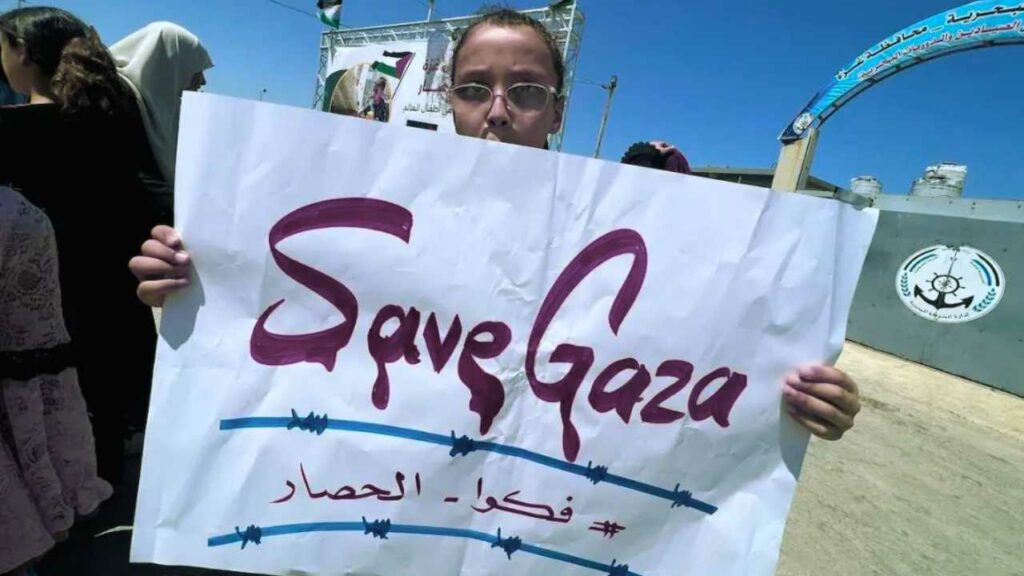
In the Gaza Strip, where Hamas holds control, the population faces dire living conditions due to the Israeli blockade and restrictions on goods and services. The lack of access to basic necessities, such as clean water and medical supplies, has further worsened the humanitarian crisis in the region.
Media Coverage and Propaganda
Media coverage of the Israel-Hamas conflict plays a significant role in shaping public opinion and perceptions. Both sides have been accused of using propaganda to advance their narratives and justify their actions.
Critics argue that media bias can hinder a comprehensive understanding of the conflict, as certain perspectives and voices may be marginalized or overlooked. The rise of social media has also amplified the dissemination of information, making it crucial to critically evaluate sources and seek a balanced view.
Potential Solutions and Roadmap to Peace
Finding a sustainable solution to the Israel-Hamas conflict is a complex task that requires compromise and political will from both parties. The two-state solution, which envisions the establishment of an independent Palestinian state alongside Israel, has long been proposed as a viable path to peace.
However, achieving this solution requires addressing the core issues at the heart of the conflict, such as borders, settlements, and the status of Jerusalem. It also necessitates fostering trust and cooperation between Israel and Hamas, as well as the support of the international community.
Conclusion and Implications
The Israel-Hamas conflict is a multifaceted and deeply entrenched dispute that continues to impact the lives of millions of people. Understanding the historical background, key players, and causes of the conflict is essential to grasp its complexities fully.
While reaching a resolution may seem elusive, efforts to promote dialogue, peace, and justice must persist. By staying informed and engaging in constructive conversations, individuals can contribute to a more nuanced understanding of the Israel-Hamas conflict and support initiatives that aim to bring about lasting peace in the region..
When discussing the complex and enduring conflict between Israel and Hamas, a question often arises: Can Israel defeat Hamas? This inquiry delves into the heart of Middle Eastern geopolitics, touching on a history of tumultuous relations, military engagements, and ceasefires that have shaped the region. Israel, with its technologically advanced military and the backing of powerful allies, stands as a formidable force. However, the resilience of Hamas, despite international pressures and significant challenges, raises questions about what “defeat” truly means in such a protracted conflict. This article aims to explore the multifaceted aspects of this question, examining the military, political, and humanitarian angles to understand the prospects of a conclusive resolution to the hostilities between Israel and the Gaza-based organization, which many countries, including the United States and members of the European Union, designate as a terrorist group.
Can Israel Defeat Hamas
Historical Context and Background
Understanding the Origins of the Israel-Hamas Conflict
The conflict between Israel and Hamas is a complex and long-standing issue deeply rooted in the broader Arab-Israeli conflict. The origins of the current conflict can be traced back to the establishment of Israel in 1948 and the subsequent Arab-Israeli wars, which led to the displacement of Palestinian people and the occupation of Palestinian territories. Hamas, a Palestinian Sunni-Islamic fundamentalist militant organization, was founded in 1987 during the First Intifada (uprising) as an offshoot of the Muslim Brotherhood. Its charter initially called for the establishment of an Islamic state in the area that includes present-day Israel, the West Bank, and the Gaza Strip.
The Evolution of Hamas’s Role in the Palestinian Territories
Over the years, Hamas has grown from a guerilla movement to a significant political entity within the Palestinian territories, particularly in Gaza. After winning a majority in the 2006 Palestinian legislative elections, Hamas took control of the Gaza Strip in 2007, leading to a political split with the Fatah party, which controls the Palestinian Authority in the West Bank. This division has been a significant factor in the dynamics of the Israeli-Palestinian conflict, with Israel and much of the international community refusing to deal with Hamas until it renounces violence and recognizes Israel’s right to exist.
Previous Conflicts and Ceasefires: Patterns and Outcomes
The history of the conflict is marked by several intense bouts of fighting, such as the Gaza War (2008-2009), the November 2012 clashes, the 2014 Gaza War, and more recently, the 2021 Israel-Gaza crisis. These conflicts have often ended with ceasefires mediated by international actors, but without a resolution to the underlying issues. The patterns observed include a cycle of violence followed by temporary truces, a buildup of military capabilities, and then renewed conflict.
In each of these conflicts, both sides have suffered casualties, with a significant impact on the civilian populations, particularly in Gaza. Despite Israel’s military superiority and effective missile defense system, the Iron Dome, Hamas has continued to pose a challenge through its use of tunnels, rockets, and, more recently, incendiary balloons and kites.
The outcomes of previous conflicts have not led to a decisive military victory for Israel over Hamas. Instead, they have resulted in significant destruction in Gaza, a humanitarian crisis, and international calls for an end to the violence. The repeated patterns of conflict suggest that while Israel has the military capability to inflict significant damage on Hamas, achieving a lasting defeat of the organization is complicated by political, humanitarian, and international legal considerations.
Military Capabilities and Strategies
An Assessment of Israel’s Military Strength and Technological Advancements
Israel has long been recognized as one of the most formidable military powers in the Middle East. With an annual military budget of around $23.6 billion as of 2023, Israel’s military spending surpasses the combined total of Egypt, Iran, Lebanon, and Jordan. The Israel Defense Forces (IDF), established shortly after the state of Israel in 1948, have a tradition of compulsory military service starting at age 18, contributing to a substantial force of approximately 169,500 active-duty personnel and around 465,000 reservists.
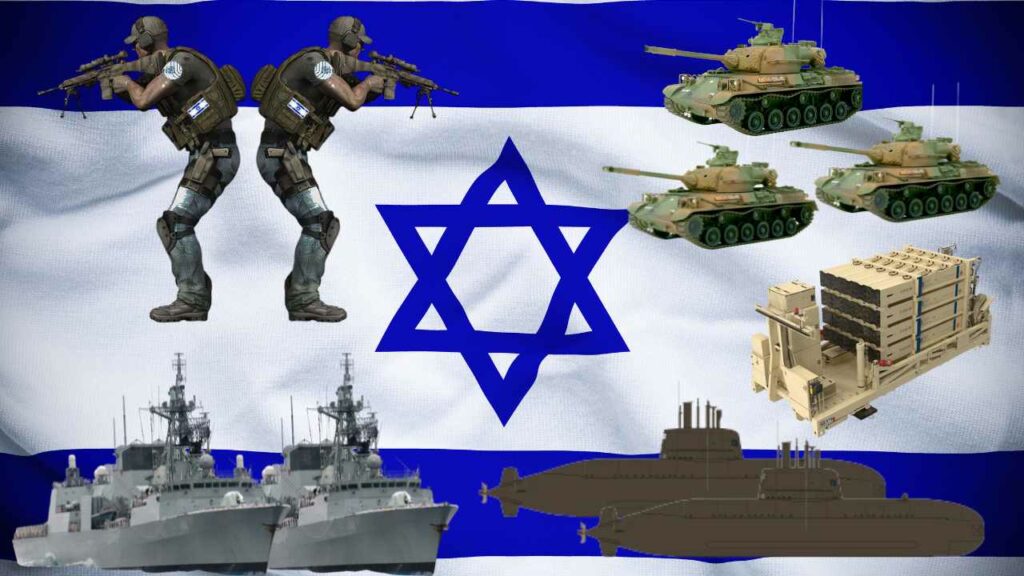
Israel’s military strength is augmented by its possession of sophisticated drones, fighter aircraft, tanks, submarines, and artillery. The nation is believed to have dozens of nuclear warheads, although it has never officially acknowledged them. The IDF’s arsenal includes approximately 2,200 tanks, several dozen surface vessels, around 15 warships, and five Dolphin-class submarines. The drone arsenal comprises advanced models such as the Heron, Hermes, and Skylark series.
The Iron Dome missile defense system, operational since 2011, is a cornerstone of Israel’s defense strategy, using radar technology to intercept and destroy short-range rockets. The U.S. is the primary supplier of military aid to Israel, contributing around $130 billion since its founding, with $3.8 billion in military assistance last fiscal year alone. This support includes advanced military equipment like the F-35 Joint Strike Fighter.
Hamas’s Military Capabilities, Including Their Rocket Arsenal and Tunnel Networks
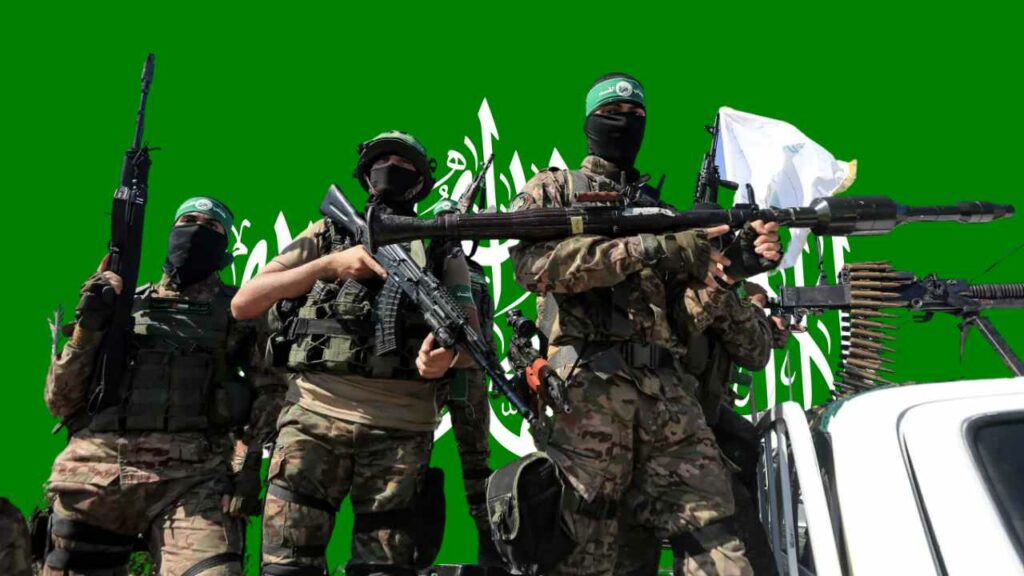
Hamas’s military wing, the Izz ad-Din al-Qassam Brigades, has relied on a guerrilla-warfare strategy for over three decades. This includes the use of rockets, snipers, improvised explosive devices (IEDs), and a network of underground tunnels for attacks against Israel. Despite Israel’s control over the borders and movement in Gaza since 2007, Hamas has maintained its ability to launch rockets into Israeli territory and use tunnels for smuggling and surprise attacks.
The Impact of Regional Alliances and International Military Support
The regional alliances and international military support have significant impacts on the conflict. The U.S.’s unwavering support for Israel ensures that the IDF remains technologically advanced and well-funded. Conversely, Hamas has historically received support from Iran in the form of funding, weapons, and training, which has been a critical factor in maintaining its military capabilities.
The complexity of the military capabilities and strategies of both Israel and Hamas indicates that the conflict is not merely a matter of military might but also of strategy, international relations, and the ability to adapt to changing technologies and tactics.
Political Dynamics and Leadership
The Political Objectives of Israel and Hamas
Israel’s political objectives in the conflict with Hamas are centered around ensuring the security of its citizens and maintaining its sovereignty. Israel seeks to prevent attacks on its territory, particularly rocket fire and border infiltrations, and to deter Hamas from gaining military strength.
Hamas, on the other hand, was established with the aim of resisting Israeli occupation and has called for the establishment of a Palestinian state in place of Israel. Over time, while Hamas’s political stance has included a variety of positions, including periods where it has indicated a willingness for a long-term truce under certain conditions, it has not formally recognized the state of Israel.
The Role of Leadership on Both Sides in Influencing the Conflict
Leadership plays a crucial role in the Israel-Hamas conflict. Israeli leaders have varied in their approach to Hamas, ranging from military engagement to attempts at economic and political isolation of Gaza. Israeli leadership decisions on military operations, settlement policies, and engagement with international peace efforts significantly influence the conflict’s dynamics.
Hamas leadership has also significantly impacted the conflict’s trajectory. The decisions to engage in military confrontations with Israel, the management of Gaza, and the negotiation of ceasefires are all influenced by Hamas’s internal leadership dynamics and its relationship with other Palestinian factions.
The Influence of International Politics, Including the Positions of the UN, the USA, and Other Influential States
International politics play a pivotal role in the Israel-Hamas conflict. The United Nations has repeatedly addressed the conflict, with various resolutions calling for ceasefires, withdrawal of Israeli forces from occupied territories, and respect for international humanitarian law. The UN’s role is often as a mediator and provider of humanitarian aid, especially through agencies like UNRWA (United Nations Relief and Works Agency for Palestine Refugees in the Near East).
The United States has historically been a key ally of Israel, providing extensive military aid and diplomatic support. U.S. leadership has often influenced the conflict’s course, with its positions on peace processes, recognition of Jerusalem as Israel’s capital, and responses to military engagements between Israel and Hamas.
Other influential states, including regional powers like Egypt and Qatar, have played roles as mediators in ceasefires and as conduits for negotiation. European countries, Russia, and China also have stakes in the region’s stability and have variously exerted diplomatic pressure, provided humanitarian aid, or called for peace talks.
The interplay between the political objectives of Israel and Hamas, the decisions made by their respective leaderships, and the influence of international politics creates a complex web that shapes the ongoing conflict. Understanding these dynamics is crucial for any comprehensive analysis of the potential for Israel to defeat Hamas or the prospects for a lasting peace.
Humanitarian Impact and Civilian Perspective
The Toll of the Conflict on Civilian Populations in Both Israel and Gaza
The conflict between Israel and Hamas has had a profound impact on civilian populations, with significant loss of life and injury on both sides, especially Gaza. According to various sources, including government and international organizations, the conflict has resulted in an estimated 1,400 Israelis and more than 6,500 Gazans killed over the years. The repeated cycles of conflict have not only caused immediate casualties but also long-term psychological trauma, especially among children and women. The humanitarian situation in Gaza is particularly dire, with the blockade leading to economic devastation, widespread destruction, and most people being largely cut off from the outside world.
Human Rights Considerations and Reports from International Organizations
Human rights organizations and international bodies have raised concerns about the humanitarian impact of the conflict. Reports from entities like the Council on Foreign Relations and Oxfam International highlight the catastrophic humanitarian crisis in Gaza, exacerbated by the blockade which has been in place for years. The blockade has been criticized for collectively punishing the civilian population, restricting the flow of goods and services, and contributing to a decline in living standards.
The Role of Media in Portraying the Humanitarian Situation
The media plays a crucial role in portraying the humanitarian situation to the global audience. Coverage of the conflict often shapes international perception and can influence the response of the international community. However, the media’s role is complex, with challenges including access to conflict zones, the potential for bias, and the difficulty of conveying the full scope of the humanitarian impact. The portrayal by different media outlets can vary significantly, with some focusing on the political and military aspects of the conflict, while others highlight the human suffering and calls for humanitarian aid.
The humanitarian impact of the Israel-Hamas conflict is a critical aspect that requires careful consideration. The civilian toll, the human rights implications, and the portrayal of these issues in the media are all factors that contribute to the international understanding of the conflict and the response it elicits.
Prospects for Peace and Conflict Resolution
Previous Peace Efforts and Their Successes or Failures
The history of peace efforts between Israel and Hamas is marked by numerous attempts that have seen varying degrees of success and failure. Notable efforts include the Oslo Accords in the 1990s, which established the Palestinian Authority and set a framework for future negotiations, but ultimately failed to resolve the key issues. Subsequent summits and negotiations, such as the Camp David Summit in 2000 and the Annapolis Conference in 2007, also did not lead to lasting peace.
Ceasefires, often brokered by international mediators like Egypt or Qatar, have temporarily halted hostilities but have not addressed the underlying causes of the conflict. These efforts have been criticized for failing to engage with the root causes of the conflict, including security concerns, borders, the status of Jerusalem, Palestinian statehood, and the right of return for Palestinian refugees.
Current Initiatives for Peace and Their Potential for Success
Current initiatives for peace are often overshadowed by the cycle of violence and the lack of trust between the parties. International calls for peace, such as those from the UN High Commissioner for Human Rights, emphasize the need to end violence and seek alternatives to the ongoing conflict. However, the deep-seated issues and mutual distrust make the prospects for successful peace initiatives challenging.
The international community continues to advocate for a two-state solution as the most viable option for lasting peace, but progress is slow. Initiatives that focus on improving the humanitarian situation in Gaza, such as easing the blockade to allow for the flow of goods and services, are seen as steps that could build confidence and pave the way for more substantive peace talks.
Analysis of What a Lasting Resolution Might Look Like and the Obstacles to Achieving It
A lasting resolution would likely involve mutual recognition, security guarantees, a resolution to the refugee issue, defined borders, and the establishment of a sovereign Palestinian state alongside Israel. However, the obstacles to achieving this are significant. They include political divisions within Israeli and Palestinian societies, the role of regional actors, the influence of international politics, and the need for security and recognition of both peoples’ rights and aspirations.
The humanitarian crisis in Gaza, exacerbated by blockades and military operations, presents an immediate challenge that needs to be addressed to create an environment conducive to peace talks. The international community’s role in providing aid, facilitating dialogue, and holding parties accountable to international law is crucial in moving towards a resolution.
The question of who owned the land first, Israel or Palestine, is deeply rooted in history, and the answer is complex. The land, known by different names over the centuries, has been inhabited by various groups, each with their own historical and cultural ties to the region.
Historical Context:
Ancient Israel:
The name “Israel” first appears near the end of the 13th century BC within the Egyptian Merneptah Stele, referring to a people inhabiting what was then known as “Canaan.”
A few centuries later, two sister kingdoms emerged in the region: Israel and Judah. The Bible mentions a monarchy comprising both, referred to as “Israel.”
In about 722 BC, the kingdom of Israel was conquered by the Neo-Assyrian empire, and the term “Israel” as a geographic entity disappeared.
Judah and the Jewish Temple:
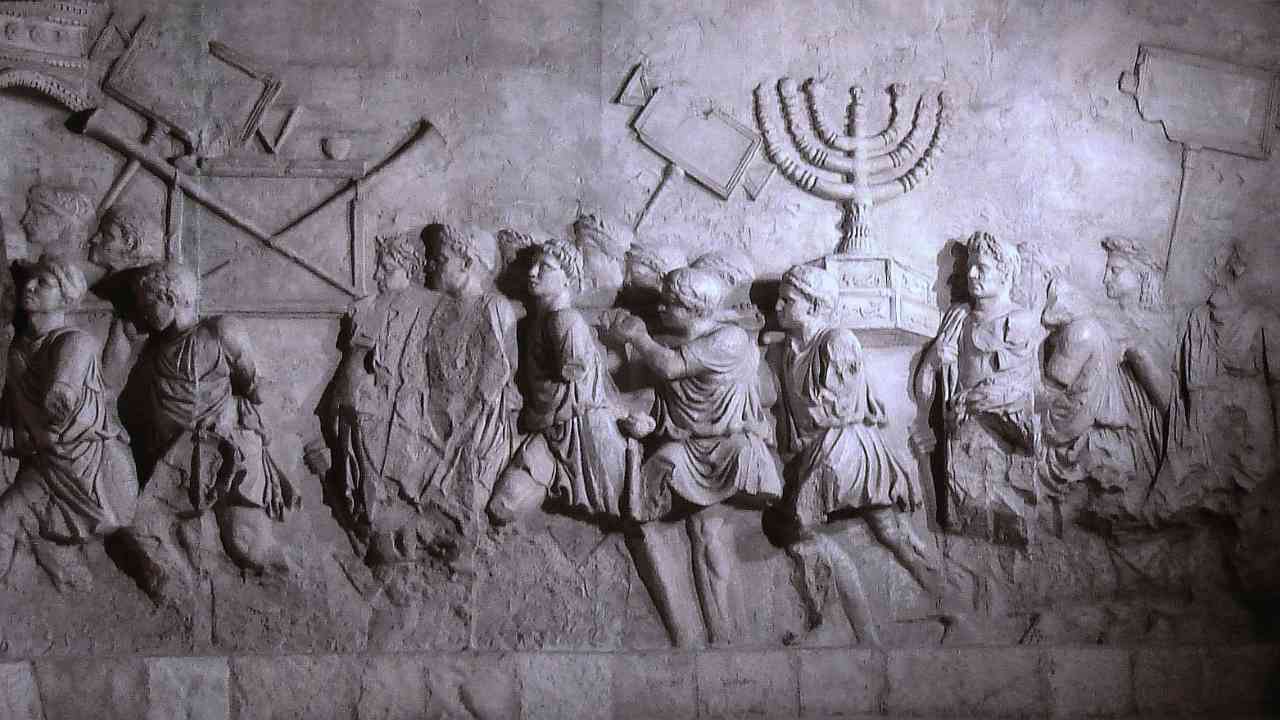
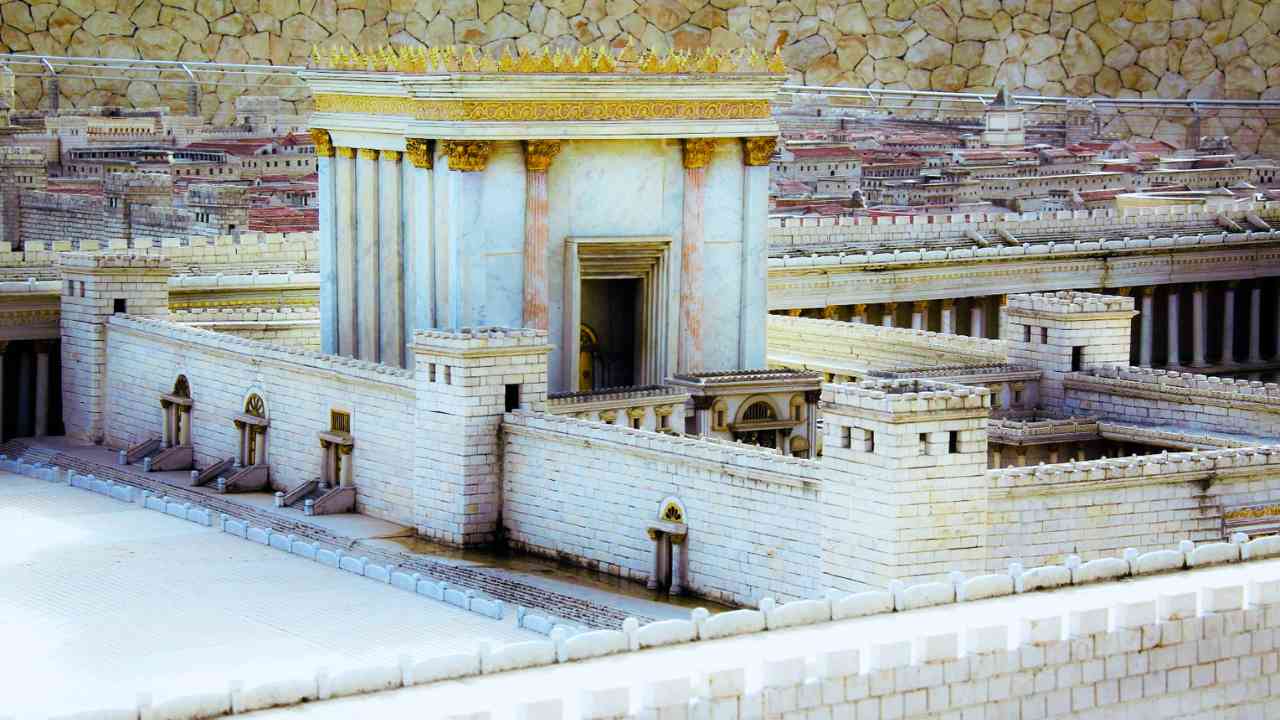
Less than 150 years after Israel’s conquest, Judah was overthrown, its capital Jerusalem was sacked, and the Jewish Temple was destroyed. Many inhabitants were exiled to Babylonia.
After the exile ended, the territory of the former kingdom of Judah remained the heart of Judaism for almost seven centuries.
Introduction of ‘Palestine’:
In AD 135, after a failed Jewish revolt, Roman Emperor Hadrian renamed the city and surrounding territory as “Syria-Palestina.” The name “Palestina” was derived from the coastal territory of the ancient Philistines, adversaries of the Israelites.
Following the Islamic conquest in the seventh century, Arab peoples began to settle in the former “Palestina.” The land remained predominantly under Muslim control for nearly 1,200 years, with a significant Arab population.
Zionism and British Control:
In the late 19th century, the Zionist movement emerged, driven by the desire of Jews in the Diaspora to return to their ancestral land. This movement was fueled by increasing anti-Semitism in Europe and Russia.
The land was under the Ottoman empire’s control and was divided into three administrative regions, none named “Palestine.”
In 1917, the British took control, and in 1923, “Mandatory Palestine” was established, which also included present-day Jordan.
State of Israel:
In November 1947, the United Nations General Assembly passed Resolution 181, proposing the partition of the land into “Independent Arab and Jewish States.” The Arab side rejected the resolution.
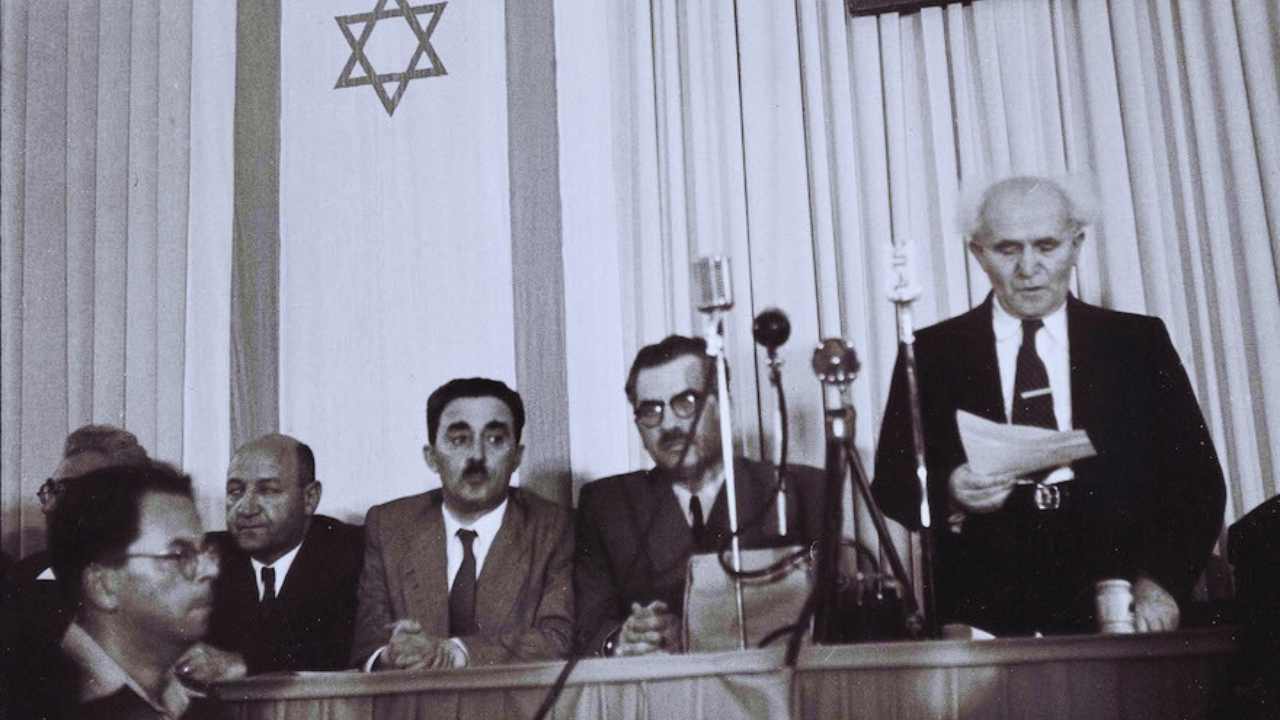
On May 14, 1948, the Zionist leadership declared the establishment of the state of Israel. The new state faced immediate invasion by several Arab countries and Palestinian militias.
Conclusion:
The historical ties to the land are intricate. The term “Israel” predates “Palestine” by over a millennium. However, both Jews and Arabs have deep-rooted historical and cultural claims to the region. The Israeli-Palestinian conflict has witnessed numerous wrongs and brutalities on both sides, making the path to peace challenging. Recognizing the shared history and legitimate claims of both parties is crucial for understanding the complexities of the issue.
The question of whether Israel is committing collective punishment in the current war in Gaza has been a topic of international concern and debate. Various organizations and entities have weighed in on this issue, presenting evidence and arguments to support their perspectives. This article aims to provide a well-thought-out, fact-based, and detailed examination of the topic.
Background:
The term “collective punishment” refers to the punishment of a group for the actions of one or more of its members. This form of punishment is considered a violation of international law, particularly the Fourth Geneva Convention, which prohibits the punishment of an individual or group for an offense they did not personally commit.
Evidence and Perspectives:
United Nations’ Stance:
A group of independent United Nations experts condemned the violence against civilians in Israel and deplored the “collective punishment” of reprisal strikes against Gaza. The UN has consistently emphasized that collective punishment is a violation of international law. Source
Amnesty International’s View:
Amnesty International has called for Israel to lift the “illegal and inhumane blockade on Gaza.” The organization has stated that the collective punishment of civilians in Gaza will not bring justice to the victims of war crimes by Hamas and other armed groups. Source
Statements from Other International Bodies:
The UN has urged Israel to cease its ‘collective punishment’ of the entire population of Gaza. “Collective punishment is a war crime,” warned Shamdasani. Source
During a Security Council meeting, speakers emphasized that civilians in Gaza must not be the target of collective punishment. Source
Reasons Supporting the Claim that Israel is Committing Collective Punishment:
Reprisal Strikes: The UN experts have condemned the reprisal strikes against Gaza, terming them as “collective punishment.”
Blockade on Gaza: Amnesty International has highlighted the blockade on Gaza as a form of collective punishment, which affects the entire civilian population.
Statements from International Bodies: Various international bodies, including the UN, have warned against the collective punishment of the entire population of Gaza.
Violation of International Law: Collective punishment is considered a violation of the Fourth Geneva Convention. The actions taken against the entire population, such as blockades and strikes, can be seen as a form of collective punishment.
Conclusion:
The issue of collective punishment in the current war in Gaza is complex and multifaceted. While there are strong arguments and evidence suggesting that Israel is committing collective punishment, it is essential to approach the topic with an open mind and consider all perspectives. The international community continues to monitor the situation closely, emphasizing the importance of upholding human rights and international law.
The Israel-Palestine conflict, with its deep-rooted historical, political, and religious complexities, has been one of the most protracted and contentious issues in modern history. Achieving a lasting peace requires a multifaceted approach that addresses the core grievances of both sides. Here are some potential steps that could pave the way for a sustainable resolution:
Two-State Solution:
The idea of establishing two separate states for Israelis and Palestinians has been the cornerstone of peace negotiations for decades. This would involve recognizing the state of Israel and a sovereign Palestinian state existing side by side in peace.
Jerusalem as a Shared Capital:
Given the religious significance of Jerusalem to both Jews and Muslims, a potential solution could involve recognizing it as the capital of both Israel and Palestine, with special administrative arrangements to ensure freedom of worship and access to holy sites.
Right of Return and Compensation:
Addressing the Palestinian refugees’ right of return is crucial. While it may be challenging to allow all refugees to return to their original homes, a combination of compensation, resettlement in a future Palestinian state, and limited return to Israel could be explored.
Security Assurances:
Israel’s security concerns, given the history of attacks, need to be addressed. This could involve demilitarizing the Palestinian state, international peacekeeping forces, and mutual defense pacts.
Economic Cooperation:
Economic interdependence can be a significant peace driver. Joint economic zones, shared resources management (like water), and trade agreements can foster cooperation and mutual benefits.
Settlements:
The issue of Israeli settlements in the West Bank is contentious. A potential solution could involve land swaps, where Israel annexes major settlement blocs in exchange for giving Palestine other territories in return.
Education and Cultural Exchange:
Promoting understanding and empathy between Israelis and Palestinians is crucial. This can be achieved through joint educational programs, cultural exchanges, and initiatives that highlight shared histories and values.
International Mediation:
Neutral international mediators, such as the United Nations, European Union, or other third-party countries, can play a pivotal role in facilitating dialogue and negotiations.
Regional Involvement:
Neighbouring countries, especially those like Egypt and Jordan, which have peace treaties with Israel, can play a constructive role in mediating and ensuring regional stability.
Civil Society Engagement:
Grassroots movements and civil society organizations can play a significant role in peacebuilding. Encouraging dialogue and cooperation at the community level can foster trust and understanding.
Addressing Historical Grievances:
Recognizing and addressing past injustices, possibly through truth and reconciliation commissions, can help both sides move forward.
Continuous Dialogue:
Even after a peace agreement, continuous dialogue is essential to address emerging issues and prevent the resurgence of hostilities.
In conclusion, achieving lasting peace between Israel and Palestine requires a holistic approach that addresses the multifaceted complexities of the conflict. While the road to peace is challenging, with mutual respect, understanding, and the international community’s support, a sustainable resolution is attainable.
The 2023 Israel–Hamas war, also referred to by some as the “Sukkot War”, is a significant escalation in the longstanding Israeli-Palestinian conflict. The war began on 7 October 2023 with a coordinated surprise offensive by Palestinian militant groups led by Hamas against Israel. Here’s a detailed breakdown of the events leading up to and during the war:
Origins of the Conflict:
The conflict between Israel and Palestinian groups, especially Hamas, has deep historical roots. The Gaza Strip and Israel have been in conflict since the Israeli withdrawal from Gaza in 2005, followed by Hamas’s victory in the 2006 Palestinian legislative elections and its subsequent takeover of Gaza in 2007. This led to an extensive blockade of the Gaza Strip by both Israel and Egypt. The blockade, which Israel defends as a necessary measure against “terrorism”, has been criticized by international rights groups as collective punishment.
Immediate Precursors to the War:
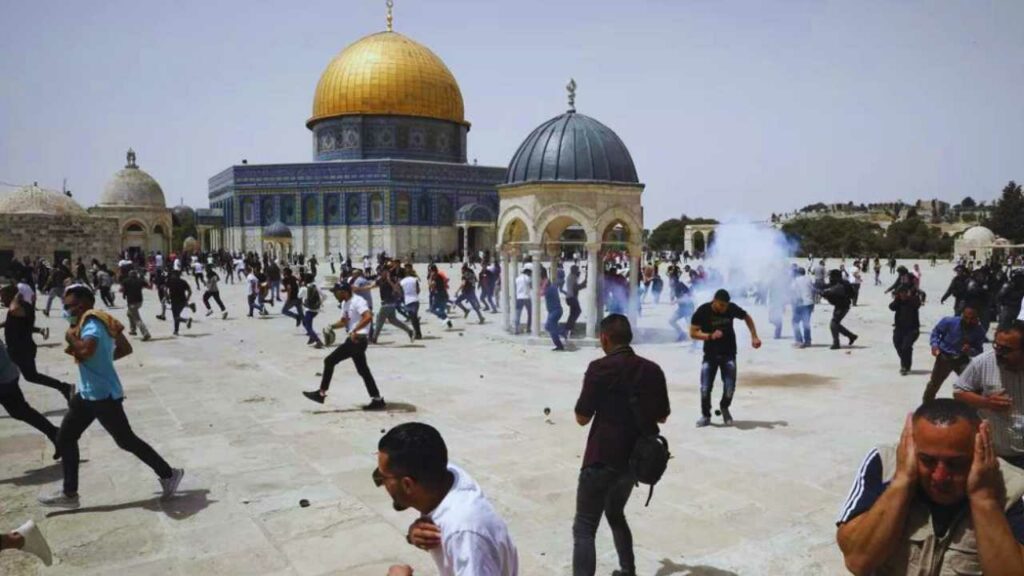
Several events in 2023 heightened tensions between Israel and Hamas. There were violent clashes around the Al-Aqsa Mosque, a significant religious site in Jerusalem, and an increase in settler attacks that displaced many Palestinians. In September 2023, Israel discovered explosives in a shipment of jeans from Gaza, leading to heightened tensions. Days before the major attack, Egypt reportedly warned Israel of an impending “explosion” of the situation.
The Outbreak of War:
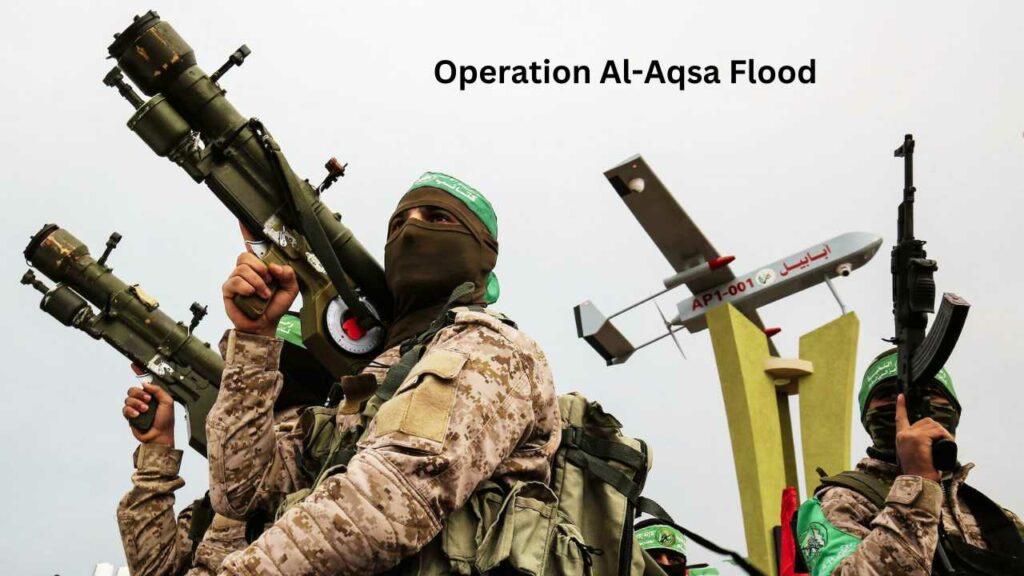
On 7 October 2023, Hamas launched what it termed “Operation Al-Aqsa Flood”, firing over 5,000 rockets into Israel from the Gaza Strip within a 20-minute span. Simultaneously, around 2,500 Palestinian militants infiltrated Israel, attacking military bases and massacring civilians in neighboring Israeli communities. The most devastating of these was the massacre of 260 people at an outdoor music festival near Re’im. Israel responded with retaliatory strikes and formally declared war on Hamas the following day.
Hamas cited several reasons for their attacks, including the blockade on Gaza, continued Israeli settlements, settler violence, the desecration of the Al-Aqsa Mosque, and restrictions on movement between Israel and Gaza.
International Response:
The international community had varied reactions. At least 44 countries denounced Hamas’s actions as terrorism. However, many Middle Eastern countries pointed to Israel’s longstanding occupation of Palestinian territories as the root cause of the conflict. The United Nations and numerous countries called for an immediate ceasefire, and human rights groups expressed concerns about potential war crimes committed by both sides.
Conclusion:
The 2023 Israel–Hamas war is a tragic escalation in a conflict with deep historical roots. As the war continues, the international community grapples with how to respond and mediate a resolution that addresses the longstanding grievances of both sides.
In the ever-evolving landscape of wealth and innovation, 2023 has unveiled a roster of billionaires that both confirms and defies our expectations. From tech moguls solidifying their dominance to surprising newcomers making their mark, this year’s Forbes’ 400 Richest People in America list is a testament to ambition, persistence, and the relentless spirit of enterprise. As we delve into the top 10 jaw-dropping facts, prepare to be both inspired and astounded by the tales of those who’ve reached the pinnacle of financial success.
Richest People in America 2023
1Elon’s Empire
Despite setting a Guinness World Record for losing the most wealth ever, Elon Musk, the tech genius behind Tesla and SpaceX, reigns supreme at No. 1 with a staggering net worth of $251 billion!
2Tech Titans Rule
The top 10 list is dominated by tech moguls. From Microsoft’s Bill Gates to Facebook’s Mark Zuckerberg, these tech giants have secured their spots in the top echelons of wealth.
3Basketball Billionaire
Former NBA star Michael Jordan slam dunks his way onto the list at No. 379, boasting a net worth of $3 billion, thanks to his sale of the Charlotte Hornets.
4Age is Just a Number
The top 10 richest range in age from 39 to 93, proving that wealth knows no age boundaries.
5Where Are The Women?
While the top 10 list lacks female representation, three powerful women make their mark in the top 20. Alice Walton, daughter of Walmart’s founder, shines at No. 14 with a net worth of $66.5 billion.
6Youngest and Richest
Lukas Walton, another heir to the Walmart fortune, is the youngest on the list at 37 years old, with a net worth of $24.2 billion.
7A Century of Success
The eldest member of the 400 list is David Murdock, former chairman of Dole Food Products, who at 100 years old has a net worth of $3.4 billion.
8Notable Absentees
Some big names missed the cut this year, including former president Donald Trump and Snapchat co-founders Evan Spiegel and Bobby Murphy.
9Top 10 Wealth Breakdown
Dive into the immense wealth of the top 10, from Elon Musk’s $251 billion to Michael Bloomberg’s $96.3 billion.
10For the Full Experience
Hungry for more? Dive into Forbes’ full list to satiate your curiosity about America’s richest!
Pumpkin seeds, often known as pepitas, aren’t just for Halloween! These little green gems have been gracing our diets for thousands of years. Originating from the Americas, ancient civilizations already realized the worth of these seeds, and they have become a staple in various cuisines around the world. From being sprinkled on salads to roasted as a crunchy snack, their versatility in the kitchen is matched only by their nutritional benefits.
Why Pumpkin Seeds Are So Good For You
Nutritional Profile:
Imagine packing protein, healthy fats, essential vitamins, and minerals all into one tiny seed! That’s the power of pumpkin seeds. Here’s a brief overview:
Macronutrients: Each seed is a mini-package of proteins that help in muscle building, healthy unsaturated fats that nourish our hearts, and a sprinkle of carbohydrates for energy.
Micronutrients: Vitamin E, known for its antioxidant properties, shines brightly here, along with Vitamin K which plays a crucial role in blood clotting. As for minerals, pumpkin seeds are a treasure trove. Think magnesium for heart health, manganese for bone development, zinc for immunity, and iron for transporting oxygen in our blood.
Phytochemicals: Beyond vitamins and minerals, these seeds carry powerful antioxidants. They’re nature’s way of ensuring we’re protected against the daily wear and tear our cells go through.
Health Benefits:
Buckle up, because pumpkin seeds come with a plethora of health benefits!
Heart Health: Our hearts beat around 100,000 times a day! Keeping it healthy is essential. Magnesium, antioxidants, and unsaturated fats in pumpkin seeds lend a helping hand in this.
Blood Sugar Regulation: There’s emerging research suggesting these seeds might be helpful allies in the battle against diabetes, assisting in keeping blood sugar levels stable.
Digestive Health: That feeling of a happy tummy after a meal? Dietary fibers play a big role, and pumpkin seeds are a good source.
Anti-Inflammatory Properties: Inflammation can be our body’s call for help against injuries, but too much can be harmful. Pumpkin seeds, with their rich antioxidant content, ensure this balance is maintained.
Bone Health: Just like a building needs strong pillars, our bodies require strong bones. The magnesium and zinc in pumpkin seeds are the unsung heroes ensuring our skeletal strength.
Mental Health and Sleep: Ever wondered why you feel sleepy after a Thanksgiving meal? Tryptophan, an amino acid found in pumpkin seeds, might be the reason. It’s a precursor to the “sleep hormone”, melatonin.
Prostate Health: Men, take note! Studies have shown some promising links between pumpkin seeds and a healthy prostate.
Anti-Cancer Properties: While research is ongoing, some studies have shown that pumpkin seeds might have properties that help in fending off certain types of cancers.
Culinary Uses:
Diverse in their benefits, pumpkin seeds are equally versatile in the kitchen. Sprinkle them on your morning oatmeal, blend them into pestos, or simply roast them with your favorite spices. Whether it’s in cookies, salads, or as a standalone snack, they add a delightful crunch and a nutritional boost.
Safety and Considerations:
Every superhero has its kryptonite, and foods are no different. While pumpkin seeds are a powerhouse of nutrition, it’s good to tread with a bit of caution:
Potential Allergies: A handful might not harm many, but for a select few, pumpkin seeds might trigger allergic reactions. Always be watchful of symptoms like itching, swelling, or difficulty breathing.
Interactions with Medications: While generally safe, pumpkin seeds might not play well with certain medications, especially those that affect blood pressure or blood sugar. It’s wise to have a chat with your doctor if you’re on such meds.
Moderation is Key: As with all foods, too much of a good thing isn’t always better. Enjoying pumpkin seeds in moderation ensures we reap the benefits without overdoing it.
Environmental and Sustainable Aspects:
A touch on the green side of things! Pumpkins, as a part of the squash family, play a role in sustainable agriculture. They help in:
Soil Health: Pumpkins and their sprawling vines act as a cover crop, reducing soil erosion and keeping the soil enriched.
Pollinator Attraction: Those bright pumpkin flowers? They’re a haven for pollinators, ensuring a bustling eco-activity in gardens and farms.
Waste Reduction: By valuing the seeds as much as the flesh, we make the most of the entire pumpkin, cutting down on food waste.
However, as with all agriculture, sustainable farming practices are paramount. Opting for organically grown pumpkin seeds can further support a healthier planet.
So Why Pumpkin Seeds Are So Good For You
Pumpkin seeds, the tiny powerhouses, are nature’s way of telling us that good things come in small packages. From their dense nutritional profile to the myriad of health benefits they offer, it’s evident that these seeds are more than just a seasonal treat. They’re a testament to the fact that when it comes to food, nature often knows best. So the next time you scoop out a pumpkin, think twice before discarding those precious seeds!