Author: Hyptor

  • Decoding the Conflict: Why Israel and Palestine Fight with Each Other

    Decoding the Conflict: Why Israel and Palestine Fight with Each Other

    Historical Claims:

    Both Jews and Arabs claim historical ties to the region known today as Israel and the Palestinian territories. Jews trace their roots back to the biblical kingdoms of David and Solomon, while Palestinians trace their lineage to the Canaanites and other ancient peoples.

    Religious Significance:

    Jerusalem, a city within the region, holds immense religious significance for Jews, Muslims, and Christians. The Western Wall, Al-Aqsa Mosque, and the Church of the Holy Sepulchre are all located here, making the city a focal point of the conflict.

    Zionist Movement:

    In the late 19th and early 20th centuries, the Zionist movement sought to establish a national homeland for Jews in Palestine. This led to increased Jewish immigration to the region.

    British Mandate:

    After World War I, the League of Nations granted Britain the mandate to govern Palestine. The Balfour Declaration, issued by Britain in 1917, supported the establishment of a “national home for the Jewish people” in Palestine, leading to tensions between Jews and Arabs.

    UN Partition Plan:

    In 1947, the United Nations proposed a plan to partition Palestine into separate Jewish and Arab states, with Jerusalem under international administration. The Jewish leadership accepted the plan, but the Arab leadership did not.

    Creation of Israel:
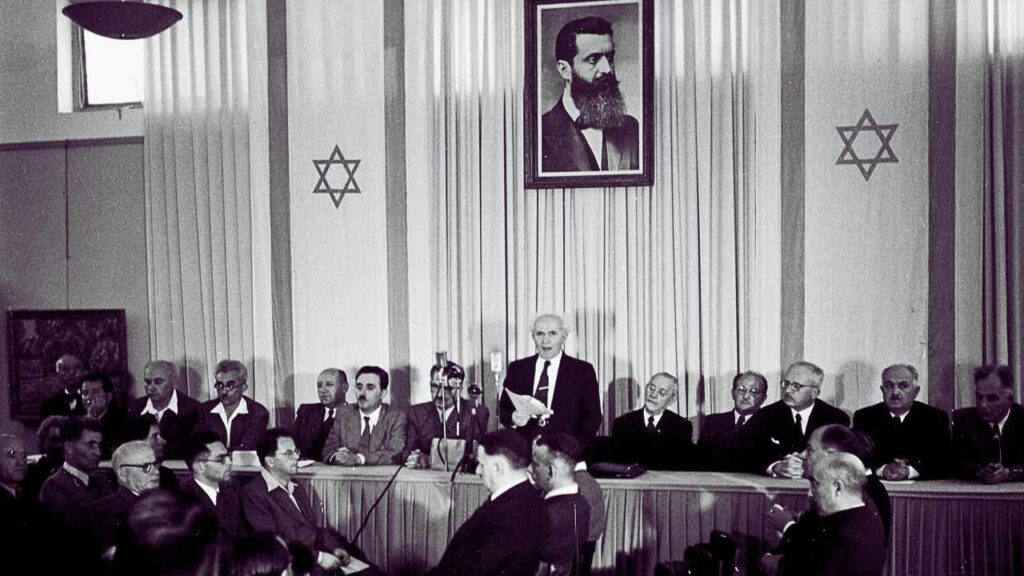
    In 1948, the State of Israel was declared. This led to the first Arab-Israeli war, with neighboring Arab states invading Israel. The war ended with armistice lines, often referred to as the Green Line.

    Territorial Disputes:

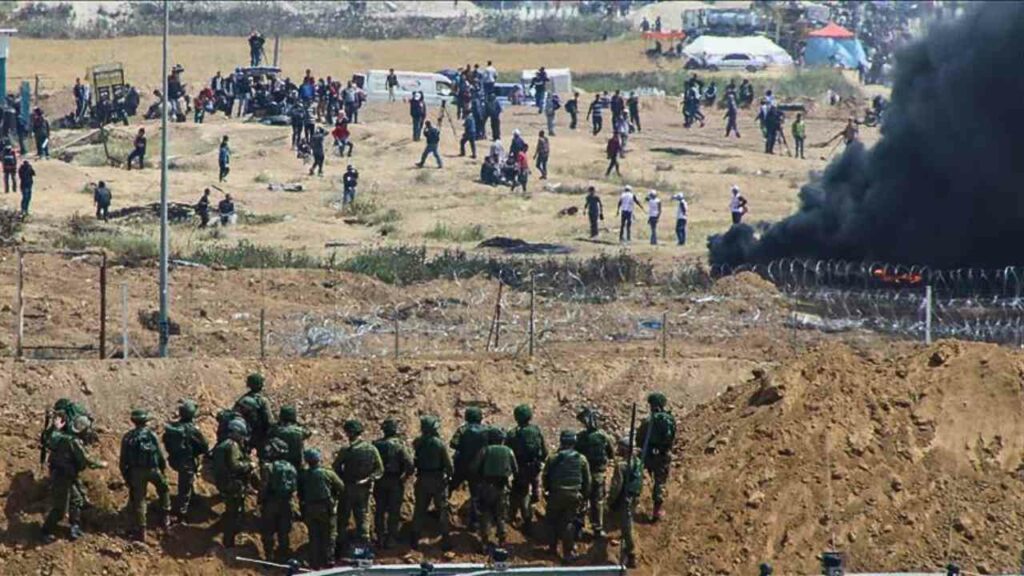
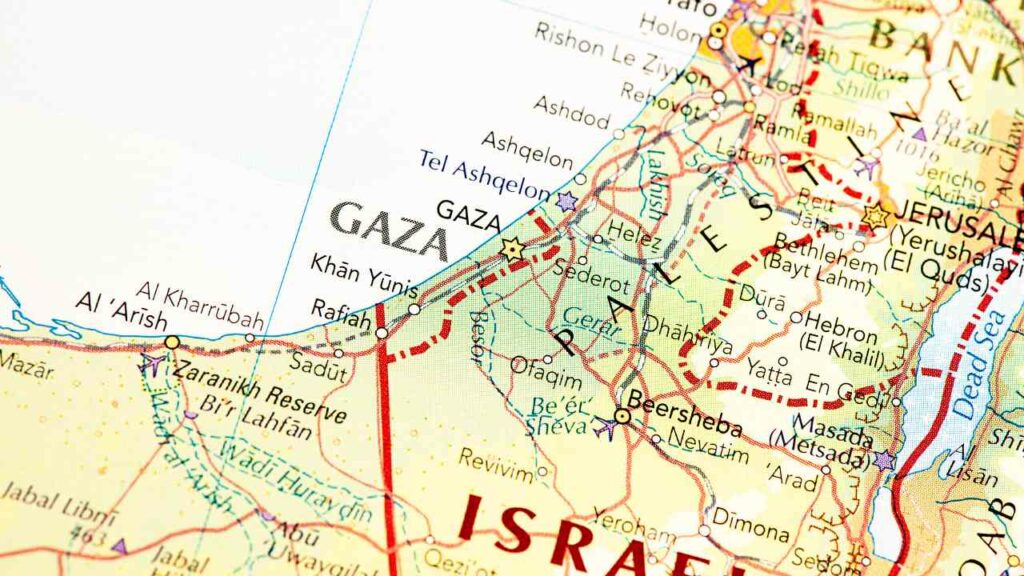
    Wars in 1956, 1967, 1973, and other skirmishes led to changes in territorial control, with Israel capturing areas like the West Bank, Gaza Strip, and East Jerusalem. These territories are still points of contention today.

    Palestinian Refugees:
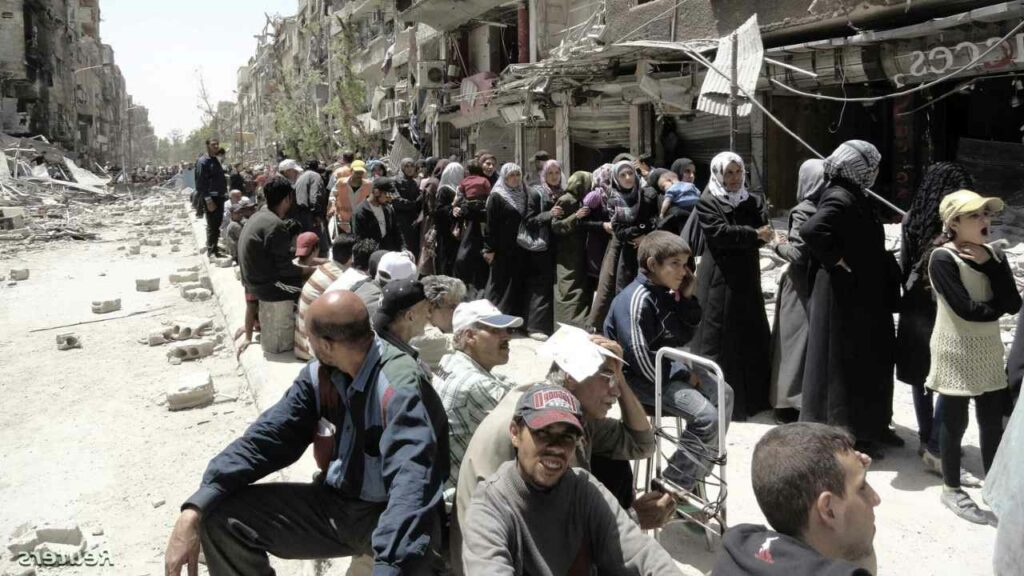
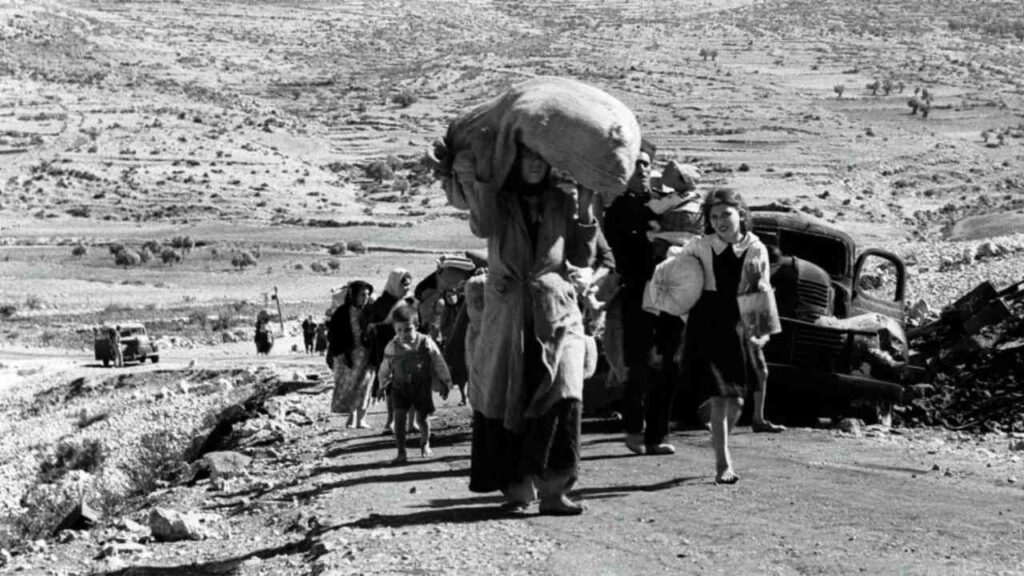
    The wars led to the displacement of a large number of Palestinians, who became refugees. The right of return for these refugees is a major point of dispute.

    Settlements:

    Israel’s establishment of settlements in the West Bank and East Jerusalem is seen by Palestinians as an occupation of their land and is considered illegal under international law, though Israel disputes this.

    Security Concerns:

    Due to historical conflicts, both sides have deep-seated security concerns. Israel cites the need to protect its citizens from attacks, while Palestinians seek protection from Israeli military actions.
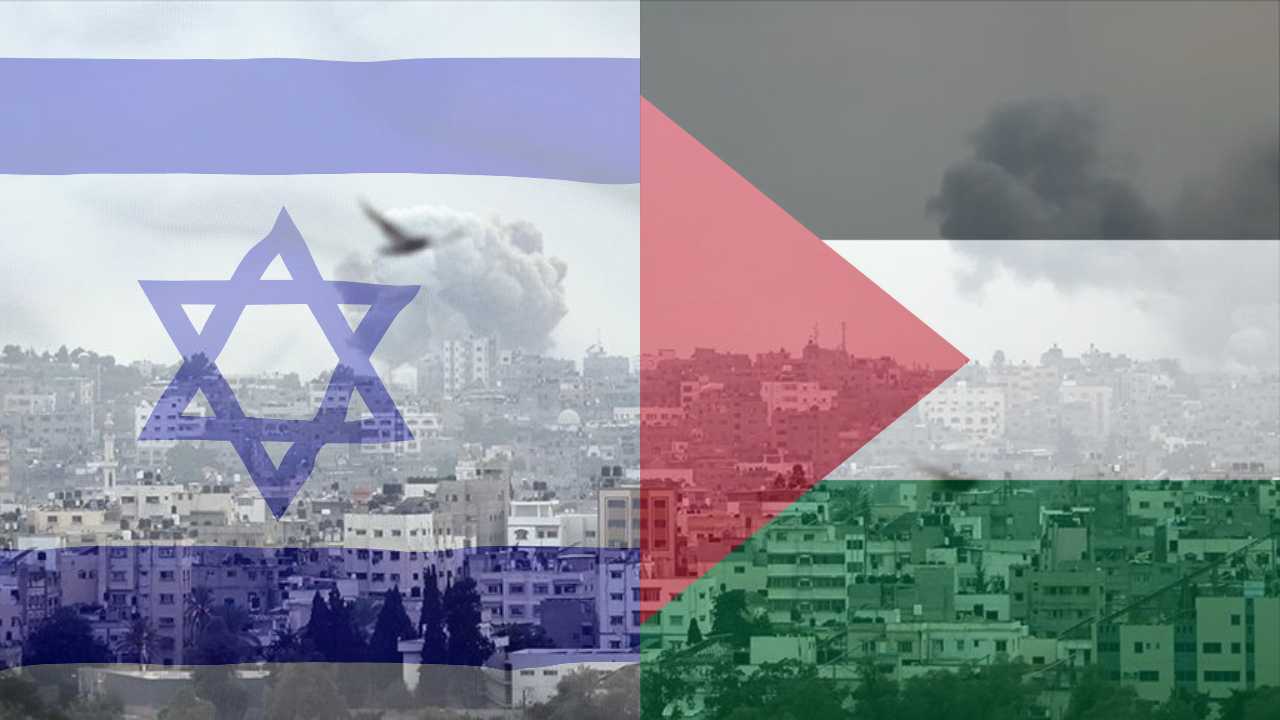

  • Behind the Headlines: What Started the Israel Palestine Conflict in 2023?

    Behind the Headlines: What Started the Israel Palestine Conflict in 2023?

    Historical Roots:

    Both Israelis and Palestinians have deep historical ties to the region. Israel’s creation in 1948 provided a haven for Jews, while Palestinians view it as the Nakba, or catastrophe, leading to their displacement.

    Jerusalem’s Significance:

    Jerusalem holds religious importance for Jews, Muslims, and Christians. The status of the city, especially East Jerusalem, remains a contentious issue.

    Refugee Crisis:

    The 1948 war led to the displacement of around 700,000 Palestinians. The right of return for these refugees and their descendants remains a major point of dispute.

    Territorial Wars:

    Wars in 1967 and 1973 resulted in Israel capturing territories like the West Bank and Gaza Strip. The status of these territories is still debated.

    Settlements:

    Israel’s establishment of settlements in the West Bank is considered illegal under international law by most countries. Their expansion remains a contentious issue.

    Peace Efforts:

    Various peace initiatives, like the Oslo Accords and the Camp David summit, have been attempted but have not resulted in a lasting solution.

    Two-State Solution:

    The vision of a Palestinian state alongside Israel is supported by many but has challenges, including Hamas’s rejection of Israel’s right to exist.

    U.S. Policy Shifts:

    The U.S. policy has seen changes, with the Trump administration not endorsing the two-state solution and recognizing Jerusalem as Israel’s capital.

    Regional Dynamics:

    The broader Middle East dynamics, including relations between Israel and Arab states, play a role in the conflict.

    Recent Conflicts:

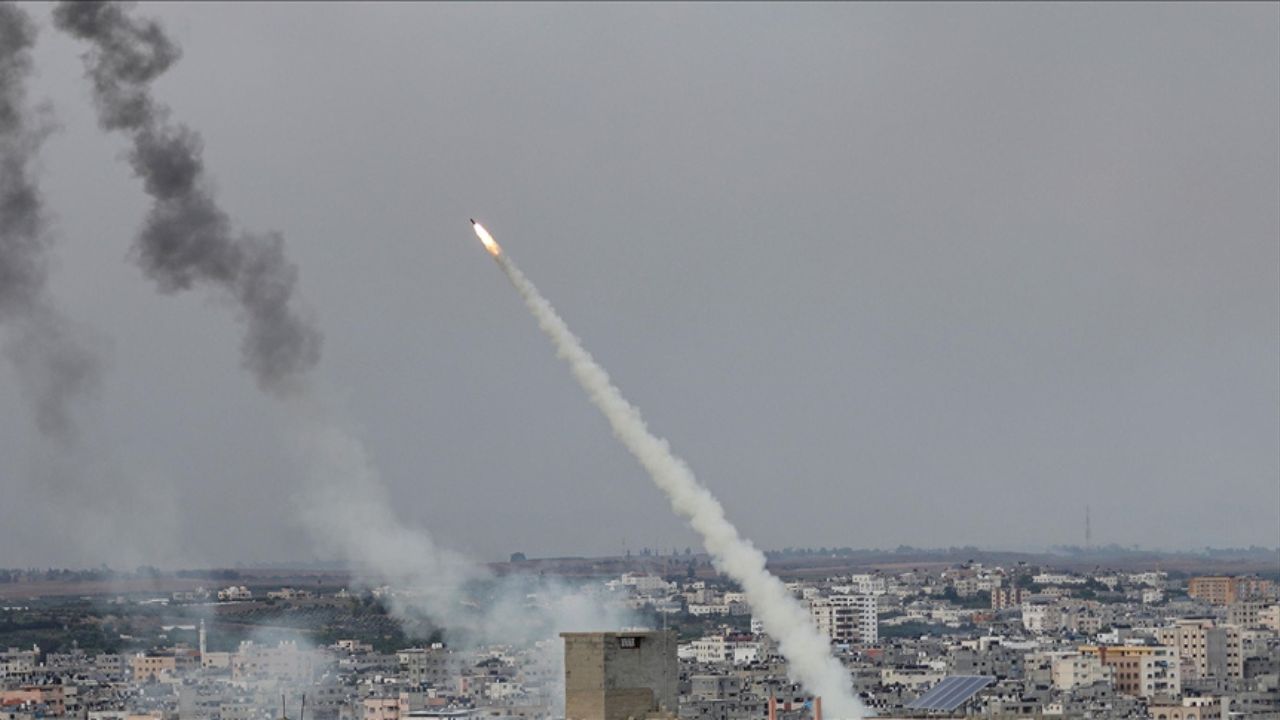
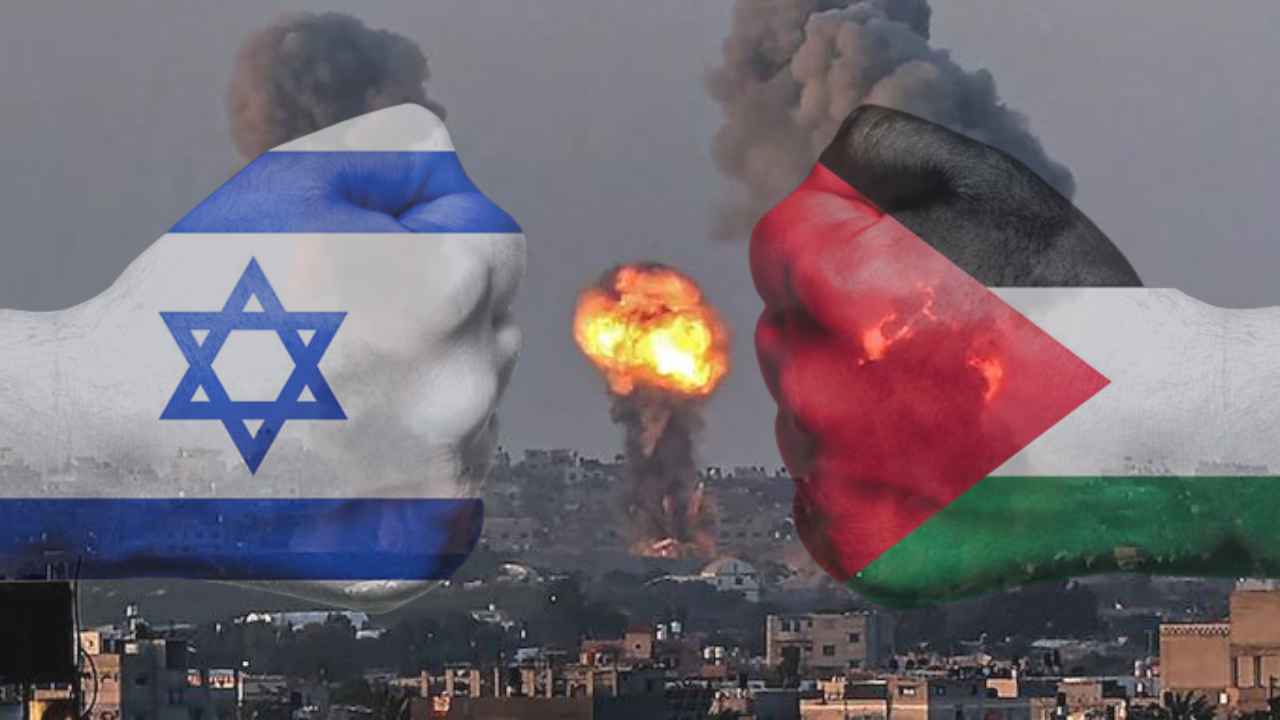
    The surprise attack by Hamas in 2023 is the latest in a series of confrontations, highlighting the volatile nature of the situation.

    Sources:

  • Top 10 Reasons: Why did Hamas Attack Israel 2023?

    Top 10 Reasons: Why did Hamas Attack Israel 2023?

    1. Retribution for Perceived Offences:

    Hamas cited the attack as retribution for what they described as attacks on women, the desecration of the al-Aqsa mosque in Jerusalem, and the ongoing siege of Gaza.

    2. Shaking the Status Quo:

    The attack aimed to disrupt the prevailing status quo, where Israel maintains a tight siege on Gaza, and the vision of an independent Palestinian state remains distant.

    3. Regional Dynamics:

    The attack may have been an attempt to bring the Palestinian issue back to the regional and international forefront, especially with the rise of Saudi-Israel normalization talks.

    4. Showcasing Military Capabilities:

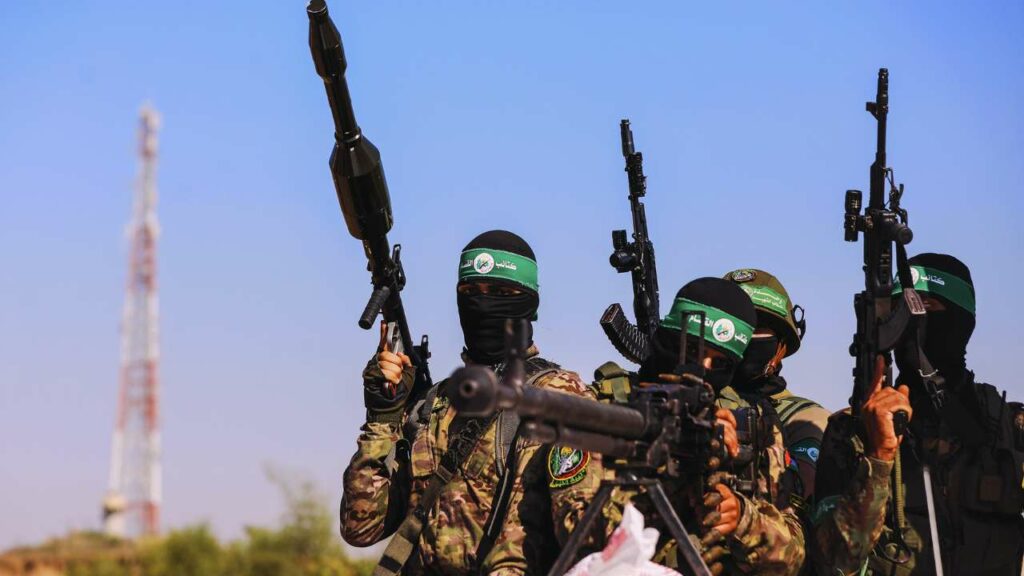
    The scale and tactics of the attack were a clear demonstration of Hamas’s military capabilities, signaling to Israel and the world that they should be taken more seriously.

    5. Political Messaging:

    The attack served as a political message to Palestinians, contrasting Hamas’s aggressive stance with the Palestinian Authority’s more passive approach.

    6. Propaganda and Perception:

    Hamas’s use of propaganda videos and bodycams aimed to instill fear among the Israeli public and showcase their operations, serving both international and domestic audiences.

    7. Hostage Strategy:

    The abduction of a significant number of hostages, including civilians, indicated that Hamas was aiming for more than just a prisoner swap, seeking longer-term political implications.

    8. Existential Warfare:

    The large-scale offensive suggested that Hamas viewed the upcoming confrontations as potentially existential, preparing for an all-out war.

    9. Regional Backing:

    Speculations arose that Hamas might have been promised regional support by its allies if a full-scale conflict ensued.

    10. Multi-Front Strategy:

    Hamas’s strategy was based on a multi-front conflict, leveraging support from Gaza, Jerusalem, the West Bank, Arab citizens of Israel, and potentially southern Lebanon.


    Sources:

  • 10 Shocking Reasons Why Israel Was Caught Off Guard by the Hamas Attack

    10 Shocking Reasons Why Israel Was Caught Off Guard by the Hamas Attack

    1. Deceptive Strategies:

    Hamas executed a careful campaign of deception, ensuring Israel was unprepared for the assault. They portrayed an image of being uninterested in military confrontations while secretly preparing for a massive operation.

    2. Misreading Signals:

    Israel misinterpreted Hamas’s military drills as mere posturing. Even when Hamas constructed a mock Israeli settlement in Gaza for training, Israel believed it was just for show.

    3. Economic Distractions:

    Israel believed that by providing economic incentives to Gazan workers, they were containing a war-weary Hamas. This misconception led them to think that Hamas was more focused on the economy than on military operations.

    4. Communication Failures:

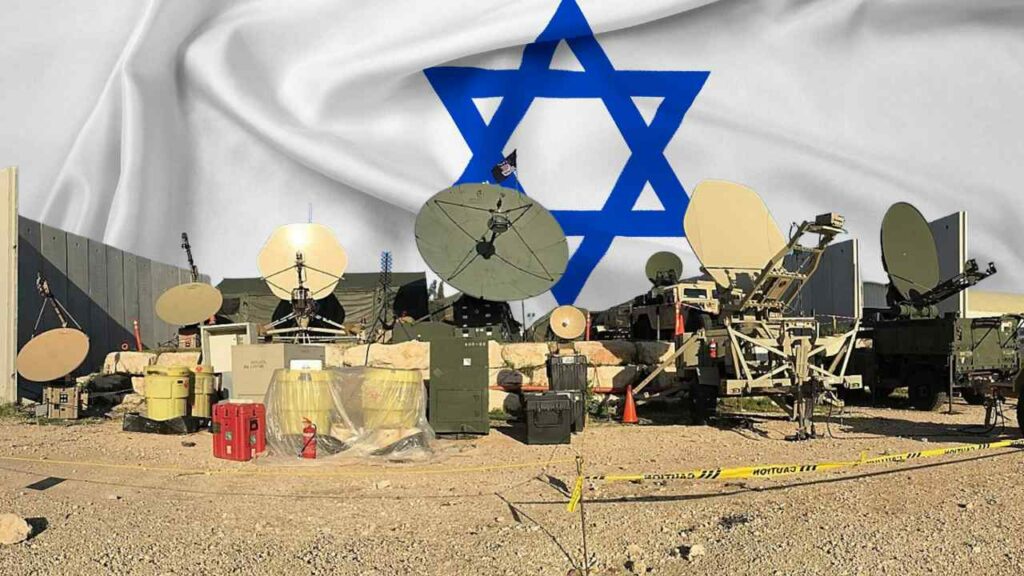
    On the day of the attack, Hamas disrupted Israeli military communication stations, preventing personnel from coordinating or calling for backup.

    5. Underestimation of Hamas’s Capabilities:

    Israel underestimated the extent of Hamas’s planning and capabilities, leading to a severe breach in their defenses.

    6. Overconfidence in Intelligence:

    Israel’s confidence in its intelligence capabilities made it complacent, missing out on crucial signs of an impending attack.

    7. Distraction from Other Threats:

    Israel’s focus on other potential threats, like violence in the West Bank, led to a reduced military presence near Gaza, which Hamas exploited.

    8. Failure to Anticipate the Scale:

    While there might have been some warnings, neither Israel nor other Western intelligence agencies anticipated the scale and complexity of the Hamas attack.

    9. Public Mockery:

    Hamas’s restraint from military operations against Israel in the past led to public criticism, further convincing Israel that Hamas was not interested in a confrontation.

    10. Overreliance on Economic Incentives:

    Israel believed that by allowing Gazans to work in Israel and bring money into Gaza, they were ensuring peace. This turned out to be a grave miscalculation.