Category: Featured

  • Mirror, Mirror in the Brain: The Mystery of Seeing Yourself in Others

    Mirror, Mirror in the Brain: The Mystery of Seeing Yourself in Others

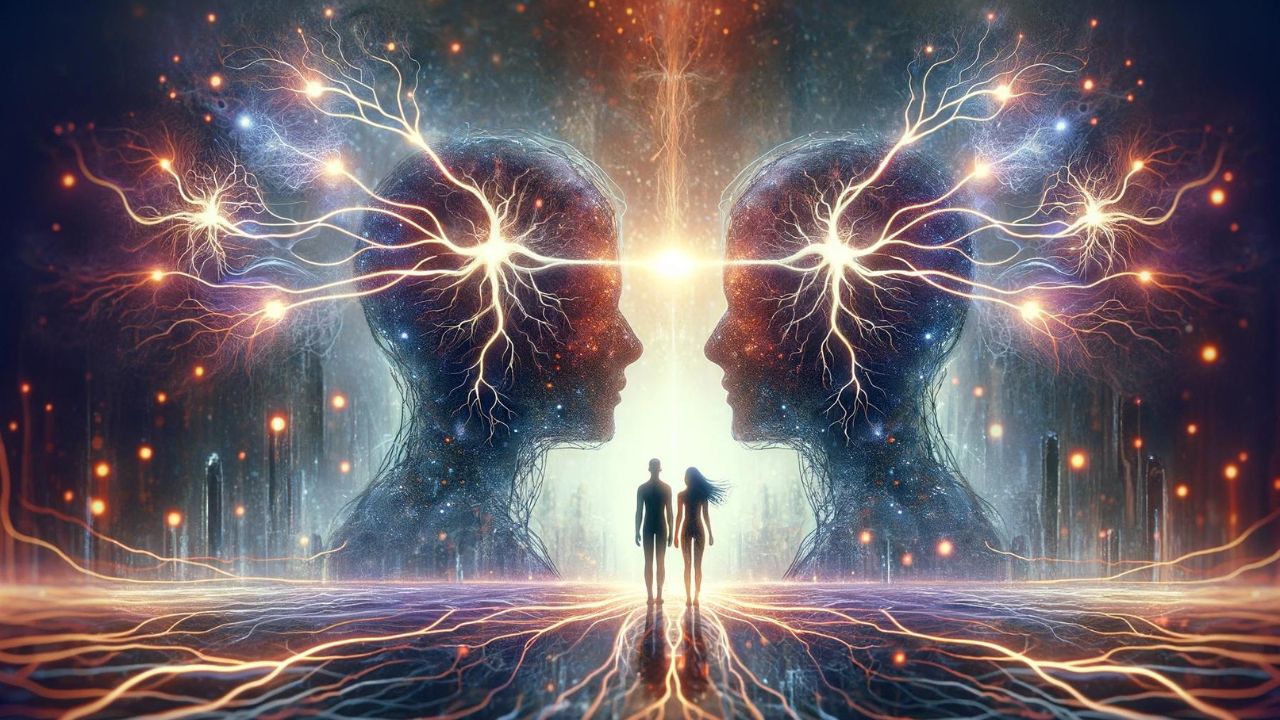
    Have you ever caught yourself mimicking the gestures of a friend during a conversation, or felt an instant pang of sadness when seeing someone else in distress? This phenomenon, where we see a reflection of ourselves in others, is rooted in a fascinating feature of the brain known as mirror neurons. Let’s delve into the science behind empathy, imitation, and how we understand others’ emotions, shedding light on the mystery of seeing ourselves in the people around us.

    The Discovery of Mirror Neurons
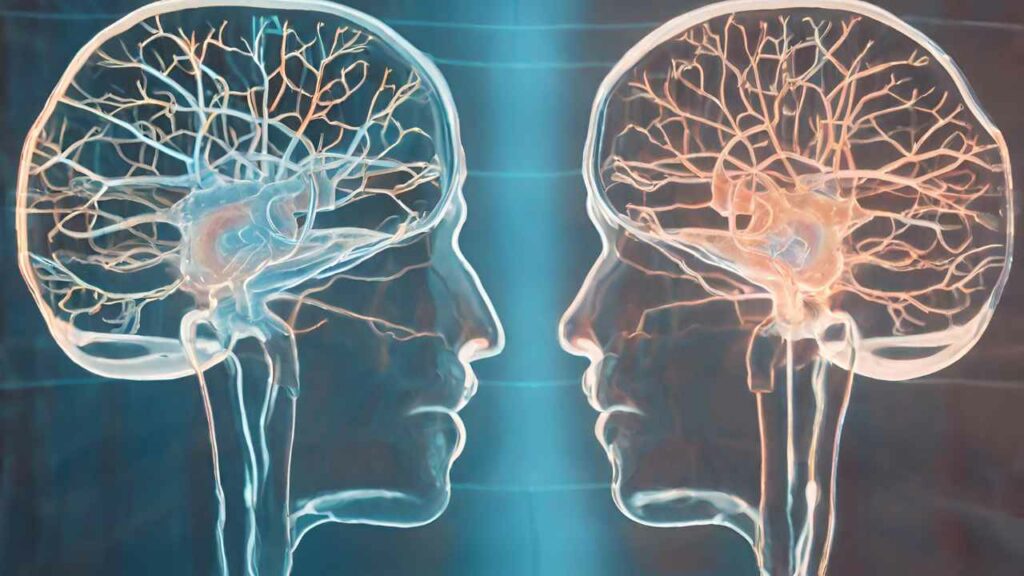
    Mirror neurons

    Mirror neurons were first discovered in the 1990s by neuroscientists observing the brains of monkeys. They noticed that certain neurons fired both when the monkey performed an action and when it observed the same action performed by someone else. This groundbreaking discovery suggested that these neurons “mirror” the behavior of others, playing a crucial role in our ability to understand and empathize with those around us.

    The Role of Mirror Neurons in Humans
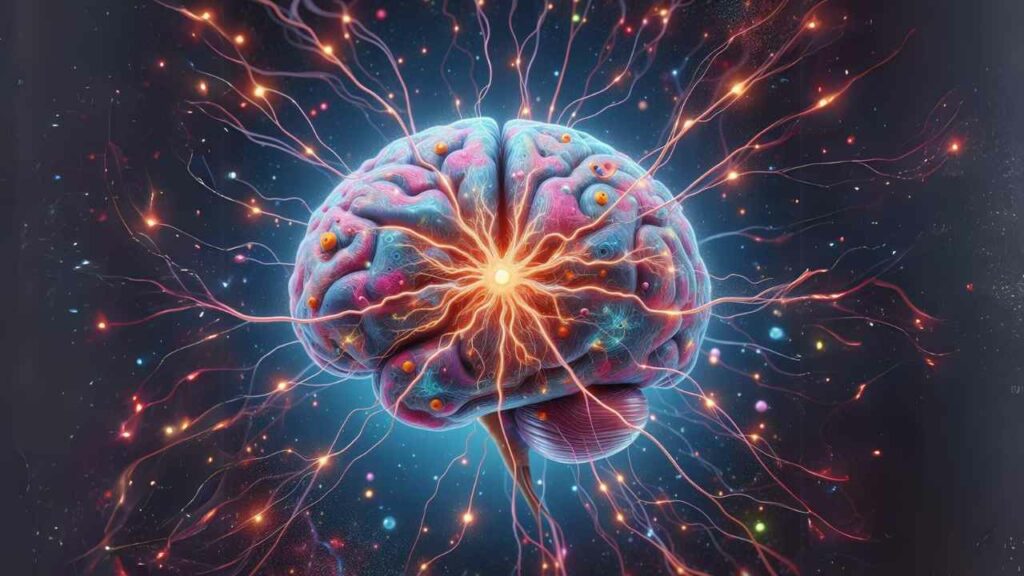
    role of Mirror neuron

    In humans, mirror neurons contribute to our capacity for empathy, enabling us to feel what others feel and understand their intentions and emotions. When we see someone smile, frown, or express fear, our mirror neurons activate, creating an internal echo of that emotion. This mirroring mechanism is why we might wince when we see someone get hurt or feel joyful at another’s happiness.

    Imitation: The First Form of Learning

    Imitation is not just a form of flattery; it’s a fundamental way we learn and navigate the social world. From infancy, we mimic the facial expressions, gestures, and speech patterns of those around us, a process underpinned by mirror neurons. This mimicry helps us bond with caregivers, learn social norms, and develop language and social skills. It’s as if our brains are programmed to copy and paste information from the environment to aid in our development.

    Empathy: Feeling with Others

    Empathy: Feeling with Others

    Empathy, the ability to understand and share the feelings of another, is deeply tied to the function of mirror neurons. These neurons allow us to not just recognize emotions in others but to internally simulate those emotions, bridging the gap between personal experience and shared understanding. This empathic resonance is what makes us human, fostering social bonds and cooperative behavior.

    The Dark Side of Mirroring

    While mirror neurons facilitate connection and understanding, they can also lead to emotional contagion, where we unconsciously catch the emotions of those around us, for better or worse. This phenomenon highlights the importance of emotional boundaries and the ability to distinguish between our own feelings and those mirrored from others.

    Cultivating Compassion and Understanding

    Understanding the role of mirror neurons in empathy and imitation offers valuable insights into human behavior and relationships. By recognizing the neural basis of our connection to others, we can cultivate compassion, improve our communication skills, and deepen our relationships. It’s a reminder that, at our core, we are wired to connect, understand, and care for one another.

  • 10 Strange Things That Will Melt Your Mind (But Not Your Ice Cream… Hopefully)

    10 Strange Things That Will Melt Your Mind (But Not Your Ice Cream… Hopefully)

    Ready to have your brain tickled and your worldview tilted slightly off its axis? Buckle up, because we’re diving into 10 strange facts that are guaranteed to spark conversation, impress your friends, and maybe even leave you questioning everything you thought you knew.

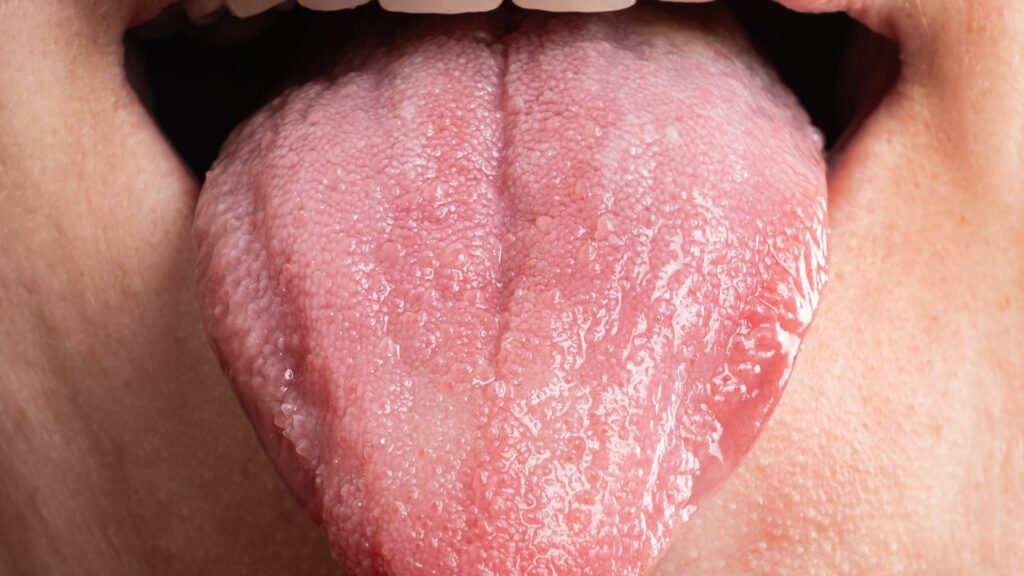
    1 Your tongue is a topographical map

    Your tongue is a topographical map

    Yep, those bumpy bits aren’t just for show. Each bump corresponds to a different region of your body, meaning your tongue is basically a tiny, edible Earth! Next time you indulge in a delicious dessert, think of it as geographical exploration.

    2 Honey never goes bad

    Honey never goes bad

    This golden nectar is practically immortal. Archaeologists have discovered honey pots in Egyptian tombs that are over 3,000 years old and still perfectly edible.expand_more So, don’t toss out that jar in the back of the cupboard – it might be an antique!

    3 Shrimp can sleepwalk

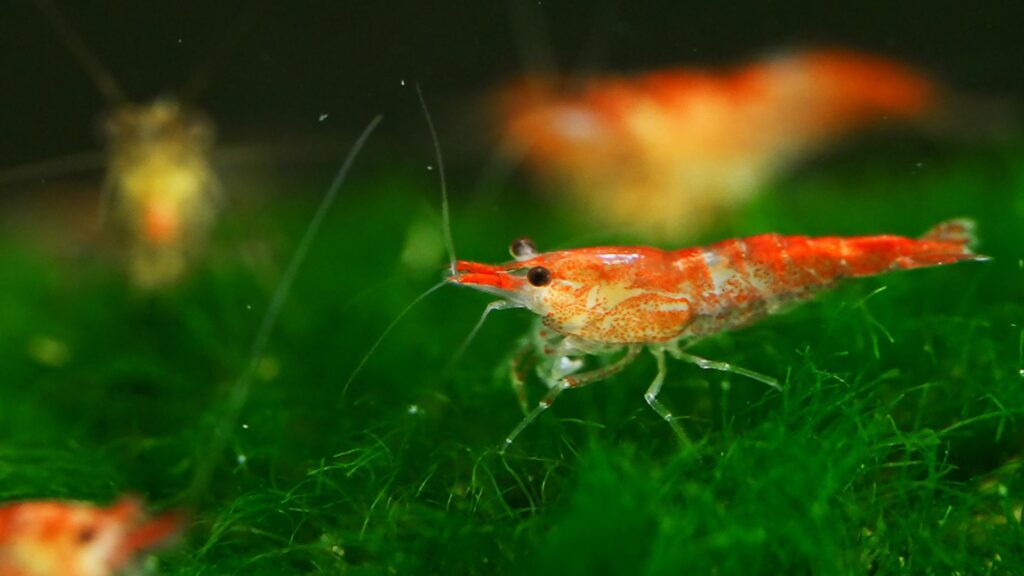
    Shrimp can sleepwalk

    Turns out, even crustaceans need their beauty sleep. Shrimp have been observed walking around in their sleep, twitching their antennae and occasionally bumping into things.exclamation Who needs counting sheep when you can have sleepwalking shrimp?

    4 The population of the Earth is about the same as the number of ants

    The population of the Earth is about the same as the number of ants

    That’s right, for every human on Earth, there’s roughly one ant.exclamation So, the next time you feel insignificant, remember you’re part of a much larger (and slightly creepier) collective.

    5 Clouds can smell like popcorn

    Clouds can smell like popcorn

    No, you haven’t been hallucinating at the movie theater. Certain types of clouds, like cumulonimbus, can release a chemical called geosmin, which has a distinct earthy, sometimes popcorn-like scent. So, take a deep breath next time you see a fluffy cloud – it might just smell like your favorite snack.

    6 Cats have over 100 different vocalizations

    Cats have over 100 different vocalizations

    Meows are just the tip of the feline communication iceberg.expand_more Cats purr, chirp, growl, and even trill to express everything from contentment to annoyance. They’re basically tiny opera singers with fur.

    7 Laughter is contagious, even across species

    Laughter is contagious, even across species

    Studies have shown that chimpanzees and even rats can “catch” laughter from humans. So, the next time you share a good chuckle with a friend, remember you’re spreading joy not just horizontally, but vertically in the animal kingdom too!

    8 The Earth has a heartbeat

    The Earth has a heartbeat

    Okay, not literally, but the planet’s magnetic field pulsates in a specific rhythm, much like a beating heart. This “heartbeat” affects everything from animal migration to auroras, making Earth a truly dynamic being.

    9 Goldfish have a three-second memory

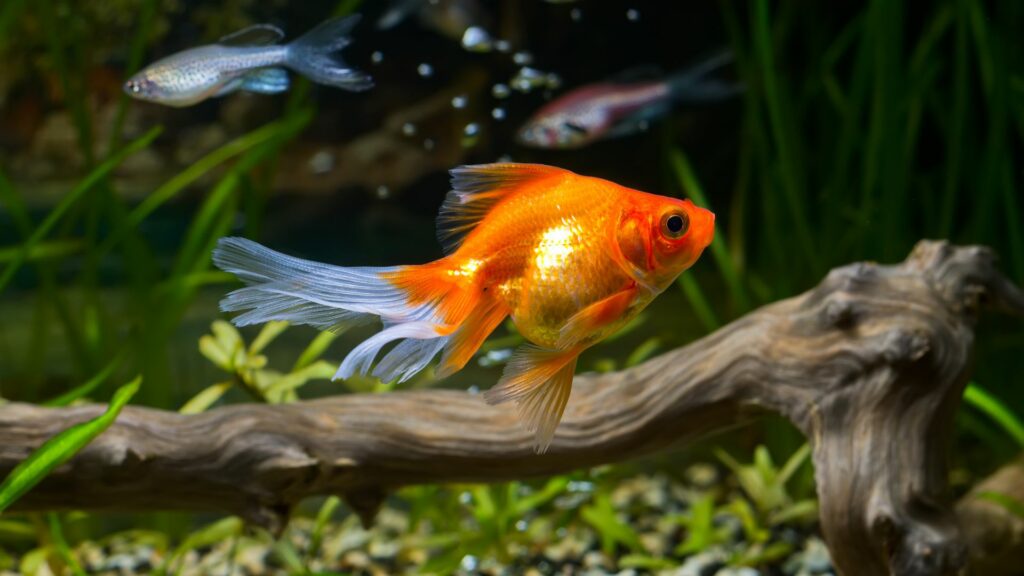
    Goldfish have a three-second memory

    This fishy fact might be a little depressing, but it also opens up some interesting philosophical questions. Do goldfish live in a perpetual state of “now”? Are they constantly experiencing something new? Maybe we have more to learn from these little memory masters than we think.

    10 You blink about 15-20 times per minute

    You blink about 15-20 times per minute

    That means you’ve blinked over 100,000 times while reading this article! Take a moment to appreciate the amazing, blink-powered feat of reading you’ve just accomplished.

    So there you have it, 10 strange facts that will hopefully leave you looking at the world with a slightly more curious and wonder-filled gaze. Remember, the universe is a strange and fascinating place, and there’s always something new to learn, even if it involves shrimp sleepwalking or Earth’s “heartbeat.” Now go forth and spread the strange knowledge!

  • Unbelievable Medical Anomalies: A Journey Through the Body’s Mysteries

    Unbelievable Medical Anomalies: A Journey Through the Body’s Mysteries

    In the vast expanse of medical science, where every symptom and diagnosis seems to have been charted and understood, there lie anomalies so rare and bewildering they seem more akin to fiction than reality. These medical conditions challenge our understanding of the human body, pushing the boundaries of what we consider possible. Let’s embark on a journey through some of the most astonishing medical anomalies known to science, from individuals who experience no pain to those whose bodies tell tales as strange as myths.

    Medical Anomalies

    1 The Man Who Feels No Pain

    congenital analgesia

    Imagine a life where the warning signals of heat, injury, or sharp objects don’t cause discomfort or pain. For those with congenital analgesia, this is their reality. This rare condition prevents the sensation of pain, leading many to believe it’s a superpower. However, this anomaly can be dangerously deceptive, as pain serves as a crucial warning system for harm. Individuals with this condition often suffer injuries or ailments without realizing, making it a fascinating yet perilous way to live.

    2 The Woman Who Sweats Blood

    Hematidrosis

    Hematidrosis, a condition as rare as it is startling, causes individuals to sweat blood. This phenomenon, often associated with extreme stress or fear, has been documented throughout history but remains poorly understood. The sight of blood seeping through the pores is as bewildering to the observer as it is to the sufferer, challenging the very notions of what is medically possible.

    3 The Boy with the Stone Heart

    Fibrodysplasia ossificans progressiva

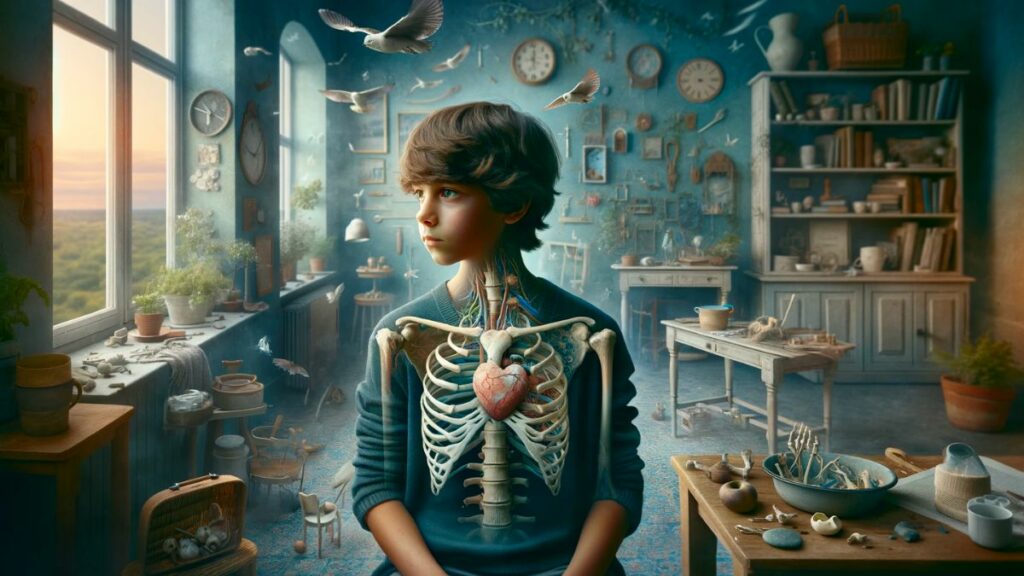
    Fibrodysplasia ossificans progressiva (FOP) is a disorder that turns soft tissues into bone, encasing the body in a second skeleton. This rare genetic condition gradually restricts movement, leading to a life where each joint, including the jaw, can become permanently fixed in place. The transformation of muscle and connective tissue into bone is a process as fascinating as it is tragic, offering a window into the complexities of human biology.

    4 The Girl Who Never Ages

    Syndrome X

    Brooke Greenberg baffled medical science with her condition, dubbed “Syndrome X,” which prevented her from aging. Living to the age of 20, Brooke remained physically and cognitively similar to a toddler. Her unique case presents a puzzle to geneticists and gerontologists, suggesting that the secrets to biological aging—and perhaps the keys to unlocking eternal youth—lie within our DNA.

    5 The People Who See with Sound

    The People Who See with Sound

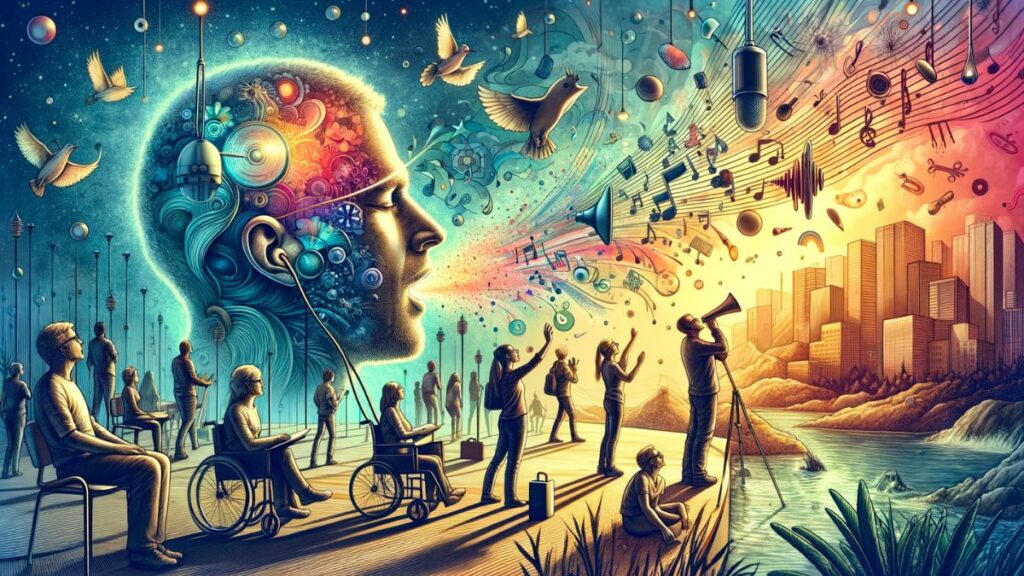
    For some, the loss of one sense leads to the heightening of another, but for individuals with acquired echolocation, it means developing a new way to perceive the world. By making clicking sounds with their mouths and listening to the echoes, they can navigate their surroundings, effectively “seeing” with sound. This remarkable adaptation showcases the brain’s incredible ability to rewire itself, offering hope and independence to those without sight.

    In exploring these unbelievable medical anomalies, we’re reminded of the power of the human spirit and the endless quest for knowledge that defines our species. These stories, bridging the gap between the conceivable and the miraculous, are not just tales of medical curiosity but beacons of hope for future breakthroughs in the understanding and treatment of the human condition.

  • Beyond Belief: The Strangest Psychological Conditions You Never Knew Existed

    Beyond Belief: The Strangest Psychological Conditions You Never Knew Existed

    Diving into the mind’s enigmatic world, we uncover tales that sound more like fiction than fact. Away from the everyday struggles with anxiety or depression, there’s a realm where the human brain dances on the edges of reality. Imagine thinking you’re an outsider in your own life or seeing colors when someone plays a tune. These aren’t just quirks; they’re profound insights into the mind’s power and its occasional hiccups. Let’s wander through a list of ten psychological phenomena, stepping off the beaten path into the mind’s rarely visited nooks, where reality gets a complete makeover.

    1 Capgras Delusion

    Capgras Delusion

    Picture doubting if your friend or family member is really them, or just an impostor wearing their skin. It’s a condition often seen alongside schizophrenia, and it’s as unsettling as it sounds.

    2 Cotard’s Syndrome

    Cotard’s Syndrome

    It’s hard to imagine feeling like you’re dead or don’t exist, but that’s the reality for some. They might even think they’re rotting away or missing their internal organs.

    3 Foreign Accent Syndrome

    Foreign Accent Syndrome

    Think about speaking your native language but suddenly sounding like you’re from halfway across the globe. This rare condition can spring up after a brain injury, leaving everyone, including the speaker, baffled.

    4 Alice in Wonderland Syndrome

    Alice in Wonderland Syndrome

    This one’s like stepping into a fairy tale, but it’s no dream. Objects seem to shrink or grow, distances warp—reality as you know it gets turned on its head.

    5 Prosopagnosia

    Prosopagnosia

    Faces that should be familiar just… aren’t. Even seeing your own face might not ring any bells. Whether from birth or due to an injury, it’s a challenging way to navigate the world.

    6 Stockholm Syndrome

    Stockholm Syndrome

    It’s a strange twist of fate when hostages or abuse victims feel a bond with their captors. It’s a complex mix of survival and coping mechanisms, creating unexpected loyalties.

    7 Diogenes Syndrome

    Diogenes Syndrome

    This syndrome paints a picture of extreme self-neglect and hoarding, often in solitude. It’s a heartbreaking glimpse into how some cope with aging or mental health struggles.

    8 Fregoli Delusion

    Fregoli Delusion

    Imagine thinking that everyone around you is actually the same person in disguise. It’s a rare and confusing disruption in recognizing others.

    9 Klüver-Bucy Syndrome

    Klüver-Bucy Syndrome

    After damage to certain brain areas, some people lose their sense of fear, become fixated on exploring objects with their mouths, or exhibit increased sexual behavior.

    10 Synesthesia

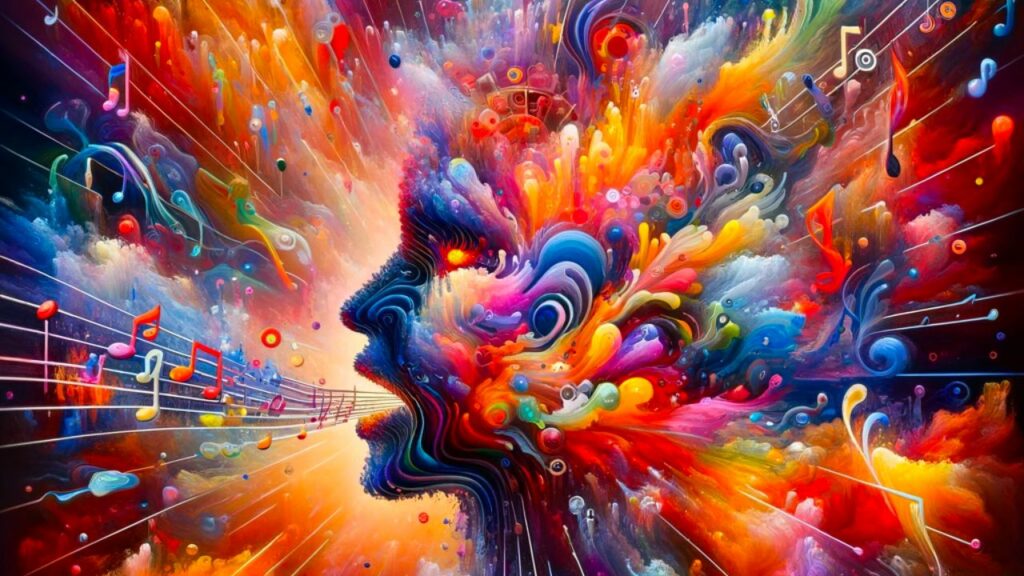
    Synesthesia

    This condition mixes up the senses, leading to a blend of experiences like seeing music as colors or tasting words. It’s a unique perspective on the world, blending sensory inputs into a vivid tapestry.

    Exploring these conditions gives us a glimpse into the incredible complexity of the mind and how delicately our perception of reality is woven. When discussing these topics, it’s essential to tread lightly, respecting the significant impact these conditions have on those who experience them. A mix of solid research and consultations with experts can ensure your piece is not only fascinating but also respectful and informative.

    Which condition is the most strangest one?

    Capgras Delusion

    Cotard’s Syndrome

    Foreign Accent Syndrome

    Alice in Wonderland Syndrome

    Prosopagnosia

    Stockholm Syndrome

    Diogenes Syndrome

    Fregoli Delusion

    Klüver-Bucy Syndrome

    Synesthesia

  • Top 10 Most Astonishingly Disgusting Habits of Ancient Rome That Will Leave You Speechless

    Top 10 Most Astonishingly Disgusting Habits of Ancient Rome That Will Leave You Speechless

    Step into the intriguing world of Ancient Rome, a civilization heralded for its majestic architecture, advanced engineering, and profound cultural impact. However, lurking beneath its celebrated history are aspects that might startle the modern sensibilities. This article unveils the top 10 most astonishingly disgusting habits of ancient Roman society. From the communal nature of public restrooms to the peculiar use of urine in laundry, we’re about to explore some of the less glamorous but utterly fascinating daily practices of one of history’s most influential empires. Brace yourself for a journey that’s as educational as it is jaw-dropping!

    1 Public Restrooms Without Privacy

    roman Public Restrooms Without Privacy

    Imagine a scenario where chilling and doing away with excretions went hand in hand. In Ancient Rome, there happened to be public latrines provided for people without partitions, and this happened to pass as a hub for social interaction.

    2 Urine as a Cleaning Agent

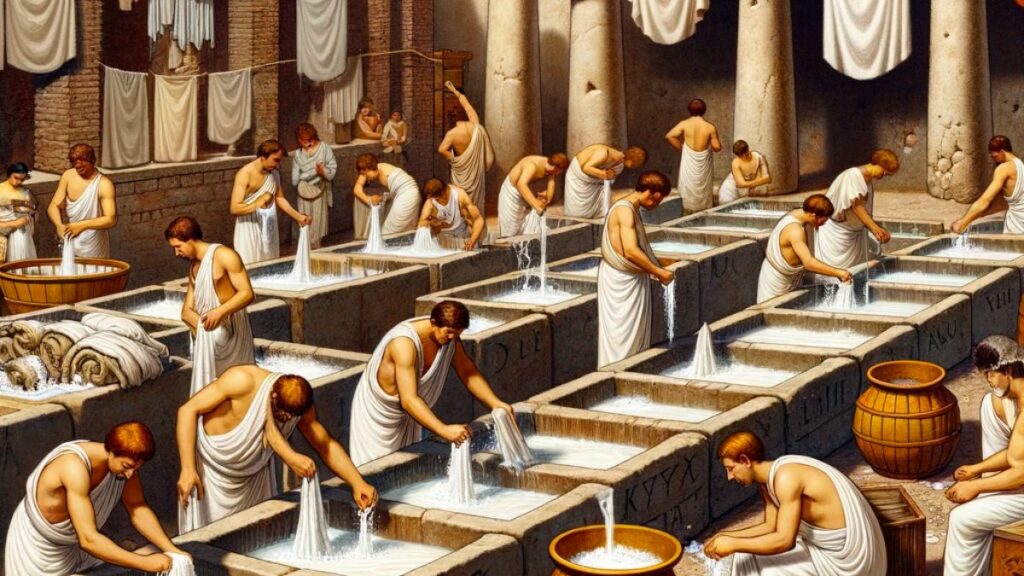
    washing togas with urine

    There you have it! The Romans really did use urine to do washes. Urine produced ammonia, nature’s ‘detergent’, which was especially useful for whitening ingredients in preparing their togas.

    3 Vomitoriums for Overeating

    Vomitoriums for Overeating

    The vomitorium is often misunderstood in its concept; it was actually just a hallway in leading out of amphitheaters. However, during these feasts, the Romans did actually practice purging so they could then go back and eat all over again.

    4 Gladiator Blood as Medicine

    Gladiator Blood as Medicine

    The Romans believed that the blood of gladiators had healing power. It was considered as a remedy for epilepsy and often drunk directly from the arena.

    5 Animal Fights and Executions as Entertainment

    Many of Rome’s public spectacles were based on violent animal fights, and even executions were considered forms of entertainment, and so many people paid to go and see them at the Colosseum.

    6 A Plethora of Lead Poisoning Cases

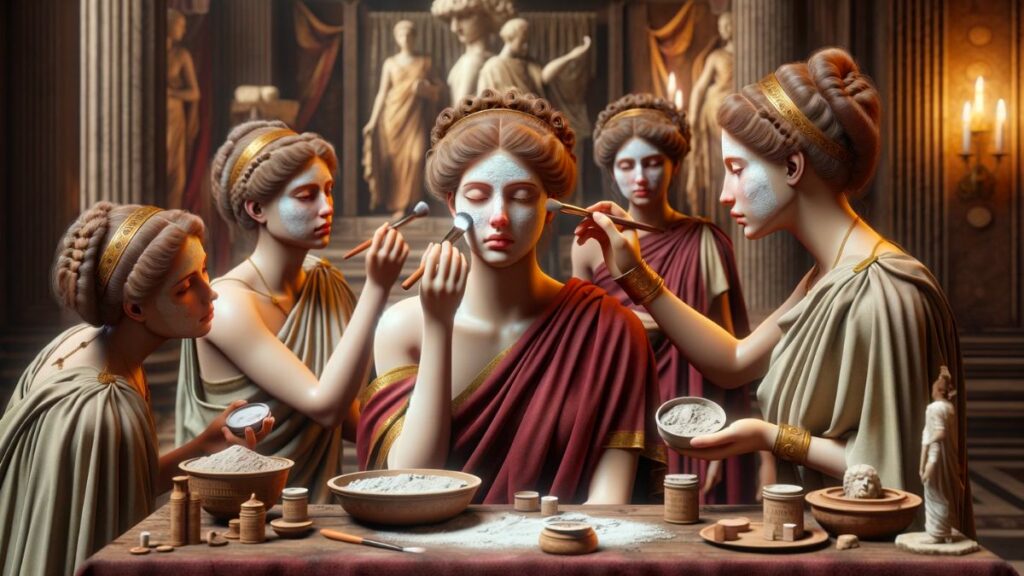
    lead beauty products in rome

    Lead was an everyday material in Rome, being part of makeup and even water pipes. They hardly had any notion about the treatment it gave them – lead with its cornucopia of diseases.

    7 Garum, The Smelly Fish Sauce

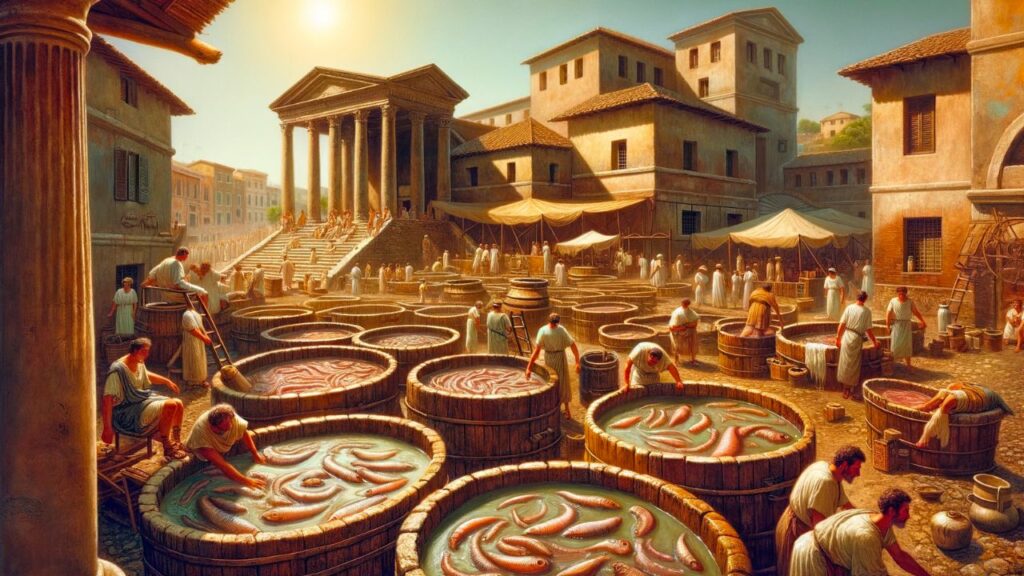
    roman fish sauce

    It is a smelly strong sauce and has been used a lot by the Romans made from fermented fish intestines place on the outside to cook in the sun.

    8 Toga Parties with a Twist

    unhygienic romans

    Although togas are still iconic, they would most likely have been infested with fleas and lice because of the lack of regular washing and bathing

    9 Dental Hygiene, or Lack of It

    roman Dental Hygiene

    Toothpaste in Ancient Rome consisted mainly of crushed bones and oyster shells. Dental hygiene was really not a serious business as far as the Romans were concerned.

    10 Slave Labor in Every Aspect of Life

    slaves in ancient rome

    The norm seems to have been slave labor in even washing the teeth or combing lice.

    But remember, while some of these are classic and considered lavish practice, at the same time they may seem disgusting, even unsanitary by today’s standards. This listicle shares a glimpse of Ancient Rome behind closed doors, a mixture of shock, curiosity, and historical information.

  • Do Romans Really Used Urine As Mouthwash?

    Do Romans Really Used Urine As Mouthwash?

    Ancient Romans are often credited with many extraordinary achievements in engineering, art, culture, challenge-and yet this ancient people are also commonly associated with a somewhat peculiar hygiene practice — rinsing their mouth out with urine. Without a doubt, this incredible assertion has made significant waves, but now new information seems poised to turn the face of truth in regards to this one facet of Roman hygiene. Let’s take a moment to examine the myth and what currently is known about this intriguing piece of Roman hygiene.

    Getting to the Bottom of Things

    For a long time, historians have contested the popular belief that Romans used urine for oral hygiene. In fact, as Roman poet Catullus put it, it was below somebody’s dignity to be farting while someone uses his own urine for oral hygiene, hence confirming that using urine as mouthwash may not have been the mainstream practice for every Roman after all. In essence, it was regarded not to be a Romanian act whereby those who undertook the public ridiculed them. This means that the use of urine as an agent to clean teeth wasn’t common or even cultural among Romans as is depicted.

    The Science behind Cleaning

    Urine As Mouthwash

    Abilities of Urine While usage of urine for dental hygiene has been overemphasized, the value for which urine was considered in the olden times is that it is what contains ammonia. Ammonia coming out, during decomposition of urea to stale urine, is a cleaning element. In fact, these properties of urine made it a good constituent for use as a detergent and in other industrial applications that the Romans were exposed to. Due to this sharp characteristic of their interest, the Romans were able to utilize urine in diverse industries such as fullonicae (establishments for laundering) and leather tanning.

    Economic and Social Context

    Urine had not still lost its value in the Roman context. It was collected from the urinals, which were open and public toilets, and it found usage in various industries. Emperor Vespasian even levied a tax on the collection of urine as well, due to which there is even today a famous Latin phrase “Pecunia non olet” (Money does not stink). That underscores the economic value of urine in Roman society far beyond the misbegotten use in personal hygiene.

    Modern Perspective and Health Concerns

    From a modern perspective, the thought of gargling urine is not only unsavory but raises health concerns. Today we know that in this urine could be dangerous substances and bacterials. But this was the time back then and one has to understand and view these things in the context of their time. The Romans used their resources according to the knowledge they had at that time, even though there has been purported of the use of urine having been much more than the actual historical facts.

    An excellent example of how the historical fact can get distorted easily over time is the story of Romans who used urine as mouthwash. Though urine was indeed a commodity of value in Ancient Rome for purposes of cleansing, it is likely that this did not go towards as many applications of oral hygiene to which it is commonly attributed. This exploration of Roman practices reminds us to critically analyze historical claims and appreciate the genius of our ancestors within proper context. However, as we continue to unfold the truth of the past, it is important that they should approach them with curiosity and discernment.

  • Who owned the land first Israel or Palestine? Unraveling the Ancient Ownership Mystery

    Who owned the land first Israel or Palestine? Unraveling the Ancient Ownership Mystery

    The question of who owned the land first, Israel or Palestine, is deeply rooted in history, and the answer is complex. The land, known by different names over the centuries, has been inhabited by various groups, each with their own historical and cultural ties to the region.

    Historical Context:

    1. Ancient Israel:
      • The name “Israel” first appears near the end of the 13th century BC within the Egyptian Merneptah Stele, referring to a people inhabiting what was then known as “Canaan.”
      • A few centuries later, two sister kingdoms emerged in the region: Israel and Judah. The Bible mentions a monarchy comprising both, referred to as “Israel.”
      • In about 722 BC, the kingdom of Israel was conquered by the Neo-Assyrian empire, and the term “Israel” as a geographic entity disappeared.
    2. Judah and the Jewish Temple:
      • Less than 150 years after Israel’s conquest, Judah was overthrown, its capital Jerusalem was sacked, and the Jewish Temple was destroyed. Many inhabitants were exiled to Babylonia.
      • After the exile ended, the territory of the former kingdom of Judah remained the heart of Judaism for almost seven centuries.
    3. Introduction of ‘Palestine’:
      • In AD 135, after a failed Jewish revolt, Roman Emperor Hadrian renamed the city and surrounding territory as “Syria-Palestina.” The name “Palestina” was derived from the coastal territory of the ancient Philistines, adversaries of the Israelites.
      • Following the Islamic conquest in the seventh century, Arab peoples began to settle in the former “Palestina.” The land remained predominantly under Muslim control for nearly 1,200 years, with a significant Arab population.
    4. Zionism and British Control:
      • In the late 19th century, the Zionist movement emerged, driven by the desire of Jews in the Diaspora to return to their ancestral land. This movement was fueled by increasing anti-Semitism in Europe and Russia.
      • The land was under the Ottoman empire’s control and was divided into three administrative regions, none named “Palestine.”
      • In 1917, the British took control, and in 1923, “Mandatory Palestine” was established, which also included present-day Jordan.
    5. State of Israel:
      • In November 1947, the United Nations General Assembly passed Resolution 181, proposing the partition of the land into “Independent Arab and Jewish States.” The Arab side rejected the resolution.
      • On May 14, 1948, the Zionist leadership declared the establishment of the state of Israel. The new state faced immediate invasion by several Arab countries and Palestinian militias.

    Conclusion:

    The historical ties to the land are intricate. The term “Israel” predates “Palestine” by over a millennium. However, both Jews and Arabs have deep-rooted historical and cultural claims to the region. The Israeli-Palestinian conflict has witnessed numerous wrongs and brutalities on both sides, making the path to peace challenging. Recognizing the shared history and legitimate claims of both parties is crucial for understanding the complexities of the issue.

    Source: The Conversation.

  • “10 Jaw-Dropping Facts from Forbes’ 400 Richest People in America 2023!”

    “10 Jaw-Dropping Facts from Forbes’ 400 Richest People in America 2023!”

    In the ever-evolving landscape of wealth and innovation, 2023 has unveiled a roster of billionaires that both confirms and defies our expectations. From tech moguls solidifying their dominance to surprising newcomers making their mark, this year’s Forbes’ 400 Richest People in America list is a testament to ambition, persistence, and the relentless spirit of enterprise. As we delve into the top 10 jaw-dropping facts, prepare to be both inspired and astounded by the tales of those who’ve reached the pinnacle of financial success.

    Richest People in America 2023

    1 Elon’s Empire

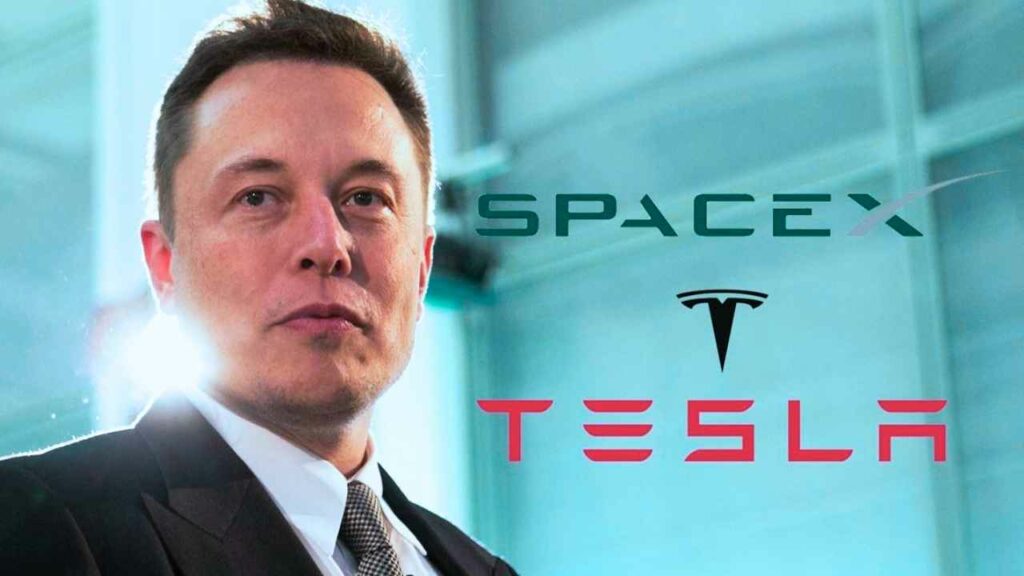
    Despite setting a Guinness World Record for losing the most wealth ever, Elon Musk, the tech genius behind Tesla and SpaceX, reigns supreme at No. 1 with a staggering net worth of $251 billion!

    2 Tech Titans Rule

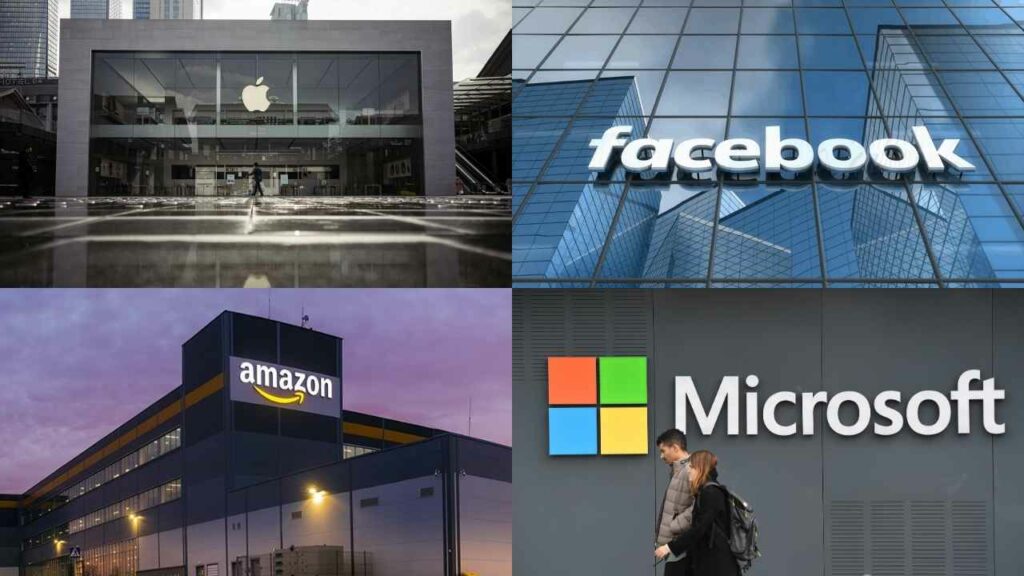
    The top 10 list is dominated by tech moguls. From Microsoft’s Bill Gates to Facebook’s Mark Zuckerberg, these tech giants have secured their spots in the top echelons of wealth.

    3 Basketball Billionaire

    Former NBA star Michael Jordan slam dunks his way onto the list at No. 379, boasting a net worth of $3 billion, thanks to his sale of the Charlotte Hornets.

    4 Age is Just a Number

    The top 10 richest range in age from 39 to 93, proving that wealth knows no age boundaries.

    5 Where Are The Women?

    While the top 10 list lacks female representation, three powerful women make their mark in the top 20. Alice Walton, daughter of Walmart’s founder, shines at No. 14 with a net worth of $66.5 billion.

    6 Youngest and Richest

    Lukas Walton, another heir to the Walmart fortune, is the youngest on the list at 37 years old, with a net worth of $24.2 billion.

    7 A Century of Success

    The eldest member of the 400 list is David Murdock, former chairman of Dole Food Products, who at 100 years old has a net worth of $3.4 billion.

    8 Notable Absentees

    Some big names missed the cut this year, including former president Donald Trump and Snapchat co-founders Evan Spiegel and Bobby Murphy.

    9 Top 10 Wealth Breakdown

    Dive into the immense wealth of the top 10, from Elon Musk’s $251 billion to Michael Bloomberg’s $96.3 billion.

    10 For the Full Experience

    Forbes

    Hungry for more? Dive into Forbes’ full list to satiate your curiosity about America’s richest!

  • The Science Behind Why Pumpkin Seeds Are So Good For You

    The Science Behind Why Pumpkin Seeds Are So Good For You

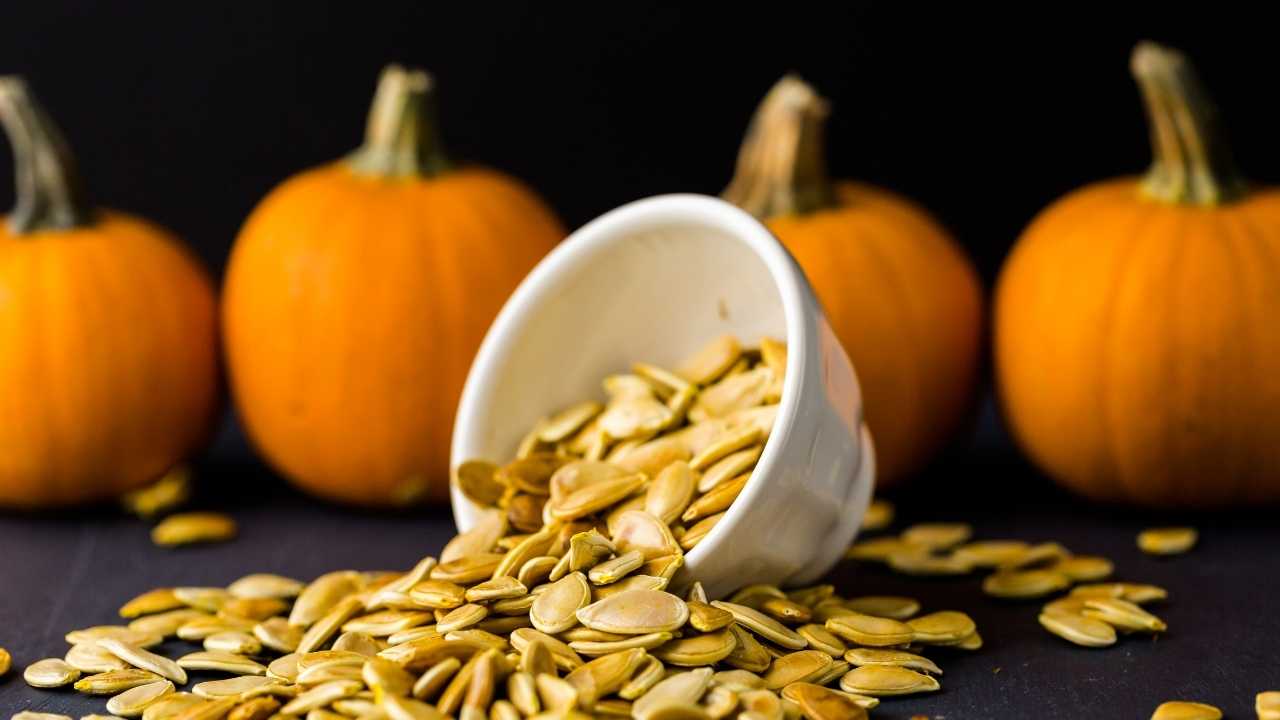
    Pumpkin seeds, often known as pepitas, aren’t just for Halloween! These little green gems have been gracing our diets for thousands of years. Originating from the Americas, ancient civilizations already realized the worth of these seeds, and they have become a staple in various cuisines around the world. From being sprinkled on salads to roasted as a crunchy snack, their versatility in the kitchen is matched only by their nutritional benefits.


    Why Pumpkin Seeds Are So Good For You

    Nutritional Profile:

    Imagine packing protein, healthy fats, essential vitamins, and minerals all into one tiny seed! That’s the power of pumpkin seeds. Here’s a brief overview:

    • Macronutrients: Each seed is a mini-package of proteins that help in muscle building, healthy unsaturated fats that nourish our hearts, and a sprinkle of carbohydrates for energy.
    • Micronutrients: Vitamin E, known for its antioxidant properties, shines brightly here, along with Vitamin K which plays a crucial role in blood clotting. As for minerals, pumpkin seeds are a treasure trove. Think magnesium for heart health, manganese for bone development, zinc for immunity, and iron for transporting oxygen in our blood.
    • Phytochemicals: Beyond vitamins and minerals, these seeds carry powerful antioxidants. They’re nature’s way of ensuring we’re protected against the daily wear and tear our cells go through.

    Health Benefits:

    Buckle up, because pumpkin seeds come with a plethora of health benefits!

    • Heart Health: Our hearts beat around 100,000 times a day! Keeping it healthy is essential. Magnesium, antioxidants, and unsaturated fats in pumpkin seeds lend a helping hand in this.
    • Blood Sugar Regulation: There’s emerging research suggesting these seeds might be helpful allies in the battle against diabetes, assisting in keeping blood sugar levels stable.
    • Digestive Health: That feeling of a happy tummy after a meal? Dietary fibers play a big role, and pumpkin seeds are a good source.
    • Anti-Inflammatory Properties: Inflammation can be our body’s call for help against injuries, but too much can be harmful. Pumpkin seeds, with their rich antioxidant content, ensure this balance is maintained.
    • Bone Health: Just like a building needs strong pillars, our bodies require strong bones. The magnesium and zinc in pumpkin seeds are the unsung heroes ensuring our skeletal strength.
    • Mental Health and Sleep: Ever wondered why you feel sleepy after a Thanksgiving meal? Tryptophan, an amino acid found in pumpkin seeds, might be the reason. It’s a precursor to the “sleep hormone”, melatonin.
    • Prostate Health: Men, take note! Studies have shown some promising links between pumpkin seeds and a healthy prostate.
    • Anti-Cancer Properties: While research is ongoing, some studies have shown that pumpkin seeds might have properties that help in fending off certain types of cancers.

    Culinary Uses:

    Diverse in their benefits, pumpkin seeds are equally versatile in the kitchen. Sprinkle them on your morning oatmeal, blend them into pestos, or simply roast them with your favorite spices. Whether it’s in cookies, salads, or as a standalone snack, they add a delightful crunch and a nutritional boost.


    Safety and Considerations:

    Every superhero has its kryptonite, and foods are no different. While pumpkin seeds are a powerhouse of nutrition, it’s good to tread with a bit of caution:

    • Potential Allergies: A handful might not harm many, but for a select few, pumpkin seeds might trigger allergic reactions. Always be watchful of symptoms like itching, swelling, or difficulty breathing.
    • Interactions with Medications: While generally safe, pumpkin seeds might not play well with certain medications, especially those that affect blood pressure or blood sugar. It’s wise to have a chat with your doctor if you’re on such meds.
    • Moderation is Key: As with all foods, too much of a good thing isn’t always better. Enjoying pumpkin seeds in moderation ensures we reap the benefits without overdoing it.

    Environmental and Sustainable Aspects:

    A touch on the green side of things! Pumpkins, as a part of the squash family, play a role in sustainable agriculture. They help in:

    • Soil Health: Pumpkins and their sprawling vines act as a cover crop, reducing soil erosion and keeping the soil enriched.
    • Pollinator Attraction: Those bright pumpkin flowers? They’re a haven for pollinators, ensuring a bustling eco-activity in gardens and farms.
    • Waste Reduction: By valuing the seeds as much as the flesh, we make the most of the entire pumpkin, cutting down on food waste.

    However, as with all agriculture, sustainable farming practices are paramount. Opting for organically grown pumpkin seeds can further support a healthier planet.


    So Why Pumpkin Seeds Are So Good For You

    Pumpkin seeds, the tiny powerhouses, are nature’s way of telling us that good things come in small packages. From their dense nutritional profile to the myriad of health benefits they offer, it’s evident that these seeds are more than just a seasonal treat. They’re a testament to the fact that when it comes to food, nature often knows best. So the next time you scoop out a pumpkin, think twice before discarding those precious seeds!