In recent times, Israel has been accused of violating various international laws through its actions in the Middle East. These allegations have come from multiple sources, including other states and international organizations. Below is a list of specific laws that have been referenced in relation to Israel’s actions, along with the context in which these laws have been cited.
Violations of Sovereignty and International Law in Syria
Law Referenced:
The principle of state sovereignty and non-intervention under international law.
Context:
Russia has accused Israel of violating Syrian sovereignty and international law through airstrikes conducted on Syrian territory. Source (Reuters, October 12, 2023)
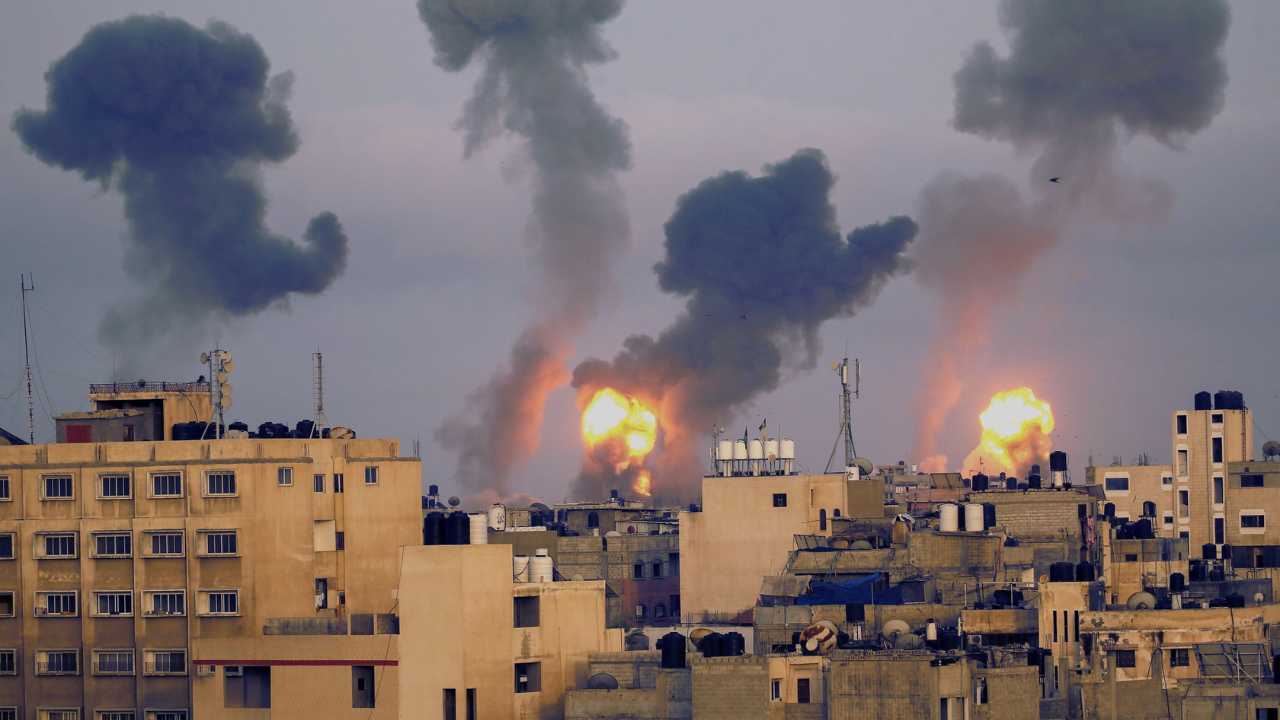
Bombardment of Gaza
Law Referenced:
International humanitarian law, particularly the laws relating to the conduct of hostilities.
Context:
There have been claims that Israel’s bombardment of Gaza runs counter to international law, which sets forth the conditions under which a state can respond to terrorism and the norms of international conduct during armed conflict. Source (Reuters, October 28, 2023)
War Crimes Laws and the Israel-Palestinian Conflict
Law Referenced:
The Law of Armed Conflict or International Humanitarian Law, which includes the Geneva Conventions.
Context:
An explainer on what war crimes laws apply to the Israel-Palestinian conflict has been provided, detailing the acts that could constitute violations of war crimes law, including targeting civilians and disproportionate use of force. Source (Reuters, November 2, 2023)
Targeting Civilians in Gaza
Law Referenced:
International humanitarian law, including the principles of distinction and proportionality.
Context:
Arab countries have condemned what they describe as “flagrant violations” of international law by Israel, specifically targeting civilians in Gaza.
Arms Sales and Alleged Violations
Law Referenced:
Various international laws and treaties governing arms sales and the use of those arms in conflict.
Context:
A Palestinian NGO has urged the UK to stop arms sales to Israel, alleging that Israel has violated international law with its actions in Gaza.
In recent weeks, the Israel-Hamas conflict has dominated headlines, capturing the attention of the international community. But for those seeking a deeper understanding, the complexities and long-standing tensions fueling this conflict may seem daunting.
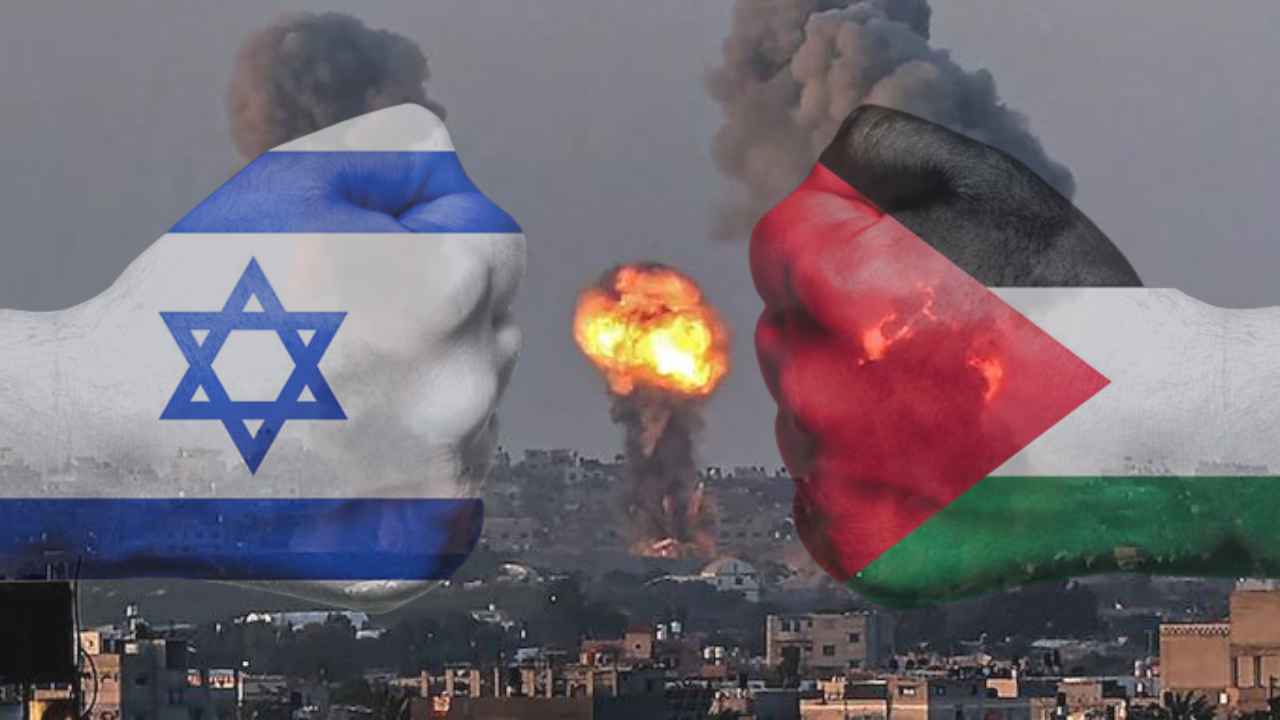
In this article, we aim to shed light on the Israel-Hamas conflict, providing a comprehensive explanation of its origins, key players, and current state of affairs. Without taking sides, we will present a balanced overview of the factors fueling this ongoing dispute.
Historical Background of the Conflict
The Israel-Hamas conflict is deeply rooted in the historical context of the Israeli-Palestinian conflict. The origins of this dispute can be traced back to the early 20th century when Zionist Jews sought to establish a homeland in Palestine. The establishment of the state of Israel in 1948 further fueled tensions between Jewish settlers and Arab Palestinians, leading to a series of wars and conflicts.
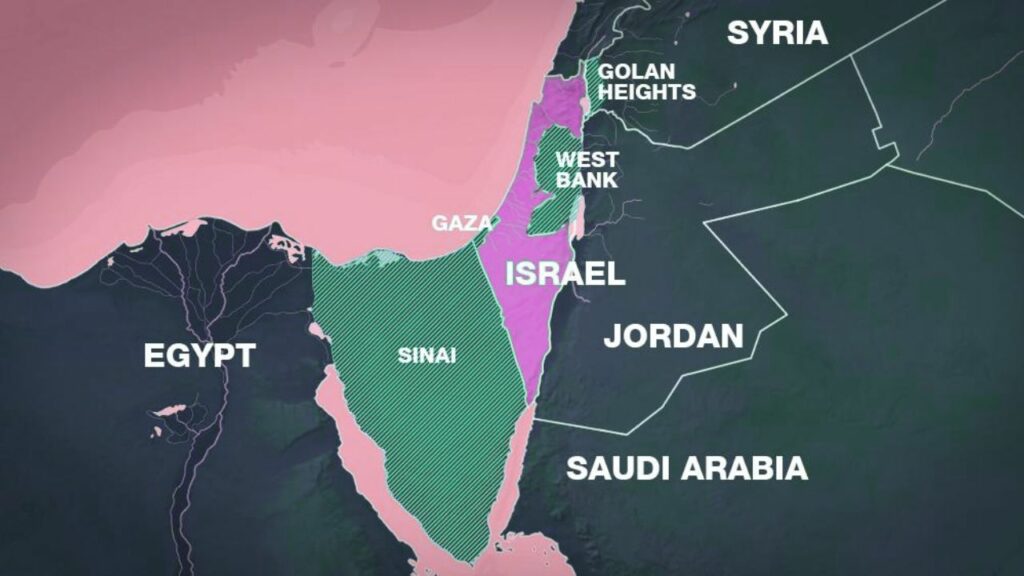
One of the key turning points in the conflict was the Six-Day War in 1967, during which Israel gained control over the West Bank, Gaza Strip, and East Jerusalem. This occupation intensified the grievances of Palestinians, leading to the rise of various resistance movements, including Hamas.
Key Players in the Conflict – Israel and Hamas
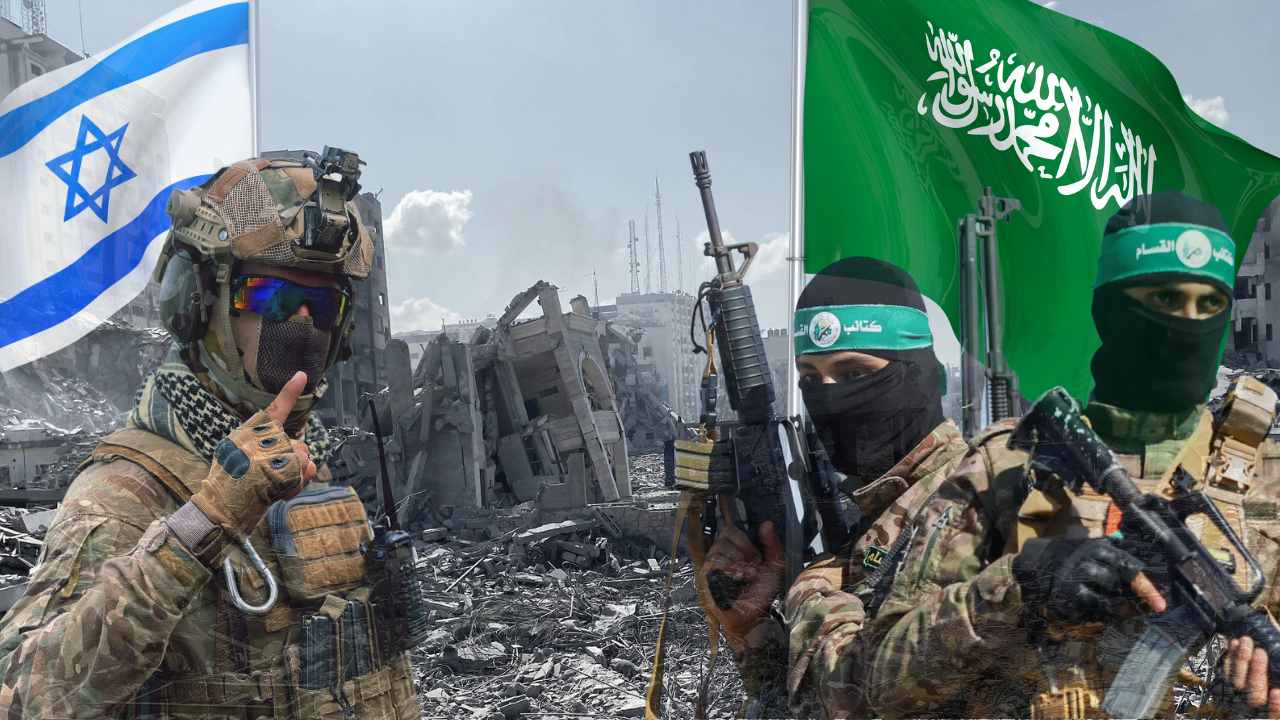
The Israel-Hamas conflict is primarily between two main actors – Israel and Hamas. Israel is a democratic state with a strong military and a close alliance with the United States. It sees itself as a haven for Jews worldwide and is committed to protecting its citizens from terrorist attacks.
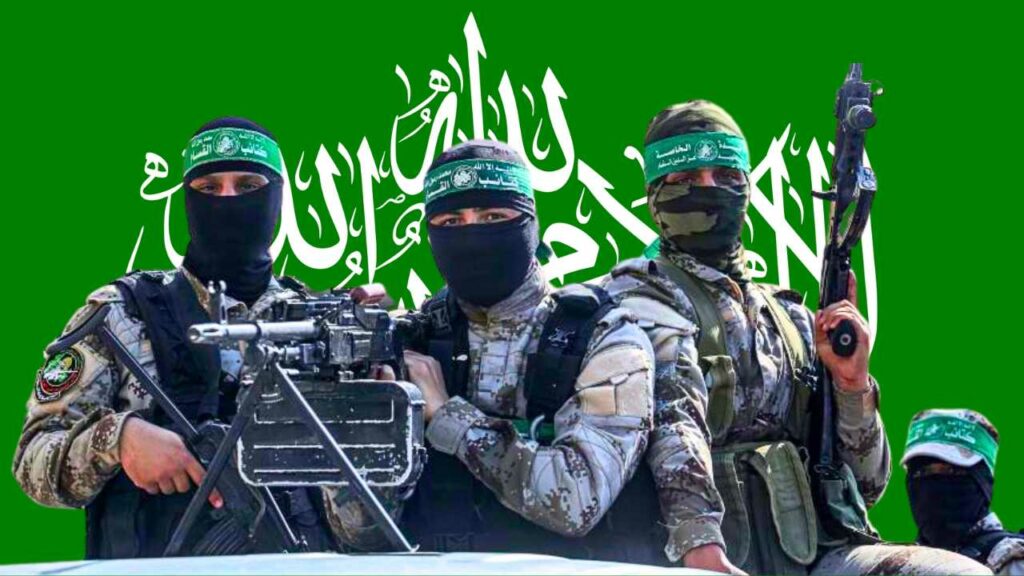
Hamas, on the other hand, is a Palestinian Islamist group that emerged in the late 1980s. It is considered a terrorist organization by many countries, including the United States and the European Union. Hamas is dedicated to the liberation of Palestine and the establishment of an Islamic state, and it has gained significant support among Palestinians through its social programs and resistance against Israeli occupation.
Causes of the Conflict
The Israel-Hamas conflict is fueled by a multitude of causes, including territorial disputes, the status of Jerusalem, the right of return for Palestinian refugees, and the ongoing Israeli occupation of Palestinian territories. These issues have led to a cycle of violence, with both sides engaging in acts of aggression and retaliation.
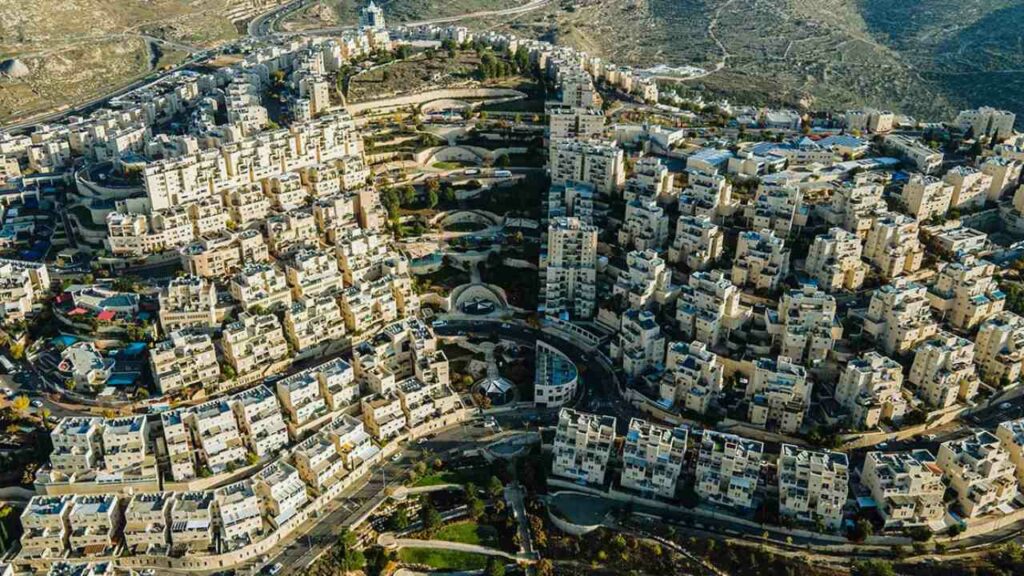
One of the main causes of the conflict is the Israeli settlement expansion in the West Bank. Israel’s continued construction of settlements in the occupied territories is considered illegal under international law and has been a major point of contention in peace negotiations.
Additionally, the status of Jerusalem is a highly contentious issue. Both Israel and Palestine claim Jerusalem as their capital, and the city’s religious and cultural significance adds another layer of complexity to the conflict.
Timeline of Major Events
Over the years, the Israel-Hamas conflict has witnessed numerous significant events that have shaped its course. From the Oslo Accords in the 1990s to the Gaza disengagement in 2005 and the subsequent Hamas takeover, the conflict has been marked by moments of hope and despair.
The outbreak of violent clashes and wars, such as the Second Intifada in 2000 and the Gaza War in 2014, have further deepened the animosity between Israel and Hamas. The timeline of these events provides critical insights into the dynamics of the conflict and the challenges faced by peace efforts.
International Response and Mediation Efforts
The international community has been actively involved in attempting to resolve the Israel-Hamas conflict. Various peace plans and initiatives, such as the Camp David Summit and the Oslo Accords, have been proposed over the years. However, achieving a lasting peace agreement has proven to be a daunting task.
Efforts by regional and international actors, including the United Nations, the United States, and neighboring Arab states, have aimed to facilitate dialogue and negotiation between Israel and Hamas. These mediation efforts have often been met with obstacles and setbacks, highlighting the complexity of the conflict.
Humanitarian Impact of the Conflict
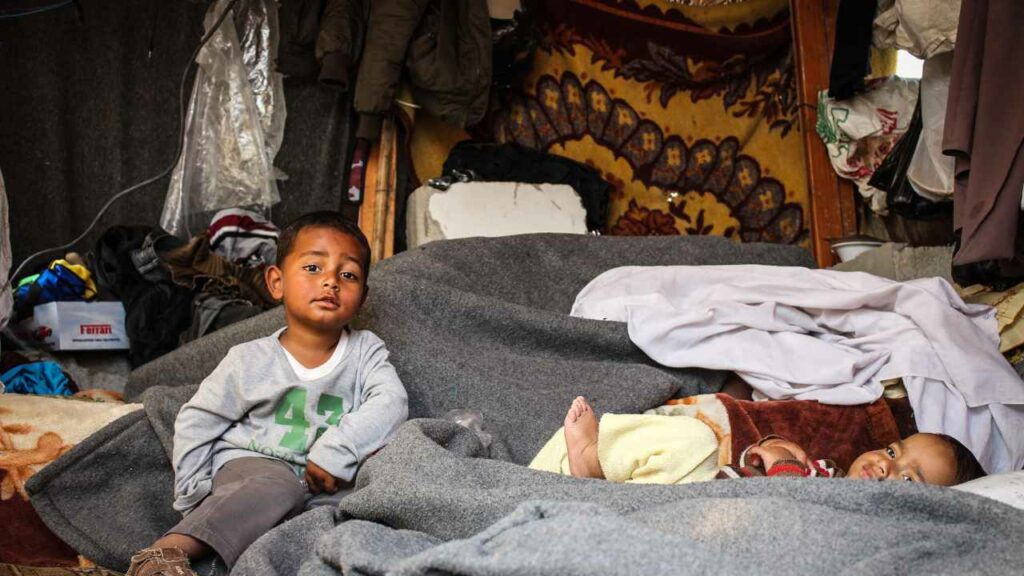
The Israel-Hamas conflict has had a devastating humanitarian impact on both Israelis and Palestinians. The frequent outbreaks of violence have resulted in the loss of countless lives, displacement of families, and destruction of infrastructure.
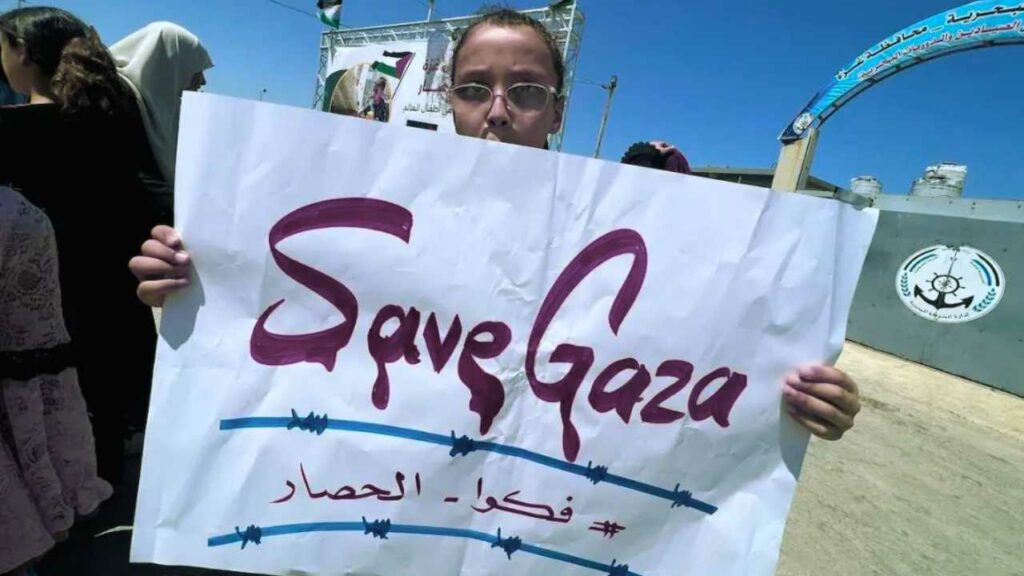
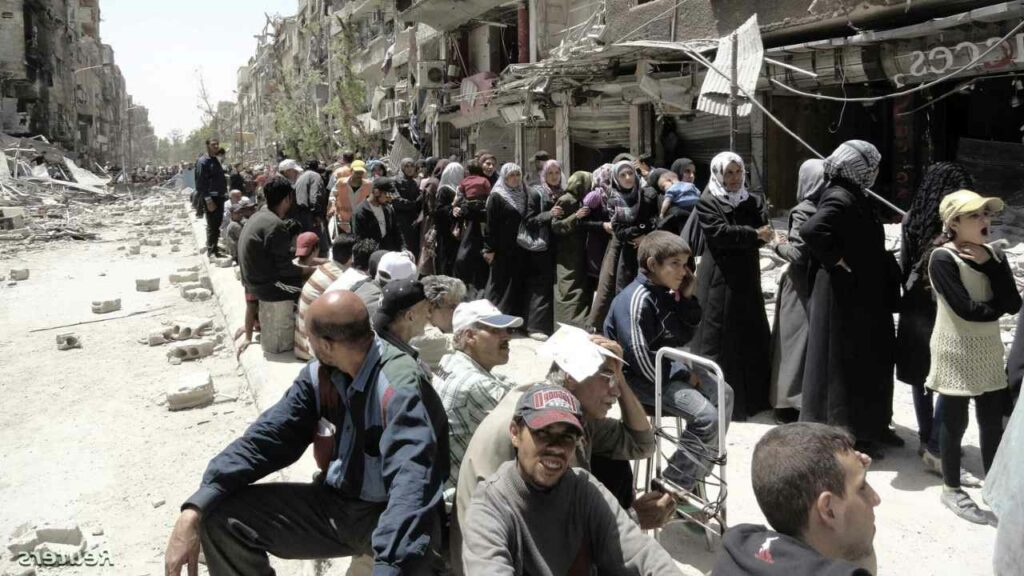
In the Gaza Strip, where Hamas holds control, the population faces dire living conditions due to the Israeli blockade and restrictions on goods and services. The lack of access to basic necessities, such as clean water and medical supplies, has further worsened the humanitarian crisis in the region.
Media Coverage and Propaganda
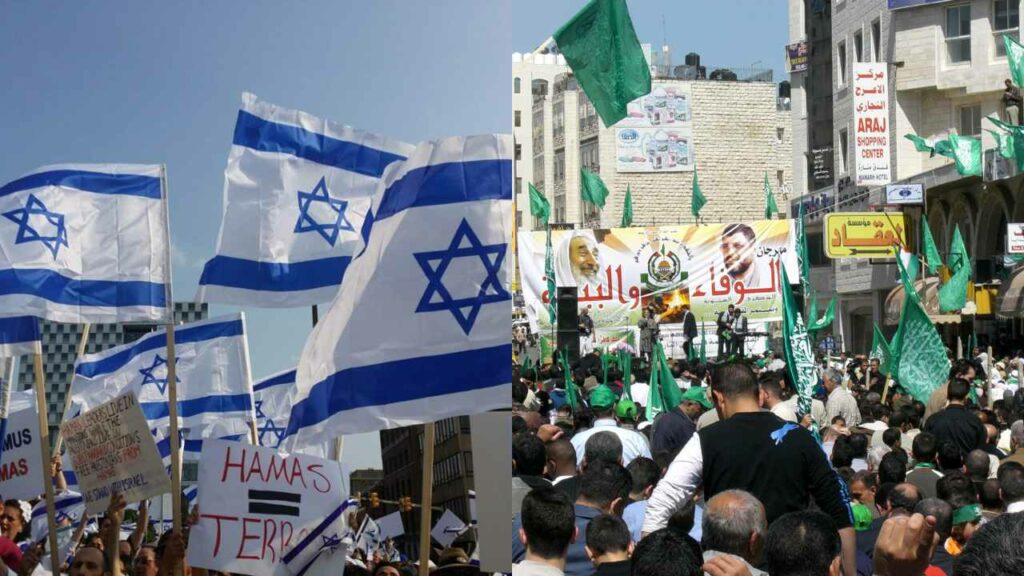
Media coverage of the Israel-Hamas conflict plays a significant role in shaping public opinion and perceptions. Both sides have been accused of using propaganda to advance their narratives and justify their actions.
Critics argue that media bias can hinder a comprehensive understanding of the conflict, as certain perspectives and voices may be marginalized or overlooked. The rise of social media has also amplified the dissemination of information, making it crucial to critically evaluate sources and seek a balanced view.
Potential Solutions and Roadmap to Peace
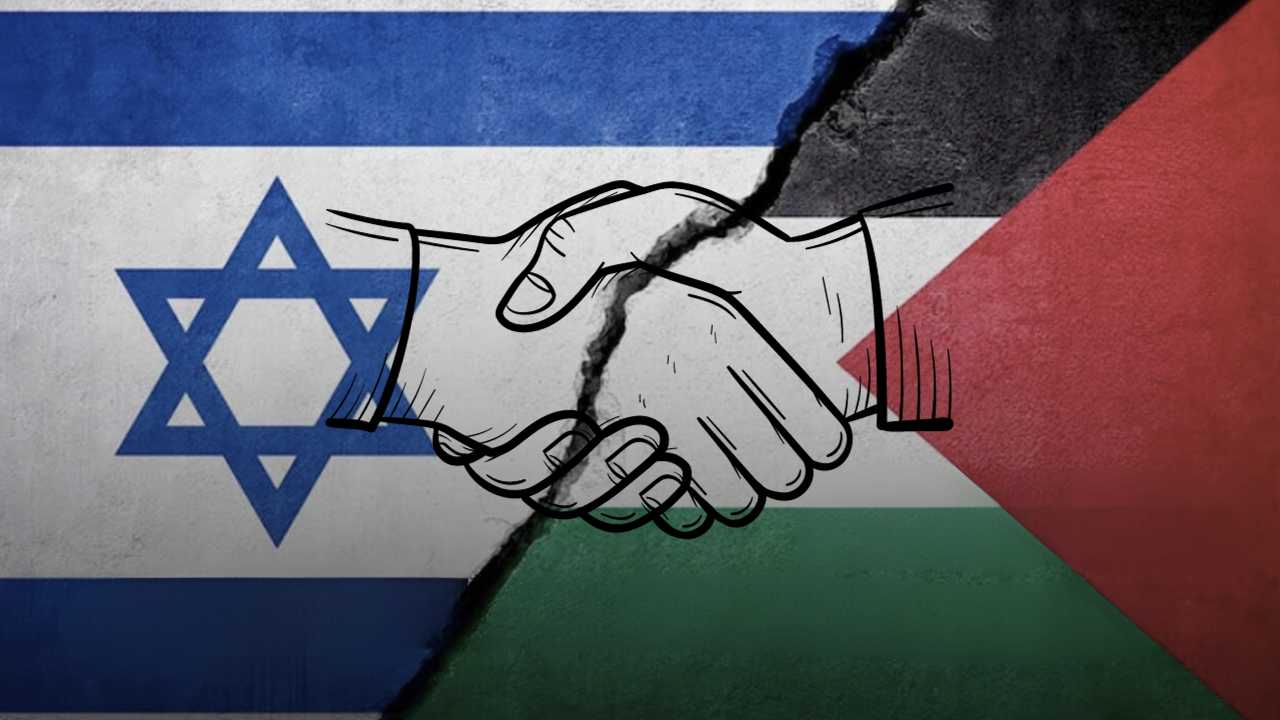
Finding a sustainable solution to the Israel-Hamas conflict is a complex task that requires compromise and political will from both parties. The two-state solution, which envisions the establishment of an independent Palestinian state alongside Israel, has long been proposed as a viable path to peace.
However, achieving this solution requires addressing the core issues at the heart of the conflict, such as borders, settlements, and the status of Jerusalem. It also necessitates fostering trust and cooperation between Israel and Hamas, as well as the support of the international community.
Conclusion and Implications
The Israel-Hamas conflict is a multifaceted and deeply entrenched dispute that continues to impact the lives of millions of people. Understanding the historical background, key players, and causes of the conflict is essential to grasp its complexities fully.
While reaching a resolution may seem elusive, efforts to promote dialogue, peace, and justice must persist. By staying informed and engaging in constructive conversations, individuals can contribute to a more nuanced understanding of the Israel-Hamas conflict and support initiatives that aim to bring about lasting peace in the region..
When discussing the complex and enduring conflict between Israel and Hamas, a question often arises: Can Israel defeat Hamas? This inquiry delves into the heart of Middle Eastern geopolitics, touching on a history of tumultuous relations, military engagements, and ceasefires that have shaped the region. Israel, with its technologically advanced military and the backing of powerful allies, stands as a formidable force. However, the resilience of Hamas, despite international pressures and significant challenges, raises questions about what “defeat” truly means in such a protracted conflict. This article aims to explore the multifaceted aspects of this question, examining the military, political, and humanitarian angles to understand the prospects of a conclusive resolution to the hostilities between Israel and the Gaza-based organization, which many countries, including the United States and members of the European Union, designate as a terrorist group.
Can Israel Defeat Hamas
Historical Context and Background
Understanding the Origins of the Israel-Hamas Conflict
The conflict between Israel and Hamas is a complex and long-standing issue deeply rooted in the broader Arab-Israeli conflict. The origins of the current conflict can be traced back to the establishment of Israel in 1948 and the subsequent Arab-Israeli wars, which led to the displacement of Palestinian people and the occupation of Palestinian territories. Hamas, a Palestinian Sunni-Islamic fundamentalist militant organization, was founded in 1987 during the First Intifada (uprising) as an offshoot of the Muslim Brotherhood. Its charter initially called for the establishment of an Islamic state in the area that includes present-day Israel, the West Bank, and the Gaza Strip.
The Evolution of Hamas’s Role in the Palestinian Territories
Over the years, Hamas has grown from a guerilla movement to a significant political entity within the Palestinian territories, particularly in Gaza. After winning a majority in the 2006 Palestinian legislative elections, Hamas took control of the Gaza Strip in 2007, leading to a political split with the Fatah party, which controls the Palestinian Authority in the West Bank. This division has been a significant factor in the dynamics of the Israeli-Palestinian conflict, with Israel and much of the international community refusing to deal with Hamas until it renounces violence and recognizes Israel’s right to exist.
Previous Conflicts and Ceasefires: Patterns and Outcomes
The history of the conflict is marked by several intense bouts of fighting, such as the Gaza War (2008-2009), the November 2012 clashes, the 2014 Gaza War, and more recently, the 2021 Israel-Gaza crisis. These conflicts have often ended with ceasefires mediated by international actors, but without a resolution to the underlying issues. The patterns observed include a cycle of violence followed by temporary truces, a buildup of military capabilities, and then renewed conflict.
In each of these conflicts, both sides have suffered casualties, with a significant impact on the civilian populations, particularly in Gaza. Despite Israel’s military superiority and effective missile defense system, the Iron Dome, Hamas has continued to pose a challenge through its use of tunnels, rockets, and, more recently, incendiary balloons and kites.
The outcomes of previous conflicts have not led to a decisive military victory for Israel over Hamas. Instead, they have resulted in significant destruction in Gaza, a humanitarian crisis, and international calls for an end to the violence. The repeated patterns of conflict suggest that while Israel has the military capability to inflict significant damage on Hamas, achieving a lasting defeat of the organization is complicated by political, humanitarian, and international legal considerations.
Military Capabilities and Strategies
An Assessment of Israel’s Military Strength and Technological Advancements
Israel has long been recognized as one of the most formidable military powers in the Middle East. With an annual military budget of around $23.6 billion as of 2023, Israel’s military spending surpasses the combined total of Egypt, Iran, Lebanon, and Jordan. The Israel Defense Forces (IDF), established shortly after the state of Israel in 1948, have a tradition of compulsory military service starting at age 18, contributing to a substantial force of approximately 169,500 active-duty personnel and around 465,000 reservists.
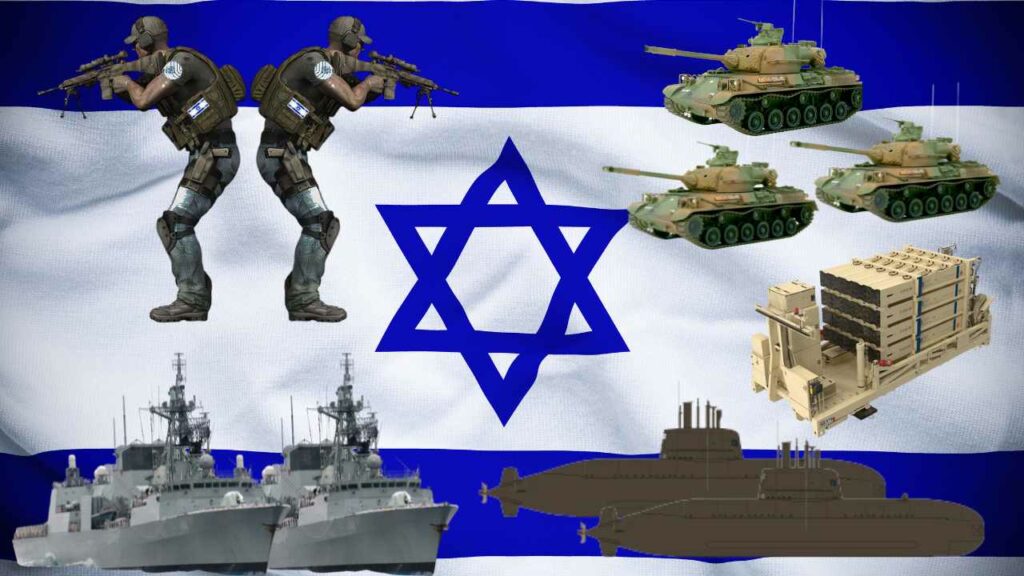
Israel’s military strength is augmented by its possession of sophisticated drones, fighter aircraft, tanks, submarines, and artillery. The nation is believed to have dozens of nuclear warheads, although it has never officially acknowledged them. The IDF’s arsenal includes approximately 2,200 tanks, several dozen surface vessels, around 15 warships, and five Dolphin-class submarines. The drone arsenal comprises advanced models such as the Heron, Hermes, and Skylark series.
The Iron Dome missile defense system, operational since 2011, is a cornerstone of Israel’s defense strategy, using radar technology to intercept and destroy short-range rockets. The U.S. is the primary supplier of military aid to Israel, contributing around $130 billion since its founding, with $3.8 billion in military assistance last fiscal year alone. This support includes advanced military equipment like the F-35 Joint Strike Fighter.
Hamas’s Military Capabilities, Including Their Rocket Arsenal and Tunnel Networks
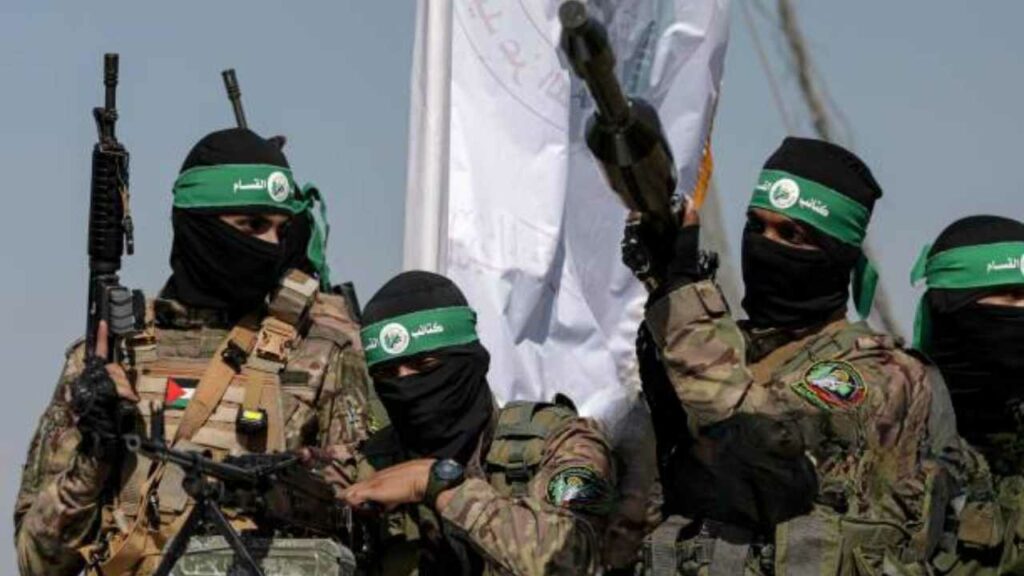
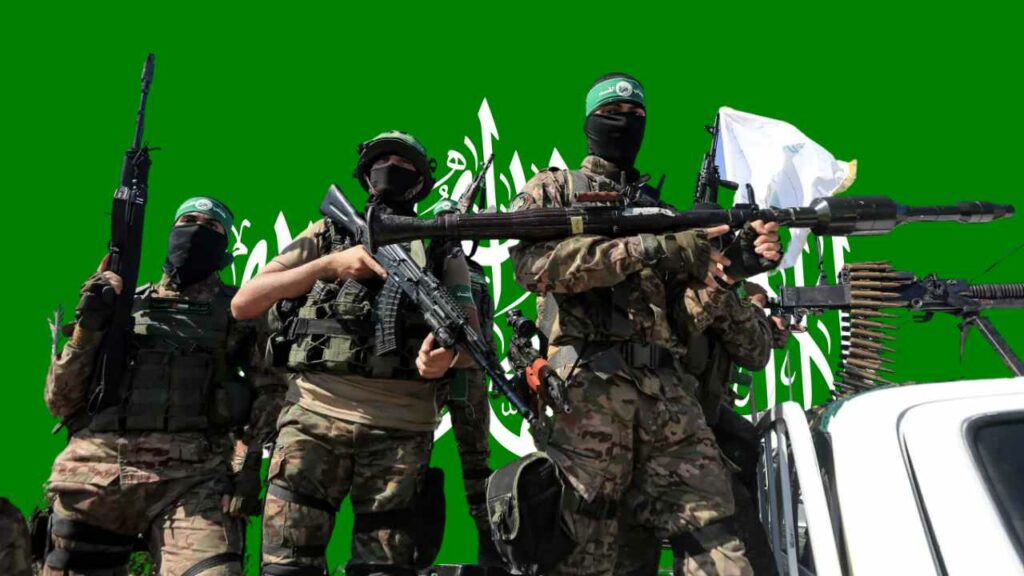
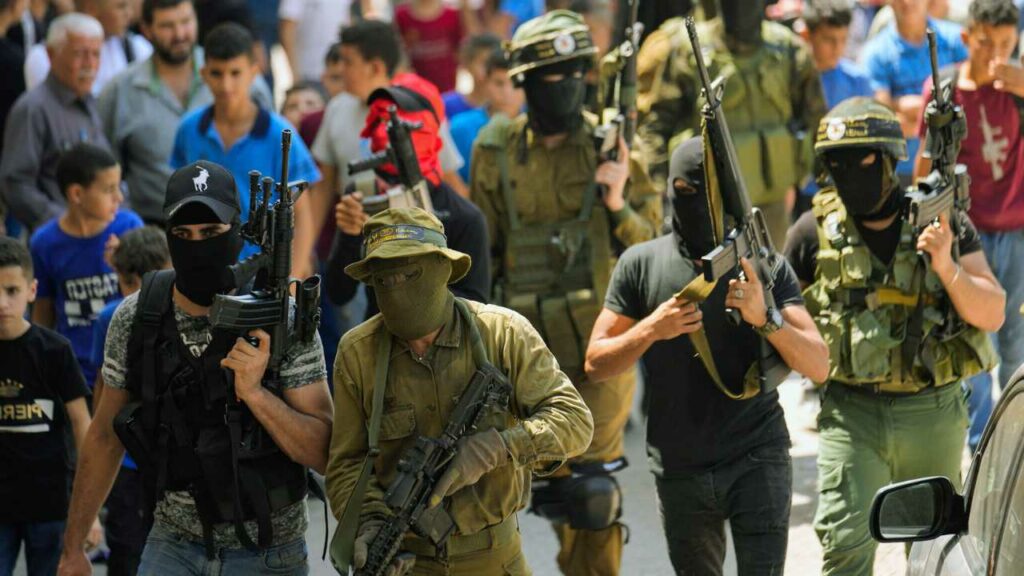
Hamas’s military wing, the Izz ad-Din al-Qassam Brigades, has relied on a guerrilla-warfare strategy for over three decades. This includes the use of rockets, snipers, improvised explosive devices (IEDs), and a network of underground tunnels for attacks against Israel. Despite Israel’s control over the borders and movement in Gaza since 2007, Hamas has maintained its ability to launch rockets into Israeli territory and use tunnels for smuggling and surprise attacks.
The Impact of Regional Alliances and International Military Support
The regional alliances and international military support have significant impacts on the conflict. The U.S.’s unwavering support for Israel ensures that the IDF remains technologically advanced and well-funded. Conversely, Hamas has historically received support from Iran in the form of funding, weapons, and training, which has been a critical factor in maintaining its military capabilities.
The complexity of the military capabilities and strategies of both Israel and Hamas indicates that the conflict is not merely a matter of military might but also of strategy, international relations, and the ability to adapt to changing technologies and tactics.
Political Dynamics and Leadership
The Political Objectives of Israel and Hamas
Israel’s political objectives in the conflict with Hamas are centered around ensuring the security of its citizens and maintaining its sovereignty. Israel seeks to prevent attacks on its territory, particularly rocket fire and border infiltrations, and to deter Hamas from gaining military strength.
Hamas, on the other hand, was established with the aim of resisting Israeli occupation and has called for the establishment of a Palestinian state in place of Israel. Over time, while Hamas’s political stance has included a variety of positions, including periods where it has indicated a willingness for a long-term truce under certain conditions, it has not formally recognized the state of Israel.
The Role of Leadership on Both Sides in Influencing the Conflict
Leadership plays a crucial role in the Israel-Hamas conflict. Israeli leaders have varied in their approach to Hamas, ranging from military engagement to attempts at economic and political isolation of Gaza. Israeli leadership decisions on military operations, settlement policies, and engagement with international peace efforts significantly influence the conflict’s dynamics.
Hamas leadership has also significantly impacted the conflict’s trajectory. The decisions to engage in military confrontations with Israel, the management of Gaza, and the negotiation of ceasefires are all influenced by Hamas’s internal leadership dynamics and its relationship with other Palestinian factions.
The Influence of International Politics, Including the Positions of the UN, the USA, and Other Influential States
International politics play a pivotal role in the Israel-Hamas conflict. The United Nations has repeatedly addressed the conflict, with various resolutions calling for ceasefires, withdrawal of Israeli forces from occupied territories, and respect for international humanitarian law. The UN’s role is often as a mediator and provider of humanitarian aid, especially through agencies like UNRWA (United Nations Relief and Works Agency for Palestine Refugees in the Near East).
The United States has historically been a key ally of Israel, providing extensive military aid and diplomatic support. U.S. leadership has often influenced the conflict’s course, with its positions on peace processes, recognition of Jerusalem as Israel’s capital, and responses to military engagements between Israel and Hamas.
Other influential states, including regional powers like Egypt and Qatar, have played roles as mediators in ceasefires and as conduits for negotiation. European countries, Russia, and China also have stakes in the region’s stability and have variously exerted diplomatic pressure, provided humanitarian aid, or called for peace talks.
The interplay between the political objectives of Israel and Hamas, the decisions made by their respective leaderships, and the influence of international politics creates a complex web that shapes the ongoing conflict. Understanding these dynamics is crucial for any comprehensive analysis of the potential for Israel to defeat Hamas or the prospects for a lasting peace.
Humanitarian Impact and Civilian Perspective
The Toll of the Conflict on Civilian Populations in Both Israel and Gaza
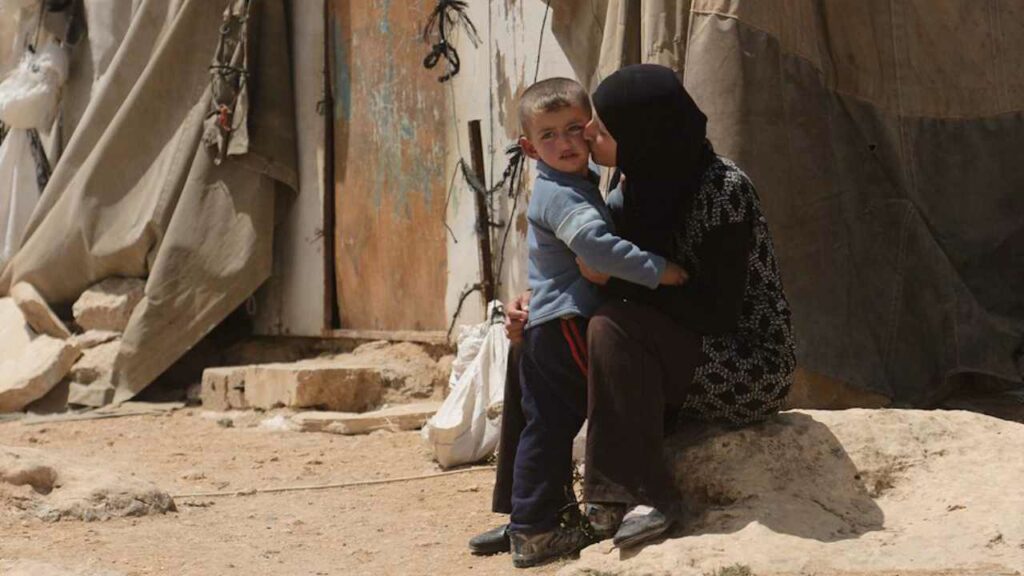
The conflict between Israel and Hamas has had a profound impact on civilian populations, with significant loss of life and injury on both sides, especially Gaza. According to various sources, including government and international organizations, the conflict has resulted in an estimated 1,400 Israelis and more than 6,500 Gazans killed over the years. The repeated cycles of conflict have not only caused immediate casualties but also long-term psychological trauma, especially among children and women. The humanitarian situation in Gaza is particularly dire, with the blockade leading to economic devastation, widespread destruction, and most people being largely cut off from the outside world.
Human Rights Considerations and Reports from International Organizations
Human rights organizations and international bodies have raised concerns about the humanitarian impact of the conflict. Reports from entities like the Council on Foreign Relations and Oxfam International highlight the catastrophic humanitarian crisis in Gaza, exacerbated by the blockade which has been in place for years. The blockade has been criticized for collectively punishing the civilian population, restricting the flow of goods and services, and contributing to a decline in living standards.
The Role of Media in Portraying the Humanitarian Situation
The media plays a crucial role in portraying the humanitarian situation to the global audience. Coverage of the conflict often shapes international perception and can influence the response of the international community. However, the media’s role is complex, with challenges including access to conflict zones, the potential for bias, and the difficulty of conveying the full scope of the humanitarian impact. The portrayal by different media outlets can vary significantly, with some focusing on the political and military aspects of the conflict, while others highlight the human suffering and calls for humanitarian aid.
The humanitarian impact of the Israel-Hamas conflict is a critical aspect that requires careful consideration. The civilian toll, the human rights implications, and the portrayal of these issues in the media are all factors that contribute to the international understanding of the conflict and the response it elicits.
Prospects for Peace and Conflict Resolution
Previous Peace Efforts and Their Successes or Failures
The history of peace efforts between Israel and Hamas is marked by numerous attempts that have seen varying degrees of success and failure. Notable efforts include the Oslo Accords in the 1990s, which established the Palestinian Authority and set a framework for future negotiations, but ultimately failed to resolve the key issues. Subsequent summits and negotiations, such as the Camp David Summit in 2000 and the Annapolis Conference in 2007, also did not lead to lasting peace.
Ceasefires, often brokered by international mediators like Egypt or Qatar, have temporarily halted hostilities but have not addressed the underlying causes of the conflict. These efforts have been criticized for failing to engage with the root causes of the conflict, including security concerns, borders, the status of Jerusalem, Palestinian statehood, and the right of return for Palestinian refugees.
Current Initiatives for Peace and Their Potential for Success
Current initiatives for peace are often overshadowed by the cycle of violence and the lack of trust between the parties. International calls for peace, such as those from the UN High Commissioner for Human Rights, emphasize the need to end violence and seek alternatives to the ongoing conflict. However, the deep-seated issues and mutual distrust make the prospects for successful peace initiatives challenging.
The international community continues to advocate for a two-state solution as the most viable option for lasting peace, but progress is slow. Initiatives that focus on improving the humanitarian situation in Gaza, such as easing the blockade to allow for the flow of goods and services, are seen as steps that could build confidence and pave the way for more substantive peace talks.
Analysis of What a Lasting Resolution Might Look Like and the Obstacles to Achieving It
A lasting resolution would likely involve mutual recognition, security guarantees, a resolution to the refugee issue, defined borders, and the establishment of a sovereign Palestinian state alongside Israel. However, the obstacles to achieving this are significant. They include political divisions within Israeli and Palestinian societies, the role of regional actors, the influence of international politics, and the need for security and recognition of both peoples’ rights and aspirations.
The humanitarian crisis in Gaza, exacerbated by blockades and military operations, presents an immediate challenge that needs to be addressed to create an environment conducive to peace talks. The international community’s role in providing aid, facilitating dialogue, and holding parties accountable to international law is crucial in moving towards a resolution.
The question of whether Israel is committing collective punishment in the current war in Gaza has been a topic of international concern and debate. Various organizations and entities have weighed in on this issue, presenting evidence and arguments to support their perspectives. This article aims to provide a well-thought-out, fact-based, and detailed examination of the topic.
Background:
The term “collective punishment” refers to the punishment of a group for the actions of one or more of its members. This form of punishment is considered a violation of international law, particularly the Fourth Geneva Convention, which prohibits the punishment of an individual or group for an offense they did not personally commit.
Evidence and Perspectives:
United Nations’ Stance:
A group of independent United Nations experts condemned the violence against civilians in Israel and deplored the “collective punishment” of reprisal strikes against Gaza. The UN has consistently emphasized that collective punishment is a violation of international law. Source
Amnesty International’s View:
Amnesty International has called for Israel to lift the “illegal and inhumane blockade on Gaza.” The organization has stated that the collective punishment of civilians in Gaza will not bring justice to the victims of war crimes by Hamas and other armed groups. Source
Statements from Other International Bodies:
The UN has urged Israel to cease its ‘collective punishment’ of the entire population of Gaza. “Collective punishment is a war crime,” warned Shamdasani. Source
During a Security Council meeting, speakers emphasized that civilians in Gaza must not be the target of collective punishment. Source
Reasons Supporting the Claim that Israel is Committing Collective Punishment:
Reprisal Strikes: The UN experts have condemned the reprisal strikes against Gaza, terming them as “collective punishment.”
Blockade on Gaza: Amnesty International has highlighted the blockade on Gaza as a form of collective punishment, which affects the entire civilian population.
Statements from International Bodies: Various international bodies, including the UN, have warned against the collective punishment of the entire population of Gaza.
Violation of International Law: Collective punishment is considered a violation of the Fourth Geneva Convention. The actions taken against the entire population, such as blockades and strikes, can be seen as a form of collective punishment.
Conclusion:
The issue of collective punishment in the current war in Gaza is complex and multifaceted. While there are strong arguments and evidence suggesting that Israel is committing collective punishment, it is essential to approach the topic with an open mind and consider all perspectives. The international community continues to monitor the situation closely, emphasizing the importance of upholding human rights and international law.
The Israel-Palestine conflict, with its deep-rooted historical, political, and religious complexities, has been one of the most protracted and contentious issues in modern history. Achieving a lasting peace requires a multifaceted approach that addresses the core grievances of both sides. Here are some potential steps that could pave the way for a sustainable resolution:
Two-State Solution:
The idea of establishing two separate states for Israelis and Palestinians has been the cornerstone of peace negotiations for decades. This would involve recognizing the state of Israel and a sovereign Palestinian state existing side by side in peace.
Jerusalem as a Shared Capital:
Given the religious significance of Jerusalem to both Jews and Muslims, a potential solution could involve recognizing it as the capital of both Israel and Palestine, with special administrative arrangements to ensure freedom of worship and access to holy sites.
Right of Return and Compensation:
Addressing the Palestinian refugees’ right of return is crucial. While it may be challenging to allow all refugees to return to their original homes, a combination of compensation, resettlement in a future Palestinian state, and limited return to Israel could be explored.
Security Assurances:
Israel’s security concerns, given the history of attacks, need to be addressed. This could involve demilitarizing the Palestinian state, international peacekeeping forces, and mutual defense pacts.
Economic Cooperation:
Economic interdependence can be a significant peace driver. Joint economic zones, shared resources management (like water), and trade agreements can foster cooperation and mutual benefits.
Settlements:
The issue of Israeli settlements in the West Bank is contentious. A potential solution could involve land swaps, where Israel annexes major settlement blocs in exchange for giving Palestine other territories in return.
Education and Cultural Exchange:
Promoting understanding and empathy between Israelis and Palestinians is crucial. This can be achieved through joint educational programs, cultural exchanges, and initiatives that highlight shared histories and values.
International Mediation:
Neutral international mediators, such as the United Nations, European Union, or other third-party countries, can play a pivotal role in facilitating dialogue and negotiations.
Regional Involvement:
Neighbouring countries, especially those like Egypt and Jordan, which have peace treaties with Israel, can play a constructive role in mediating and ensuring regional stability.
Civil Society Engagement:
Grassroots movements and civil society organizations can play a significant role in peacebuilding. Encouraging dialogue and cooperation at the community level can foster trust and understanding.
Addressing Historical Grievances:
Recognizing and addressing past injustices, possibly through truth and reconciliation commissions, can help both sides move forward.
Continuous Dialogue:
Even after a peace agreement, continuous dialogue is essential to address emerging issues and prevent the resurgence of hostilities.
In conclusion, achieving lasting peace between Israel and Palestine requires a holistic approach that addresses the multifaceted complexities of the conflict. While the road to peace is challenging, with mutual respect, understanding, and the international community’s support, a sustainable resolution is attainable.
The 2023 Israel–Hamas war, also referred to by some as the “Sukkot War”, is a significant escalation in the longstanding Israeli-Palestinian conflict. The war began on 7 October 2023 with a coordinated surprise offensive by Palestinian militant groups led by Hamas against Israel. Here’s a detailed breakdown of the events leading up to and during the war:
Origins of the Conflict:
The conflict between Israel and Palestinian groups, especially Hamas, has deep historical roots. The Gaza Strip and Israel have been in conflict since the Israeli withdrawal from Gaza in 2005, followed by Hamas’s victory in the 2006 Palestinian legislative elections and its subsequent takeover of Gaza in 2007. This led to an extensive blockade of the Gaza Strip by both Israel and Egypt. The blockade, which Israel defends as a necessary measure against “terrorism”, has been criticized by international rights groups as collective punishment.
Immediate Precursors to the War:
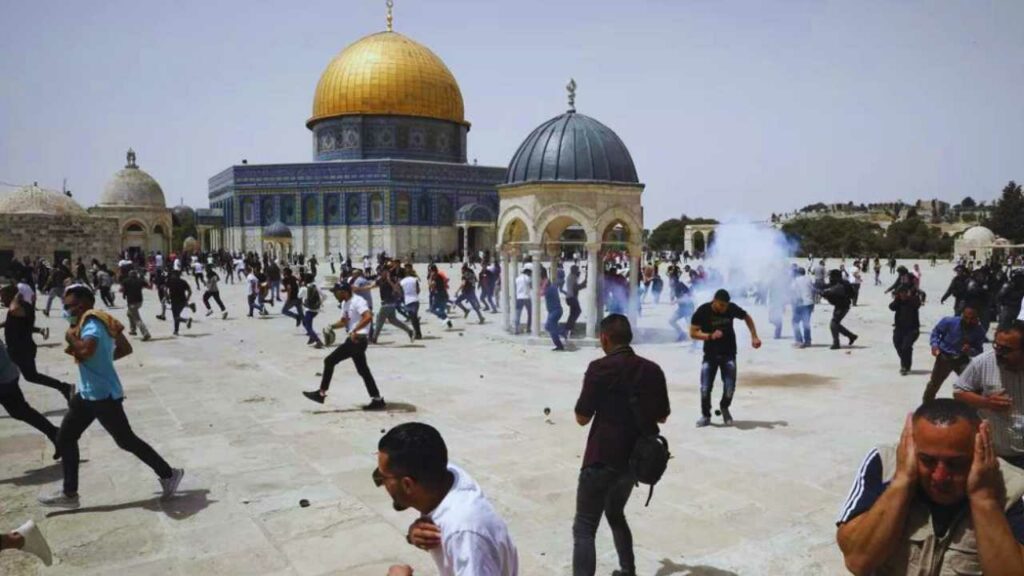
Several events in 2023 heightened tensions between Israel and Hamas. There were violent clashes around the Al-Aqsa Mosque, a significant religious site in Jerusalem, and an increase in settler attacks that displaced many Palestinians. In September 2023, Israel discovered explosives in a shipment of jeans from Gaza, leading to heightened tensions. Days before the major attack, Egypt reportedly warned Israel of an impending “explosion” of the situation.
The Outbreak of War:
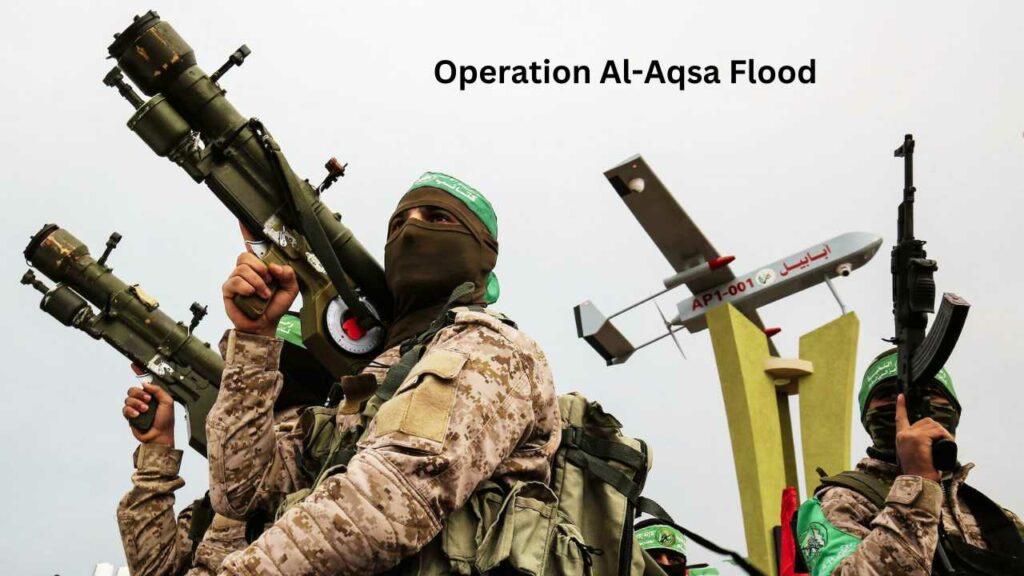
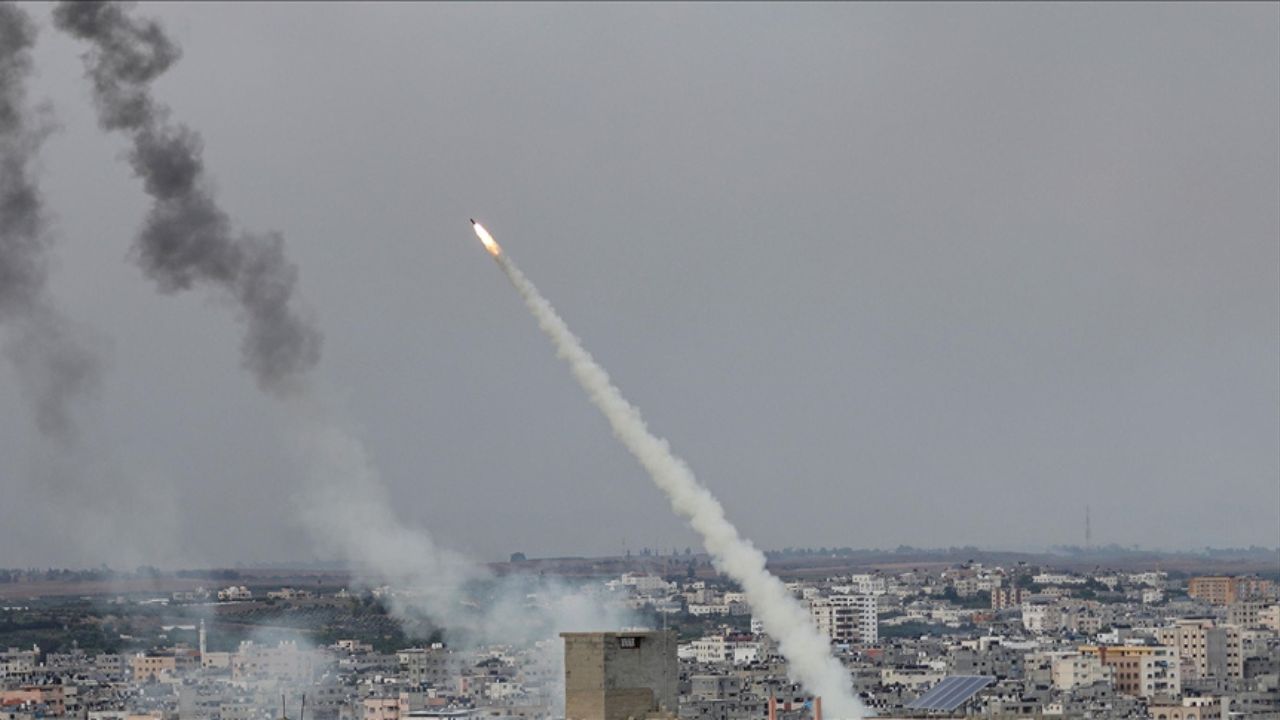
On 7 October 2023, Hamas launched what it termed “Operation Al-Aqsa Flood”, firing over 5,000 rockets into Israel from the Gaza Strip within a 20-minute span. Simultaneously, around 2,500 Palestinian militants infiltrated Israel, attacking military bases and massacring civilians in neighboring Israeli communities. The most devastating of these was the massacre of 260 people at an outdoor music festival near Re’im. Israel responded with retaliatory strikes and formally declared war on Hamas the following day.
Hamas cited several reasons for their attacks, including the blockade on Gaza, continued Israeli settlements, settler violence, the desecration of the Al-Aqsa Mosque, and restrictions on movement between Israel and Gaza.
International Response:
The international community had varied reactions. At least 44 countries denounced Hamas’s actions as terrorism. However, many Middle Eastern countries pointed to Israel’s longstanding occupation of Palestinian territories as the root cause of the conflict. The United Nations and numerous countries called for an immediate ceasefire, and human rights groups expressed concerns about potential war crimes committed by both sides.
Conclusion:
The 2023 Israel–Hamas war is a tragic escalation in a conflict with deep historical roots. As the war continues, the international community grapples with how to respond and mediate a resolution that addresses the longstanding grievances of both sides.
Both Jews and Arabs claim historical ties to the region known today as Israel and the Palestinian territories. Jews trace their roots back to the biblical kingdoms of David and Solomon, while Palestinians trace their lineage to the Canaanites and other ancient peoples.
Religious Significance:
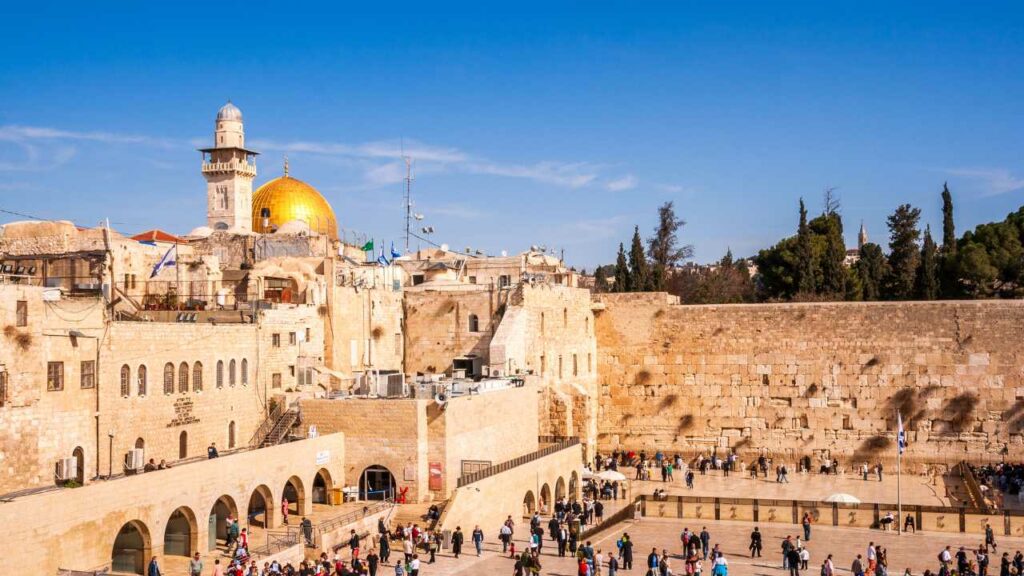
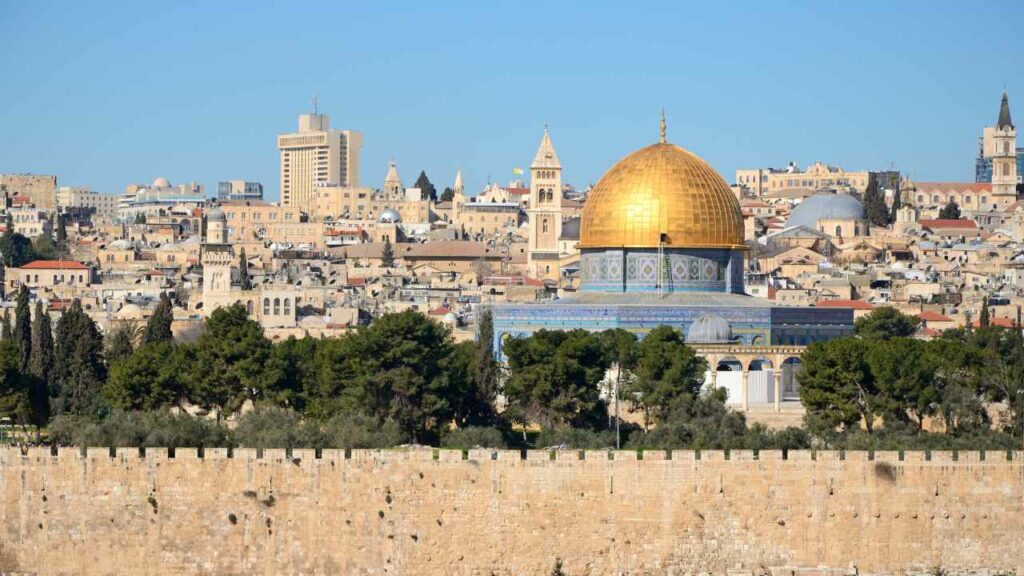
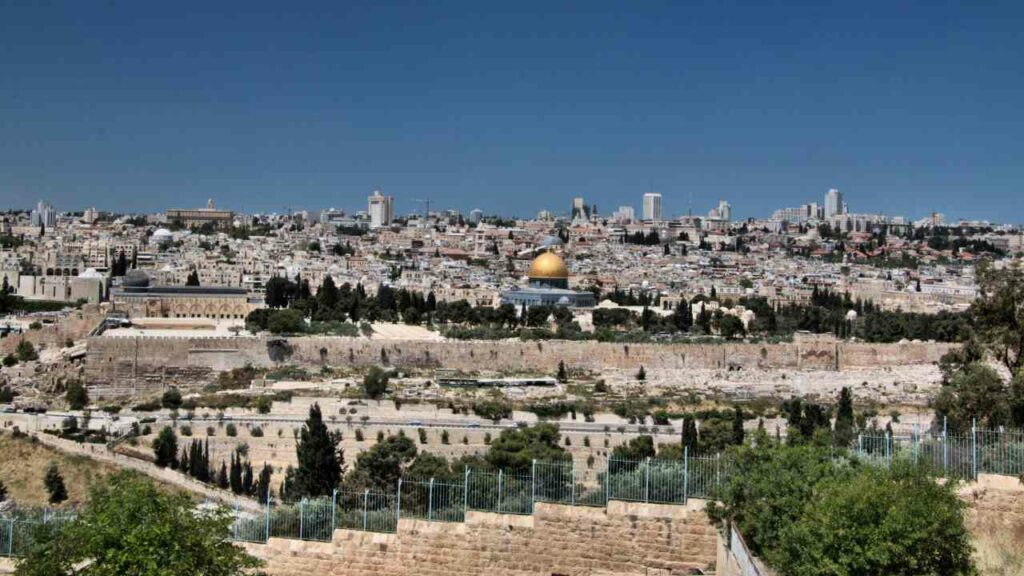
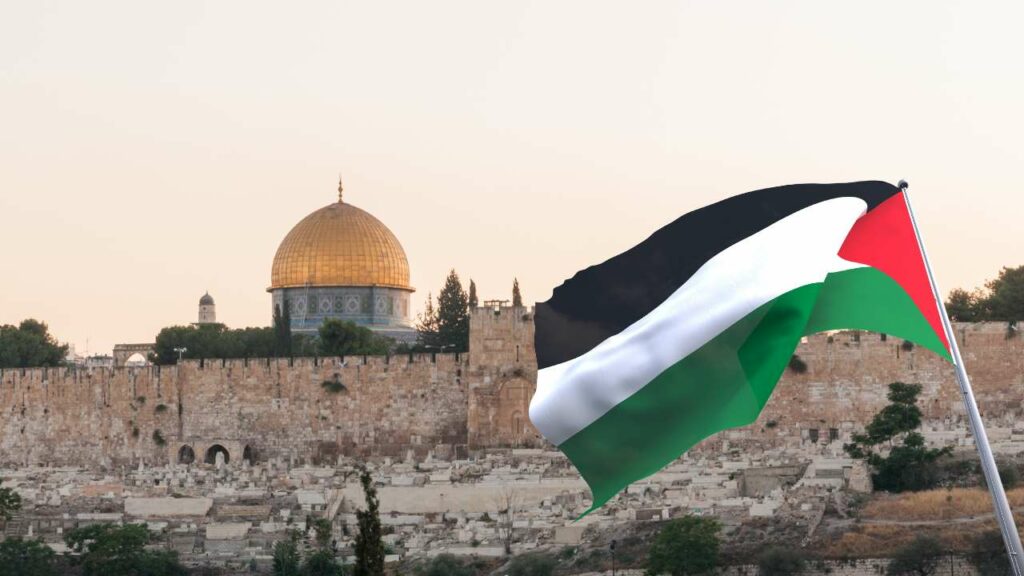
Jerusalem, a city within the region, holds immense religious significance for Jews, Muslims, and Christians. The Western Wall, Al-Aqsa Mosque, and the Church of the Holy Sepulchre are all located here, making the city a focal point of the conflict.
Zionist Movement:
In the late 19th and early 20th centuries, the Zionist movement sought to establish a national homeland for Jews in Palestine. This led to increased Jewish immigration to the region.
British Mandate:
After World War I, the League of Nations granted Britain the mandate to govern Palestine. The Balfour Declaration, issued by Britain in 1917, supported the establishment of a “national home for the Jewish people” in Palestine, leading to tensions between Jews and Arabs.
UN Partition Plan:
In 1947, the United Nations proposed a plan to partition Palestine into separate Jewish and Arab states, with Jerusalem under international administration. The Jewish leadership accepted the plan, but the Arab leadership did not.
Creation of Israel:
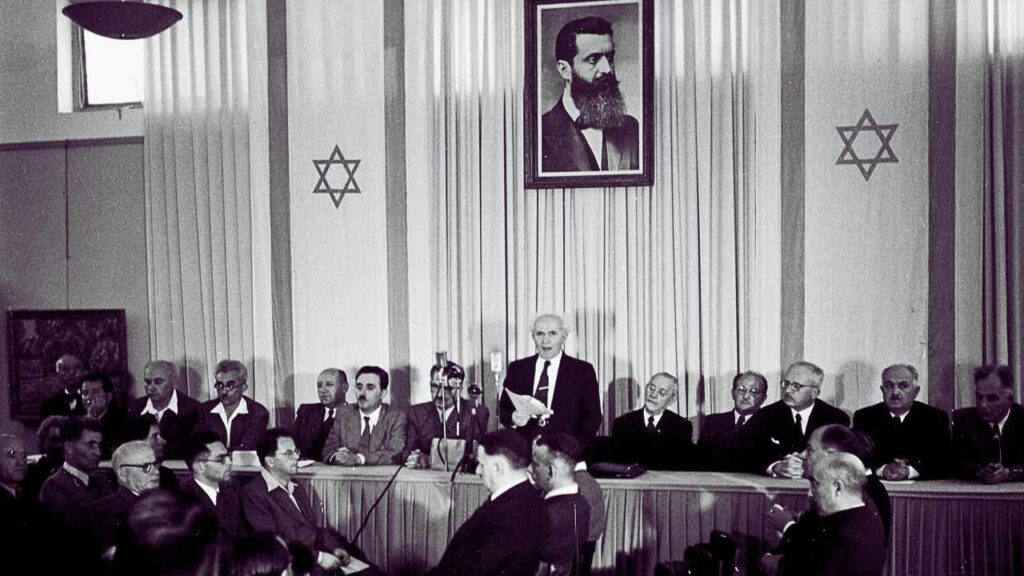
In 1948, the State of Israel was declared. This led to the first Arab-Israeli war, with neighboring Arab states invading Israel. The war ended with armistice lines, often referred to as the Green Line.
Territorial Disputes:
Wars in 1956, 1967, 1973, and other skirmishes led to changes in territorial control, with Israel capturing areas like the West Bank, Gaza Strip, and East Jerusalem. These territories are still points of contention today.
Palestinian Refugees:
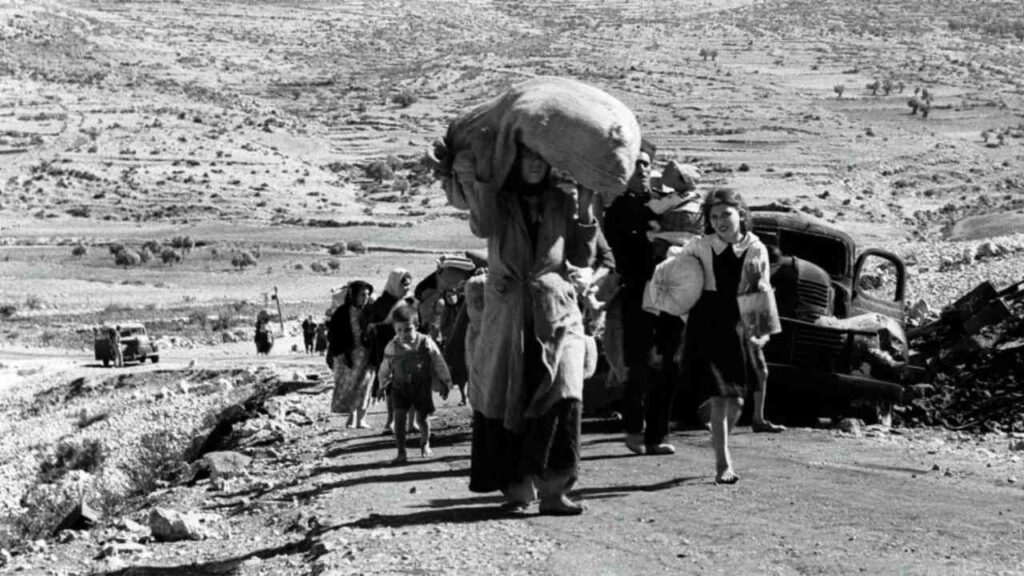
The wars led to the displacement of a large number of Palestinians, who became refugees. The right of return for these refugees is a major point of dispute.
Settlements:
Israel’s establishment of settlements in the West Bank and East Jerusalem is seen by Palestinians as an occupation of their land and is considered illegal under international law, though Israel disputes this.
Security Concerns:
Due to historical conflicts, both sides have deep-seated security concerns. Israel cites the need to protect its citizens from attacks, while Palestinians seek protection from Israeli military actions.
Both Israelis and Palestinians have deep historical ties to the region. Israel’s creation in 1948 provided a haven for Jews, while Palestinians view it as the Nakba, or catastrophe, leading to their displacement.
Jerusalem’s Significance:
Jerusalem holds religious importance for Jews, Muslims, and Christians. The status of the city, especially East Jerusalem, remains a contentious issue.
Refugee Crisis:
The 1948 war led to the displacement of around 700,000 Palestinians. The right of return for these refugees and their descendants remains a major point of dispute.
Territorial Wars:
Wars in 1967 and 1973 resulted in Israel capturing territories like the West Bank and Gaza Strip. The status of these territories is still debated.
Settlements:
Israel’s establishment of settlements in the West Bank is considered illegal under international law by most countries. Their expansion remains a contentious issue.
Peace Efforts:
Various peace initiatives, like the Oslo Accords and the Camp David summit, have been attempted but have not resulted in a lasting solution.
Two-State Solution:
The vision of a Palestinian state alongside Israel is supported by many but has challenges, including Hamas’s rejection of Israel’s right to exist.
U.S. Policy Shifts:
The U.S. policy has seen changes, with the Trump administration not endorsing the two-state solution and recognizing Jerusalem as Israel’s capital.
Regional Dynamics:
The broader Middle East dynamics, including relations between Israel and Arab states, play a role in the conflict.
Recent Conflicts:
The surprise attack by Hamas in 2023 is the latest in a series of confrontations, highlighting the volatile nature of the situation.
Hamas cited the attack as retribution for what they described as attacks on women, the desecration of the al-Aqsa mosque in Jerusalem, and the ongoing siege of Gaza.
2. Shaking the Status Quo:
The attack aimed to disrupt the prevailing status quo, where Israel maintains a tight siege on Gaza, and the vision of an independent Palestinian state remains distant.
3. Regional Dynamics:
The attack may have been an attempt to bring the Palestinian issue back to the regional and international forefront, especially with the rise of Saudi-Israel normalization talks.
4. Showcasing Military Capabilities:
The scale and tactics of the attack were a clear demonstration of Hamas’s military capabilities, signaling to Israel and the world that they should be taken more seriously.
5. Political Messaging:
The attack served as a political message to Palestinians, contrasting Hamas’s aggressive stance with the Palestinian Authority’s more passive approach.
6. Propaganda and Perception:
Hamas’s use of propaganda videos and bodycams aimed to instill fear among the Israeli public and showcase their operations, serving both international and domestic audiences.
7. Hostage Strategy:
The abduction of a significant number of hostages, including civilians, indicated that Hamas was aiming for more than just a prisoner swap, seeking longer-term political implications.
8. Existential Warfare:
The large-scale offensive suggested that Hamas viewed the upcoming confrontations as potentially existential, preparing for an all-out war.
9. Regional Backing:
Speculations arose that Hamas might have been promised regional support by its allies if a full-scale conflict ensued.
10. Multi-Front Strategy:
Hamas’s strategy was based on a multi-front conflict, leveraging support from Gaza, Jerusalem, the West Bank, Arab citizens of Israel, and potentially southern Lebanon.
Hamas executed a careful campaign of deception, ensuring Israel was unprepared for the assault. They portrayed an image of being uninterested in military confrontations while secretly preparing for a massive operation.
2. Misreading Signals:
Israel misinterpreted Hamas’s military drills as mere posturing. Even when Hamas constructed a mock Israeli settlement in Gaza for training, Israel believed it was just for show.
3. Economic Distractions:
Israel believed that by providing economic incentives to Gazan workers, they were containing a war-weary Hamas. This misconception led them to think that Hamas was more focused on the economy than on military operations.
4. Communication Failures:
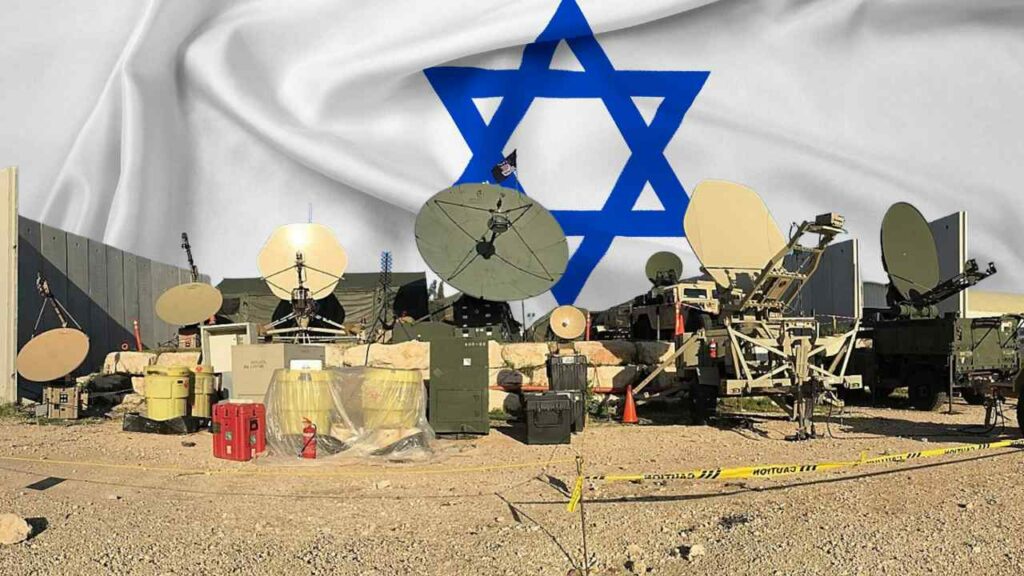
On the day of the attack, Hamas disrupted Israeli military communication stations, preventing personnel from coordinating or calling for backup.
5. Underestimation of Hamas’s Capabilities:
Israel underestimated the extent of Hamas’s planning and capabilities, leading to a severe breach in their defenses.
6. Overconfidence in Intelligence:
Israel’s confidence in its intelligence capabilities made it complacent, missing out on crucial signs of an impending attack.
7. Distraction from Other Threats:
Israel’s focus on other potential threats, like violence in the West Bank, led to a reduced military presence near Gaza, which Hamas exploited.
8. Failure to Anticipate the Scale:
While there might have been some warnings, neither Israel nor other Western intelligence agencies anticipated the scale and complexity of the Hamas attack.
9. Public Mockery:
Hamas’s restraint from military operations against Israel in the past led to public criticism, further convincing Israel that Hamas was not interested in a confrontation.
10. Overreliance on Economic Incentives:
Israel believed that by allowing Gazans to work in Israel and bring money into Gaza, they were ensuring peace. This turned out to be a grave miscalculation.